
Trek Langtang Gosaikunda 12-Day Package (2026/2027)

Find the Langtang Gosaikunda Trek itinerary, including per-person costs for 2026 and 2027, route maps, details on who the trek is right for, and essential pre-trek information.
The Langtang Gosaikunda Trek combines two popular trails inside Langtang National Park: the Langtang Valley Trail and the Gosaikunda Trail. The Langtang Valley Trek is popular among international trekkers seeking beautiful mountain and valley views, moderate difficulty, and a short duration (typically 7 to 8 days). The Gosaikunda Trek is popular among Hindu and Buddhist pilgrims, as Gosaikunda Lake is considered one of the most sacred lakes in the region.
Previously, most international trekkers only completed the Langtang trek. However, the combined trek is becoming increasingly popular today. It allows trekkers to explore the mesmerizing Langtang Valley, feel the energy of the sacred Gosaikunda Lake, discover the diverse biodiversity and unique topography of the national park, and experience two of the region’s most popular trails at once.
The standard Langtang Gosaikunda trek features a 12-day itinerary, which includes 10 days of actual trekking and two days for driving to and from Kathmandu. This 12-day option ensures proper acclimatization before reaching higher altitudes and allows for a comfortable walking pace without rushing or exhausting your legs.
The trek is considered moderately difficult because the daily walking distances are manageable and it lacks the challenging ascents found on the Everest, Annapurna or Nar Phu treks. The journey involves trekking through lush temperate forests, beautiful sub-alpine meadows, and up to the chilly, snow-covered alpine heights of Tserko Ri (or Kyanjin Ri) and Gosaikunda Lake.
The total trek distance is 101 kilometers (62.75 miles), with an average walking distance of 10 kilometers (6.21 miles) per day. The highest altitude reached on the trek is 4,984 meters (16,351 feet) at Tserko Ri, or 4,773 meters (15,659 feet) at Kyanjin Ri. The sacred Gosaikunda Lake sits at an altitude of 4,380 meters (14,370 feet).
If you are interested in extending this trek by an additional four to five days, you can easily combine it with the Helambu Trek or the Tamang Heritage Trail.
Trek Langtang is a local, responsible trekking company in Nepal. We specialize in trekking within the Langtang region, including the Langtang Valley, Gosaikunda, Helambu, and the Tamang Heritage Trail, and are confident in providing our trekkers with the best possible service in Langtang.
Table of Contents
Langtang Gosaikunda Trek Cost (8 day)
The table below breaks down the per-person cost for the Langtang Trek based on group size.
USD 550 / person
| No. of people | Price per person |
|---|---|
| 1 Pax | USD 899 |
| 2 Pax | USD 599 |
| 3 to 5 Pax | USD 550 |
| 6 to 9 Pax | USD 475 |
| 9 to 12 Pax | USD 440 |
Speak to An Expert

Cost Includes and Excludes
Cost Includes
- Local tourist bus transfer Kathmandu to Syabrubesi
- Local tourist bus transfer Dhunche to Kathmandu
- Accommodation in Twin-sharing Basis in Mountain Lodges
- Local English-Speaking Guide for 12 days
- Langtang National Park Permit
- Trekking Map, Sun Hat, Duffel Bag
- Trip completion certificate
- Medical supplies (first aid kit will be available)
- Government Taxes
Cost Excludes
- Porter service for 12 days (optional – extra USD 260 per porter). One Porter can carry 2 trekkers load (20 kg)
- Meals (breakfast, lunch, and dinner) during the trek – around USD 15 Per Day Per Person
- Personal Expenses and Travel insurance, including high-altitude emergency evacuation coverage
- Tips for trekking staff and driver
- Hot showers, Wi-Fi usage, and battery charging
- International Payment Bank Charges
- Any expenses not mentioned in the Includes section
Why Our Trekking Packages Exclude Meals?
We (Trek Langtang) do not include meals in our standard trekking packages. This approach gives our trekkers full control over their daily food choices during the Langtang Gosaikunda Trek. Fixed meal plans restrict trekkers to preset menus, while a meals‑not‑included system allows them to order based on appetite and pay teahouse owners directly. This method supports local lodge operators and reduces food waste.
Policy Benefits and Logistics
- Dietary Flexibility: Trekkers choose meals according to daily appetite and how their digestion responds to altitude changes.
- Direct Local Support: Payments go straight to families operating teahouses, supporting the transport of food supplies by porters and mules.
- Cost Transparency: Payments go straight to families operating teahouses, supporting the transport of food supplies by porters and mules.
- Elevation‑based pricing: Food costs increase at higher locations because transporting ingredients to elevated stops requires more resources.
Reserve Your Langtang Trek
Langtang Gosaikunda Trek Itinerary Overview
The Langtang Gosaikunda trek itinerary starts with a drive from Kathmandu (1,400 meters/4,593 feet) to Syabrubesi (1,460 meters/4,790 feet). You will first trek to the Langtang Valley and reach a small, popular Buddhist village named Kyanjin Gompa on Day 4, which lies at an altitude of 3,830 meters. On Day 5, you will hike to the highest point of the trek, Kyanjin Ri (4,773 meters/15,659 feet) or Tserko Ri (4,984 meters/16,351 feet), and then return to Kyanjin Gompa.
After that, you will return using the same route on Day 6 to the Lama Hotel, located at an altitude of 2,470 meters (8,103 feet). From there, after a short descent, you will again start ascending to the sacred lake of Gosaikunda (4,380 m/14,370 ft), which you will reach on Day 9. By Day 11, you will have descended back to Dhunche at 2,030 meters (6,660 feet). On Day 12, you will return to Kathmandu.
The table below summarizes the whole Langtang Gosaikunda Trek. If you are interested in knowing more about the trail, you can check the detailed descriptive itinerary below.
| Day | Activity | Route (Start to End) | Elevation (Altitude) |
|---|---|---|---|
| 1 | Drive | Kathmandu to Syabrubesi | Syabrubesi – approx. 1,460 m / 4,790 ft |
| 2 | Trek | Syabrubesi to Sherpagaon | Sherpagaon – approx. 2,560 m / 8,399 ft |
| 3 | Trek | Sherpagaon to Thangshyap | Thangshyap – approx. 3,140 m / 10,301 ft |
| 4 | Trek | Thangshyap to Kyanjin Gompa | Kyanjin Gompa – approx. 3,830 m / 12,565 ft |
| 5 | Hike and Return | Kyanjin Gompa to Kyanjin Ri / Tserko Ri | Kyanjin Ri 4,773 m (15,659 ft) / Tserko Ri 4,984 m (16,351 ft) (max point) |
| 6 | Trek (descent) | Kyanjin Gompa to Lama Hotel | Lama Hotel – approx. 2,470 m / 8,103 ft |
| 7 | Trek | Lama Hotel to Thulo Syabru | Thulo Syabru– approx. 2,210 m / 7,250 f |
| 8 | Trek | Thulo Syabru to Singh Gompa | Singh Gompa– approx. 3,300 m / 10,925 ft |
| 9 | Trek | Singh Gompa to Gosaikunda Lake | Gosaikunda Lake – approx. 4,380 m / 14,370 ft |
| 10 | Trek | Gosaikunda Lake to Singh Gompa | Singh Gompa– approx. 3,300 m / 10,925 ft |
| 11 | Trek | Singh Gompa to Dhunche | Dhunche – approx. 2,030 meters / 6,660 feet |
| 12 | Drive | Dhunceh to Kathmandu | Kathmandu – approx. 1,400 meters / 4,593 feet |
What Makes Our (Trek Langtang) Itinerary Better?
As our name suggests, Trek Langtang is a Langtang-first company. This means we possess deep, local knowledge of every trail, ridge, and hidden corner of the Langtang National Park. We maintain close, personal relationships with the teahouse owners in every village, ensuring our guests receive the warmest hospitality and the best available service.
While many generic trek agencies also offer a standard 12-day itinerary, we have improved our route. We have chosen different trails and villages that offer open, better views and higher-quality accommodations, ensuring your experience is both scenic and comfortable rather than just a “standard” trek.
If you feel 12-day itinerary pace might be too demanding, or if you simply wish for more time to soak in the scenery, we can extend this itinerary to 14 or 15 days. This relaxed pace is particularly recommended if you are traveling with children, trekking for the first time, not used to walking long distances, or are a senior trekker, ensuring a comfortable and enjoyable experience for everyone.
Grab the Quick-Ref Guide: We’ve prepared a 12-Day Langtang Gosaikunda Trek Cost and Itinerary Summary in a handy Google Doc. Feel free to download, save a copy, and share it with your friends. You can access the itinerary and cost breakdown instantly without having to scroll through this entire trek guide again.
Langtang Gosaikunda Trek Gallery
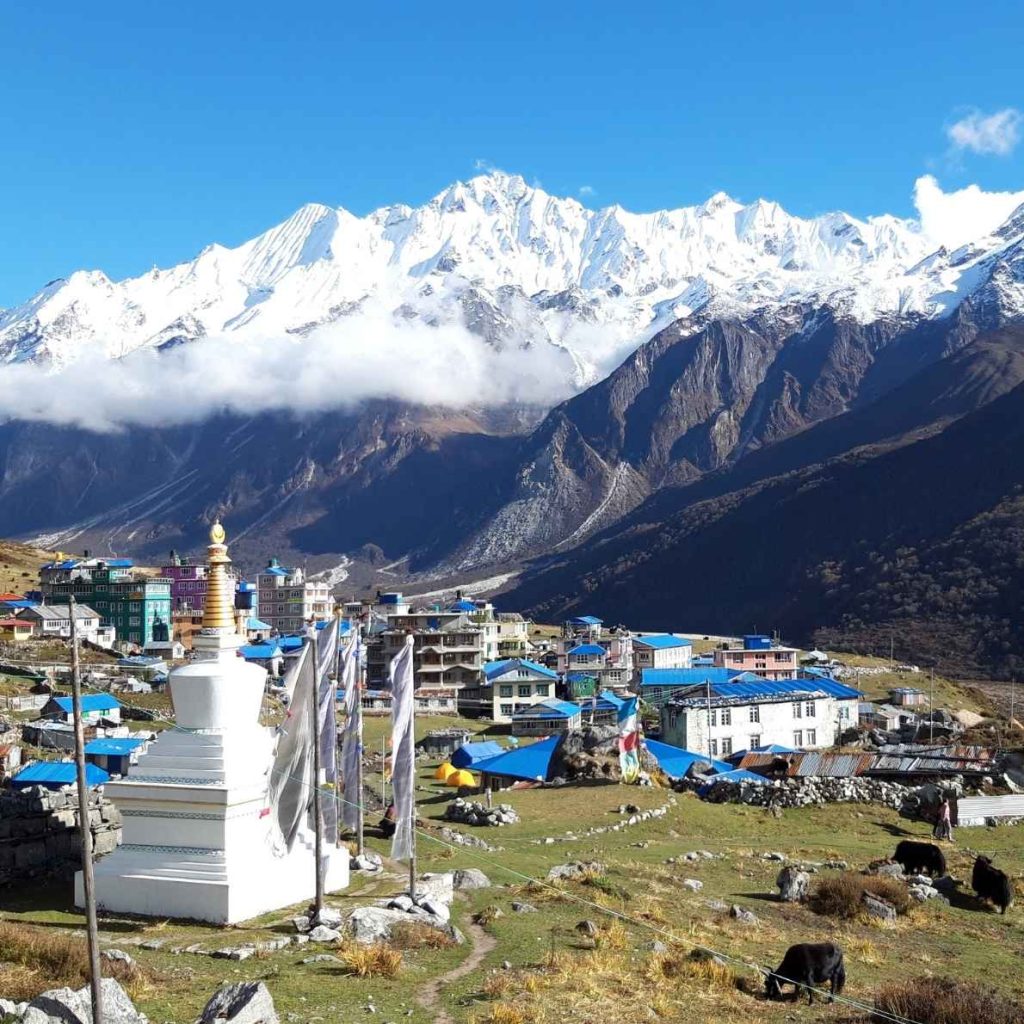
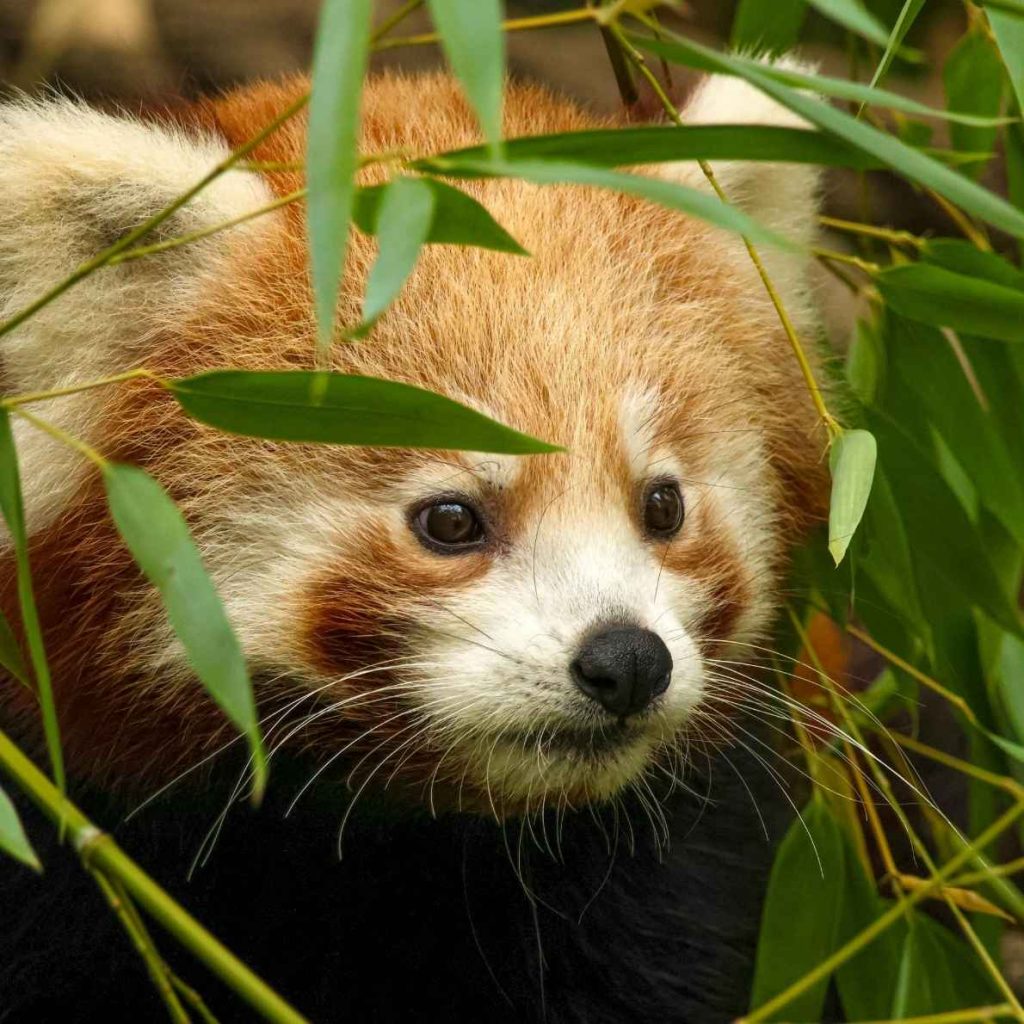
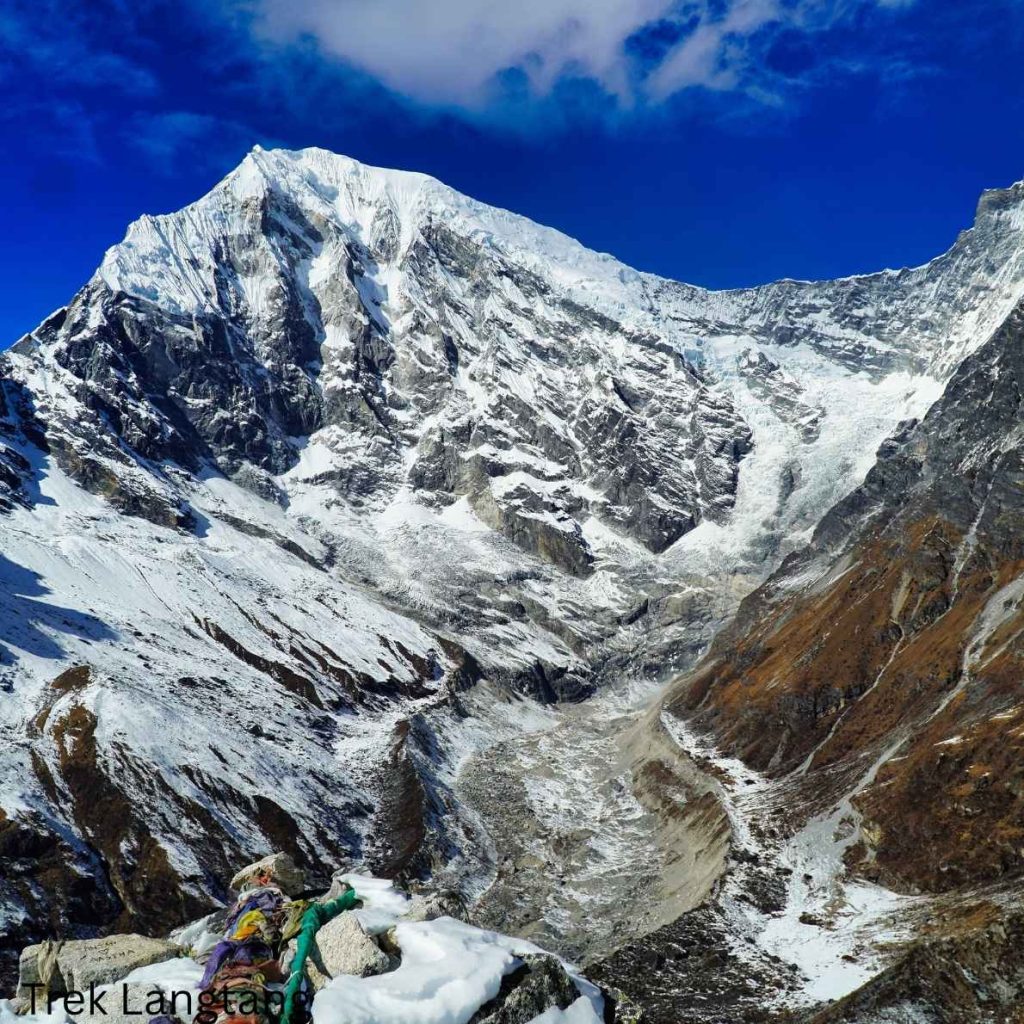
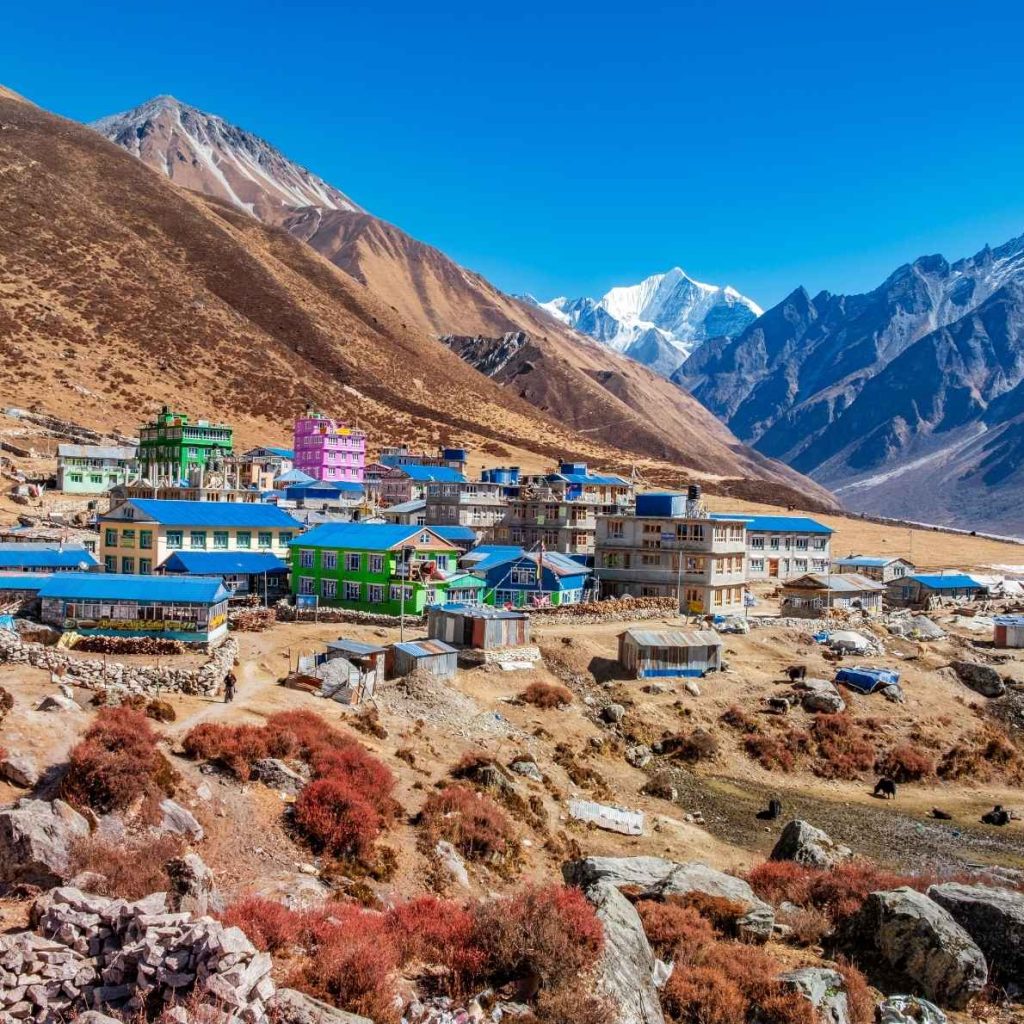
We have compiled six stunning photos from Langtang Valley and Gosaikunda to help you visualize what your trek will be like. You will trek through lush jungles, green alpine meadows, small Himalayan villages, glaciers, rocky terrain, and the sacred Gosaikunda Lake.

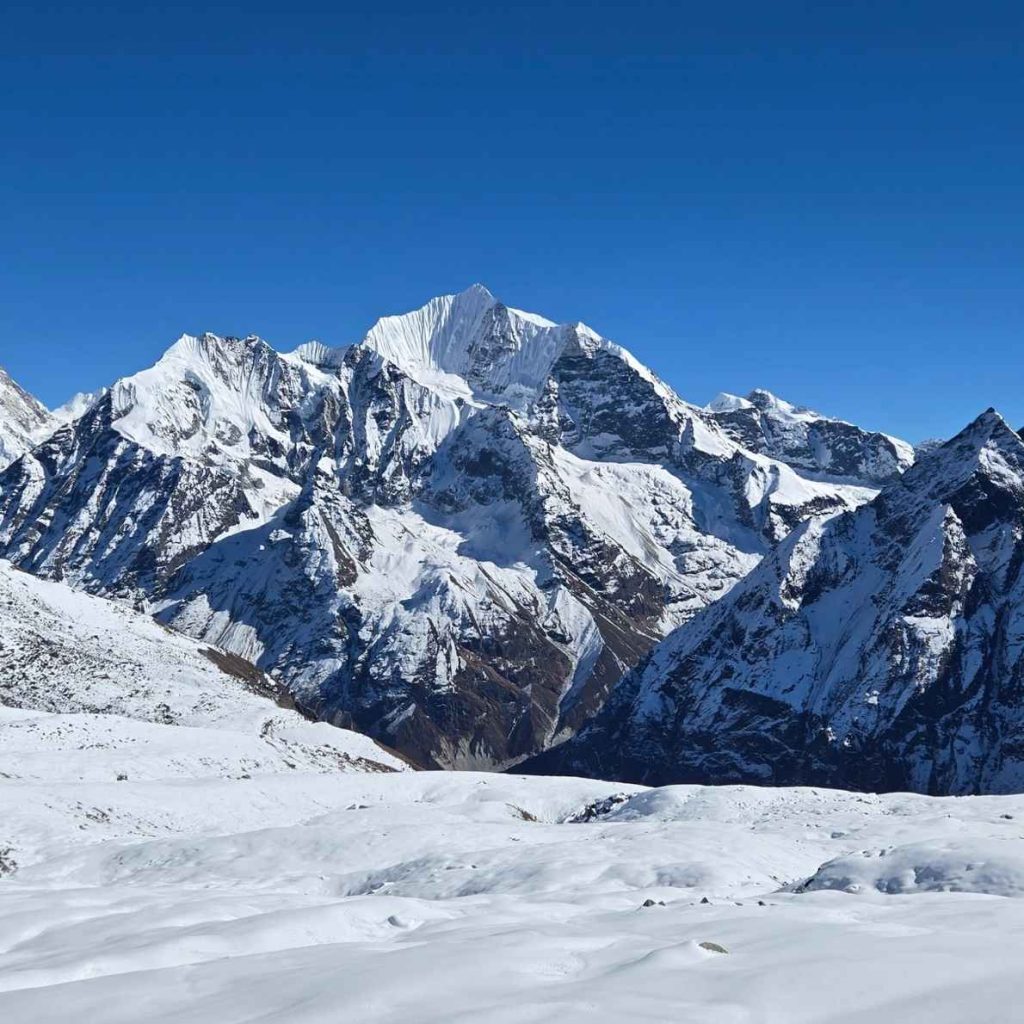
Is the Langtang Gosaikunda Trek for You?
The Langtang Gosaikunda trek is for you if you have around 2 weeks time to explore biodiversity and beauty of Langtang National Park while visiting sacred alpine lakes. To ensure this trek meets your expectations and fitness levels, consider the following criteria:
- Two-Week Timeframe
- A complete itinerary for this circuit typically requires around 12 days. This duration is necessary to cover both the Langtang Valley and the Gosaikunda Lake region safely, providing enough time for essential acclimatization and a manageable daily walking pace.
- Pilgrimage and Cultural Interest
- This trek is ideal for those interested in the religious heritage of the Himalayas. Gosaikunda is a primary pilgrimage site for Hindus and Buddhists; visiting the sacred turquoise lakes offers a unique look at the rituals and faith that define this high-altitude landscape.
- High Physical Fitness
- The trail requires significant stamina as you must ascend above 4,500 meters twice. Once to the viewpoints in Langtang Valley (Tserko Ri or Kyanjin Ri) and again to reach Gosaikunda Lake. You should be in excellent physical shape to handle these back-to-back high-elevation climbs.
- Nature and Wildlife Enthusiasts
- If you enjoy birdwatching or searching for rare species, this trek provides ample opportunity within Langtang National Park. The trail winds through varied climate zones, from lush rhododendron and bamboo forests to the stark, glaciated terrain of the upper valley. It is a habitat for the elusive red panda.
- Moderate Trekking Capability
- This route is suited for trekkers who have previous experience on mountain trails. While no technical climbing is involved, the terrain and high altitude categorize it as a moderate-to-difficult trek, making it the perfect next step for hikers looking to increase their endurance.
Langtang Gosaikunda Trek Map
Our Langtang Gosaikunda Trek Map covers the complete route: driving from Kathmandu to Syabrubesi, trekking to Kyanjin Gompa, descending to Bamboo, and continuing through Thulo Syabru to Gosaikunda, before descending to Dhunche for the drive back to Kathmandu.
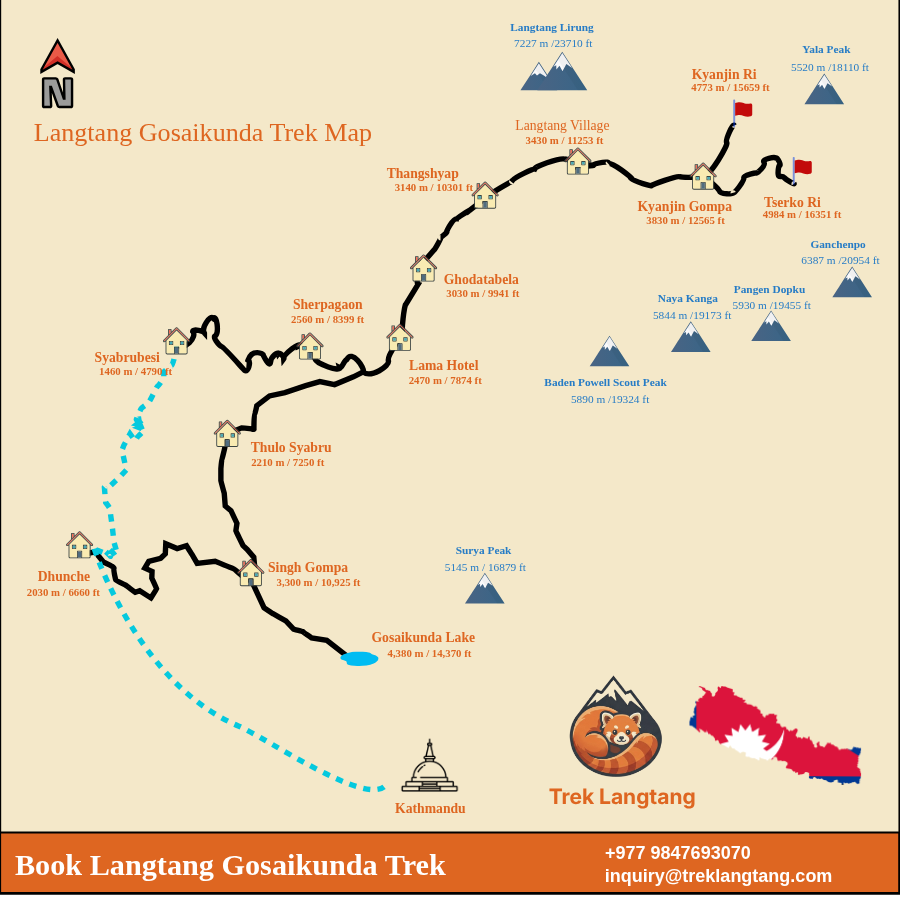
Map Features
- Altitudes: Marked for major settlements and major peaks, including Langtang Lirung, Naya Kanga, and Surya Peak.
- Trail Legend:
- Black Line: Walking trail
- Sky Blue Line: Driving route
Why Choose Us (Trek Langtang) For This Trek?
Local Experts
Our local guides from Sherpa, Limbu, Rai, Chhetri community safely navigate the mountain trails and share authentic cultural insights.
24/7 Support
Our team provides round-the-clock assistance throughout your entire journey.
Transparent Policy
You pay exactly what we quote. Our transparent policies clearly define every inclusion and exclusion, ensuring no hidden fees or clauses.
Active Guardianship
As a sister company of “Travel to Nepal”, we strictly enforce the “Guarding the First Living Shangri-La” policy. We pack out all waste, protect regional wildlife, and guarantee fair wages for our local staff.
Personalized Itineraries
We customize your daily trekking schedule to match your exact pace and interests.
Our Reviews
Why Choose the Langtang Gosaikunda Trek?
- Experience Langtang National Park: The trail includes subtropical forests to alpine tundra, home to rare species like the red panda and snow leopard. You experience deep river gorges, high pastures, glacial moraines, and the towering Langtang Lirung massif.
- Spiritual Significance: Gosaikunda is a sacred alpine lake believed to be created by Lord Shiva; it draws thousands of hindu pilgrims during the Janai Purnima festival. Also, the region is heavily influenced by Tibetan Buddhism, marked by ancient monasteries like Kyanjin Gompa, prayer flags, and mani walls.
- Higher Physical Challenge: The Gosaikunda route climbs significantly higher than the standard Langtang Valley trek. It requires sustained climbing up steep ridges, demanding higher cardiovascular fitness.
- Himalayan Culture: You can have authentic interactions with the Tamang and Sherpa ethnic groups of the Langtang National Park. Trekkers can observe high-altitude farming, yak herding, and unique stone-house architecture unchanged for generations.
- Climb Peaks: In this trek, you have the opportunity to climb non-technical viewpoints and peaks like Kyanjin Ri (4,773m) and Tserko Ri (4,984m). They provide close-up views of the Langtang Himal, Dorje Lakpa, and Ganesh Himal ranges.
Best Months To Do Langtang Gosaikunda Trek in 2026/2027?
The best months for the Langtang Gosaikunda Trek are October, November, December, and April. These months fall within the autumn (September to November) and spring (March to May) seasons. They offer stable weather, clear skies, and comfortable trekking temperatures.
- October (From October 5 onward): Post-monsoon skies are clear of dust and rain, offering crystal clear visibility. Day temperatures are ideal for trekking, though early October can occasionally experience residual rain.
- April: A prime spring month where trails are lined with blooming rhododendrons. Mornings are consistently clear, though clouds may build up in the afternoon. Temperatures remain comfortable.
- November: Offers clear skies and excellent visibility similar to October. The landscapes remain vibrant, though rhododendrons are not in bloom.
- December (Up to December 20): Winter temperatures have risen in recent years, making the first three weeks of December suitable for trekking. Daytime weather is generally clear, though mornings, evenings, and nights drop below 0 degree celsius.
Alternate Favorable Months
- March and May: These are also viable trekking months within the spring season with blooming rhododendrons.
Weather Unpredictability
Himalayan weather is inherently unpredictable. For example, unexpected late-October snowstorms occurred in 2025, despite October historically seeing minimal snowfall. While our recommendations are based on weather patterns from the past five years, trekkers must prepare for sudden heavy snowfall or rain in any month.
Detailed Langtang Gosaikunda Trek Itinerary
Day 1: Drive from Kathmandu to Syabrubesi
Day 1: Drive from Kathmandu to Syabrubesi
Today is the first day of our trip, which consists entirely of a 7-hour drive from Kathmandu to Syabrubesi instead of trekking. Syabrubesi is the gateway to the Langtang Valley. The route follows winding mountain roads along the Trishuli River, passing traditional roadside settlements and terraced fields. If we start the drive in the morning, we should reach Syabrubesi by 2:00 PM. This leaves enough time to explore the village or visit the nearby hydropower station.
Day 2: Trek from Syabrubesi to Sherpagaon (Village)
Day 2: Trek from Syabrubesi to Sherpagaon (Village)
The trekking begins with a crossing of the Bhote Koshi River. Instead of the traditional lower trail, the route ascends steeply through the hills via Khanjim to reach Sherpagaon. This upper trail offers wide views of the surrounding valleys and the mountains on the opposite side, including the Paldor range, Ganesh Himal range, and peaks within Tibet. The trail passes through Tamang and Sherpa settlements, providing a quieter, less-crowded walking experience.
Day 3: Trek from Sherpagaon to Thangshyap
Day 3: Trek from Sherpagaon to Thangshyap
The trail rejoins the lower Langtang route in Rimche and climbs steadily through dense rhododendron, oak, and pine forests. Walking alongside the rushing Langtang Khola, the path opens up to views of the Langtang Lirung massif from Riverside and Ghodatabela. Trekking permits are checked at the Ghodatabela checkpoint, and after approximately another hour of trekking, you reach today’s destination: Thangshyap.
Day 4: Short Trek from Thangshyap to Kyanjin Gompa (Village)
Day 4: Short Trek from Thangshyap to Kyanjin Gompa (Village)
The trail passes yak pastures, stone-carved mani walls, and chortens, reaching Langtang Village after about two hours of hiking. Past the village, the valley opens up, offering clear views of the surrounding peaks as the landscape shifts into an alpine valley. You reach Kyanjin Gompa by around 3:00 PM. As the highest permanent settlement in the Langtang valley, it is known for its historic monastery and local yak cheese factory.
Day 5: Hike from Kyanjin Gompa to Tserko Ri or Kyanjin Ri (Viewpoint). Return to Kyanjin Gompa
Day 5: Hike from Kyanjin Gompa to Tserko Ri or Kyanjin Ri (Viewpoint). Return to Kyanjin Gompa
Today the itinerary features optional ascents to two primary peaks: Kyanjin Ri (4,770 meters) or Tserko Ri (4,985 meters). The hike to Kyanjin Ri requires 3 to 4 hours for a round trip. The path to Kyanjin Ri involves a steep, switchback ascent directly north of the village. Kyanjin Ri consists of a lower peak and a higher peak, both marked by prayer flags.
The ascent to Tserko Ri demands 7 to 8 hours for a round trip. The Tserko Ri route crosses lateral moraines, frozen stream beds, and boulder fields. Both peaks offer 360-degree visibility of the Langtang Himalayas. Visible geological features include Langtang Lirung, Langtang II, Yala Peak, Dorje Lakpa, and the primary Langtang Glacier.
The high elevation presents lower atmospheric oxygen levels, necessitating slow movement and continuous hydration. The terrain consists of loose scree, exposed rock, and seasonal snow patches. Trekkers return to Kyanjin Gompa for overnight accommodation. The acclimatization hikes stimulate red blood cell production for altitude tolerance.
Day 6: Descend from Kyanjin Gompa to Lama Hotel
Day 6: Descend from Kyanjin Gompa to Lama Hotel
Leaving the high valley, the trek today retraces its steps back down along the Langtang Khola. The descent is fast and steadily drops over 1,300 meters of altitude, passing back through Mundu, Langtang Village, Thangshyap, and Ghodatabela. Because downhill walking is quicker and less cardiovascularly demanding than climbing, you can cover a longer distance today. However, this continuous descent places significant stress on the knees and legs, so it should not be underestimated. You will reach Lama Hotel by evening.
Day 7: Trek from Lama Hotel to Thulo Syabru
Day 7: Trek from Lama Hotel to Thulo Syabru
The trail first rises to Rimche and then descends to Bamboo before branching off toward the Gosaikunda section of the trek. Leaving the Langtang Khola behind, the path climbs steeply up a ridge to Thulo Syabru. This large Tamang village is built on a prominent hillside, offering clear views of the Ganesh Himal range and Paldor Himal.
Day 8: Trek from Thulo Syabru to Singh Gompa.
Day 8: Trek from Thulo Syabru to Singh Gompa.
The day begins with a steep climb through forests of hemlock, oak, and rhododendron up to Foprang Danda. The trail continues past small settlements and ridges until reaching Singh Gompa (Shin Gompa). This quiet village houses a prominent monastery and a well-known local yak cheese cooperative.
Day 9: Trek from Singh Gompa to Gosaikunda Lake.
Day 9: Trek from Singh Gompa to Gosaikunda Lake.
The trail ascends steadily through Lauribinayak, where the tree line ends and alpine shrubs begin. This stretch offers wide views of the Annapurna, Manaslu, and Ganesh Himal ranges during the clear day in Autumn season. After crossing the ridge, the trail leads directly to the sacred alpine waters of Gosaikunda Lake.
Day 10: Trek from Gosaikunda Lake to Singh Gompa.
Day 10: Trek from Gosaikunda Lake to Singh Gompa.
After spending the morning exploring the lakeshore of Gosaikunda and viewing the surrounding rugged peaks, you begin the return journey to Singh Gompa. The trail retraces the previous day’s route, descending steeply through Lauribinayak and back into the forest line to spend the night at Singh Gompa.
Day 11: Trek from Singh Gompa to Dhunche.
Day 11: Trek from Singh Gompa to Dhunche.
The final day of trekking is a long, continuous descent through pine and rhododendron forests. The trail bypasses Thulo Syabru and heads directly down toward the district headquarters of Dhunche. The walk ends here, marking the completion of the trekking loops.
Day 12: Drive from Dhunche to Kathmandu. Trip Ends
Day 12: Drive from Dhunche to Kathmandu. Trip Ends
The itinerary concludes with a return drive from Dhunche back to Kathmandu. The unpaved mountain road connects to the highway along the Trishuli River, taking approximately 6 to 7 hours to reach the capital, where the trip officially ends.
Military personnel verify exiting trekkers at the Dhunche security checkpoint. The road subsequently descends alongside the Trishuli River. The highway passes through rural agricultural distribution towns, including Kalikasthan and Trisuli Bazaar.
Packing List for Langtang Gosaikunda Trek Itinerary
| Category | Item | Quantity |
|---|---|---|
| Base Layers | Thermal Long Wool Tops and Leggings | 2-3 Sets |
| Moisture-Wicking Underwear | 5–6 Pairs | |
| Outer Shell | Heavy Down Jacket | 1 |
| Windbreaker Jacket | 1 | |
| Lightweight Trekking Pants | 3 | |
| Shoftshell Trouser | 1 | |
| Thick Insulated Gloves | 1 Pair | |
| Footwear | Trekking Boots | 1 Pair |
| Merino Wool Socks | 6 Pairs | |
| Synthetic Liner Socks | 2 Pairs | |
| Camp Shoes | 1 Pair | |
| Bags/Sleep | Daypack (50 Liter) | 1 |
| Duffel Bag (100 Liter) | 1 | |
| Four-Season Sleeping Bag (-10°C to -20°C) | 1 | |
| Sleeping Bag Liner | 1 | |
| Stuff Sacks | 3 | |
| Accessories | Trekking Poles | 1 Pair |
| Headlamp | 1 | |
| Polarized Sunglasses | 1 Pair | |
| Sunhat | 1 | |
| Warm Hat (Beanie) | 1 | |
| Fullbody Trekking Poncho | 1 | |
| Raincover for Bag | 1 | |
| 1 Liter Water Bottle (Bring 2)/ Hydration Bladder | 1 | |
| Gaiters / Crampons | 1 Pair | |
| Toilet Paper | 2 | |
| Neck Buff | 1 | |
| Others | ||
| Health | First Aid Kit | 1 |
| Sun Protection | Kit | |
| Lip balm with sunscreen | 1 | |
| Water Purification Bottle | Kit | |
| Microfiber Towel | 1 | |
| Biodegradable Wet Wipes | 1 | |
| Logistics | Power Bank(20000mah) | 1 |
| Universal Plug Adaptor | 1 | |
| Cash (Nepali Rupees) | 3k–4k/day | |
| Passport size photos | 2 | |
| Passport | 1 | |
| High Altitude Insurance | 1 Per Person | |
| High Energy Snacks | 2 energy bars per day |
Frequently Asked Questions
Trek Guide and Porter (Trek Langtang Staff)
Is it legally mandatory to hire a guide for Langtang National Park?
While a law requiring foreign trekkers to hire a guide for the Langtang National Park has been passed, it is not yet strictly enforced. However, please be aware that the current Nepalese government is increasingly prioritizing the implementation of these regulations. It is likely that the guide requirement will become mandatory in the near future.
What is the purpose of the guide for the Trek?
Think of your guide as your mountain concierge and safety net. Beyond navigating the trails, they handle the ‘behind-the-scenes’ logistics like ensuring you get the best rooms in crowded teahouses and maintain constant communication with the Trek Langtang team. Most importantly, they are trained to monitor your health and manage emergency protocols for altitude sickness or injury, ensuring your trek is as safe as it is memorable.
Can my guide speak English?
Our guides in the Langtang region speak good English. If you have specific language needs (French, German, Spanish), we can also pair you with a language specialist for a slightly higher fee.
Can I find a female guide for Langtang Gosaikunda Trek?
Absolutely. There is a growing number of incredible female guides in Nepal. If you are a solo female traveler or just prefer a female perspective, we can arrange a ‘female guide’ for you.
Does the guide stay with me the whole time?
Yes. They will walk with you (or slightly ahead/behind at your pace), eat in the same tea houses, and stay in the same lodges. They are your 24/7 point of contact for any issues. Of course, when you need your private time (let’s say you want to enjoy yourself in Gosaikunda Lake), then our guide will not disturb your personal space and time.
What is the “Tipping Culture” for guides in Nepal?
Tipping is expected by guides. A good rule of thumb is 10% of the total trek cost.
Does a guide carry my backpack?
No. A guide’s job is leadership and safety. If you want someone to carry your heavy pack (over 5-7kg), you should hire a Porter.
Can a guide help me change my itinerary mid-trek?
Yes! That is one of the best perks. If you’re feeling strong and want to skip a rest day, or if you’re tired and want to slow down, your guide will rearrange the tea house bookings and logistics on the fly. However, if it’s a peak season and tea houses are not readily available then changing itinerary mid-trek is not possible.
Permits
What is the primary permit I need for the Langtang Gosaikunda Trek?
The only permit you need is the Langtang National Park Entry Permit. Since the placeis a protected national park, this permit grants you legal access to the trails, forests, and villages within the park boundaries.
What documents do I need to provide?
You will need your original passport (or a very clear photocopy), a copy of your Nepal Tourist Visa, and two passport-sized photographs.
Do children need to pay for permits?
Children under the age of 10 do not need to pay for the Langtang National Park Entry Permit. It is free for them, though you should still carry their passport for age verification.
If I lose my permit on the trail, what should I do?
It is very difficult to replace a lost permit while in the mountains. We will probably need to get another permit by explaining our situation in the checkpoint at double the cost.
Trek Cost
What is the daily cost for food and drink?
Plan to spend around 25 USD per day on three solid meals and a few hot drinks. Prices increase as you get higher because everything must be carried up by porters or mules.
How much extra cash should I carry for the Langtang Trek?
For trekkers who choose to pay for their own meals, we typically recommend carrying an additional USD 250 to USD 300. While total meal costs generally come to approximately USD 200, the remaining funds can be used for hot showers, beverages, extra snacks, or any unexpected expenses.
What is the extra private jeep cost?
For an additional 300 USD, you can upgrade to a private jeep for your round-trip transportation between Kathmandu and Syabrubesi. This covers both your initial departure and your return trip from Dhunche to Kathmandu at the end of the trek. The primary benefit of a private jeep is complete flexibility; you won’t be tied to a rigid public transport schedule, allowing for a much more comfortable and stress-free journey to the trailhead.
How much does water cost on the trail?
A 1-liter bottle of hot water costs USD 1 in Sherpagaon but can hit USD 3 in Gosaikunda.
Pro Tip: Carry a reusable bottle and purification tablets; it costs pennies and saves the environment.
Can I rent gear in Kathmandu to save money?
Yes! Don’t buy a 300 USD sleeping bag for one trip. Down Jacket Rental: USD 1.50 to USD 2.50 per day. Sleeping Bag Rental: USD 1.50 to USD 2.50 per day. Trekking Poles: USD 1 per day.
Is travel insurance expensive?
For a trek under 5,000m, insurance usually costs 50 to 100 USD. Ensure your policy specifically covers “trekking up to 5,000m” and “helicopter evacuation.” Without it, a helicopter rescue could cost you around 5,000.
Accommodation and Food
What exactly is a “Tea House” accommodation?
A tea house is a small, family-run mountain lodge that provides both meals and a place to sleep. In Langtang and Gosaikunda, these are typically built from stone and wood, featuring a central heated dining hall where trekkers socialize and basic twin-sharing bedrooms for sleeping.
Is there heating in the bedrooms?
No. Bedrooms are not heated and can drop below freezing at night. The only heated area is the dining hall, which is warmed by a central wood or dung-burning stove during dinner time.
Do I need to book my stay in advance?
During the peak seasons (Spring and Autumn), it is essential to have your Langtang Gosaikunda trek book ahead (3 to 6 months ahead).
Are there vegetarian, vegan, or gluten-free options?
Yes! Langtang Gosaikunda Trek is a haven for plant-based eaters. Most meals are naturally vegetarian. For vegans, Dal Bhat (without ghee) and veg-noodles are easy finds. Gluten-free trekkers should stick to rice-based dishes (Dal Bhat) or buckwheat pancakes, but be sure to communicate your needs clearly with our team before the trek.
Is it safe to eat meat at high altitudes?
We generally recommend a vegetarian diet once you are above 2,000 meters. Since meat must be carried up by porters or mules without refrigeration, the risk of food poisoning increases with altitude. Stick to fresh vegetables, eggs, and pulses for a safer stomach.
Is tap water safe to drink?
Never drink untreated tap water. You can buy bottled water (NPR 100–300), but it creates plastic waste. The best practice is to use a reusable bottle with purification tablets or a UV filter (SteriPen). Most tea houses also sell “boiled water” by the liter for a small fee.
Are there hot showers, and what do they cost?
Hot showers are available but usually cost an extra 2 USD. In lower areas, these may be gas-powered; at higher altitudes like Kyanjin Gompa, they are often “bucket showers” where you are given a pail of solar-heated water.
How much does a typical meal cost?
Budget roughly 20 USD per day. A breakfast of eggs and toast is cheaper, while a dinner of Dal Bhat or Pasta will be on the higher end. Prices increase significantly as you get higher because all ingredients must be transported by hand or animal.
Booking Process and Cancellation
How do I officially start the booking process for Langtang Gosaikunda Trek?
To begin the booking process, please contact us via email or WhatsApp. To help us provide the best service, please include your planned arrival date in Nepal and let us know if you would like to customize the itinerary or require more information. Our team will then guide you through the process step-by-step. Your booking is officially confirmed once we receive an initial 20% deposit of the total trip cost.
What documents are required for a successful booking?
You will need to provide a clear scan of your passport (valid for at least 6 months before arriving in Nepal), passport-sized photos (for permits), your travel insurance policy, and your flight details.
How much deposit is required to secure my spot?
We require a deposit of 20% of the total trek cost. This money is immediately used to book your guide, pre-arrange transportation and teahouses, and secure your permits from the government.
When is the final balance payment due?
You pay the remaining balance upon your arrival in Kathmandu. Your final payment can be in cash (USD or NPR) or via credit card at our office before you depart for Langtang Gosaikunda Trek from Kathmandu.
What payment methods are commonly accepted?
We accept Bank Transfers, Credit Cards (Visa/Mastercard), and Cash. Note that credit card payments in Nepal often incur a 3.5% to 4% merchant fee, so bank transfers or cash are often more cost-effective.
Is it possible to book a trek at the last minute?
Yes, last-minute bookings (within 1 week of departure) are often possible for Langtang because it doesn’t involve domestic flights. To ensure a smooth start, we require immediate 20% payment to expedite your permits and secure your licensed guide. Please note that during peak seasons, the most popular teahouses and rooms with attached bathrooms may already be fully booked; in these cases, we appreciate your flexibility as we secure the best available alternatives for you.
Why is the initial booking deposit non-refundable?
The deposit covers administrative costs that the agency cannot recover. This includes the time spent organizing permits, the “opportunity cost” of reserving a specific licensed guide, and any non-refundable deposits made to transportation or hotel partners.
What happens if we (Trek Langtang) cancel the trip?
While we rarely cancel departures, your safety is our absolute priority; therefore, if extreme and unforeseeable events such as earthquakes or severe flooding render the trail unsafe, we will provide a full refund of your payment. We are committed to ensuring that you are never at a financial loss for cancellations caused by circumstances beyond anyone’s control.
To Book Your Langtang Trek, contact us on WhatsApp at our Phone Number +977-9847693070. Best Price and Service Guaranteed!