The Unfiltered Langtang Valley Trek Review
I have trekked the Langtang Valley route more than ten times, with nine of those treks spent personally guiding clients through Langtang Valley. In this article, I have tried to be as honest review of the Langtang Valley Trek. My last trek was in early March 2026, so you can be sure that my review is up to date. I have included both the positive and negative reviews of the trek, from the amazing meadows to sections with litter. Additionally, I have reviewed the Langtang trail by comparing it with other popular treks in Nepal, based on my experience in other Himalayan regions. I have also included a few candid reviews from our clients who trekked Langtang with us.

Table of Contents
The Good of Langtang Trek
Time and again, I walk away with nothing but absolute appreciation for the Langtang Valley trail. It consistently delivers some of the most dramatic scenery in the Himalayas: transitioning from lush green valleys to sweeping snow-capped peaks and massive hanging glaciers, all easily accessible within just a few hours’ drive from Kathmandu.
Fast and Reliable Accessibility
Unlike many other treks in Nepal that rely on unpredictable mountain flights, Langtang offers absolute peace of mind right from the start. A straightforward, 7-hour scenic jeep ride straight from Kathmandu drops you directly at the trailhead in Syabrubesi. This means zero flight delays, fewer logistical headaches, and a seamless transition from the bustling city to the peaceful mountains.
A Real-Life Shangri-La
The sheer variety of the landscape on this trek is breathtaking. At lower elevations, the trail winds through lush, vibrant jungles, which eventually open up into sprawling green meadows around Ghodatabela. Surrounded by brilliant, snow-capped white peaks, the rich green valleys look exactly like the legendary Shangri-La. You can easily imagine how this hidden valley might have inspired the very concept of a mountainous paradise. The visual climax? The unbelievable, 360-degree panoramic mountain views from the summit of Tserko Ri.
Glaciers, Rivers, and Frozen Waterfalls
Water is a constant, dramatic companion on this journey:
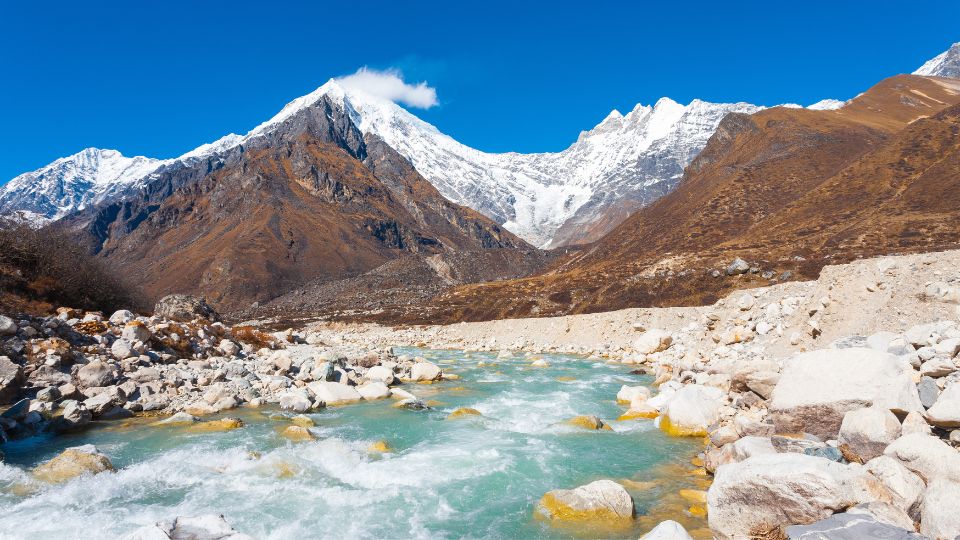
- The Langtang River: The pleasant rustling sound of the river and its striking turquoise waters make the trek incredibly scenic. You can easily step off the trail to play near the water, but be warned, the glacial melt is freezing! Dipping your bare feet in for more than 10 seconds is a genuine challenge.
- Endless Waterfalls: You will encounter a new waterfall practically every 10 minutes along the lower trails. Depending on the time of year, you might even get the rare chance to witness spectacular frozen waterfalls suspended in time.
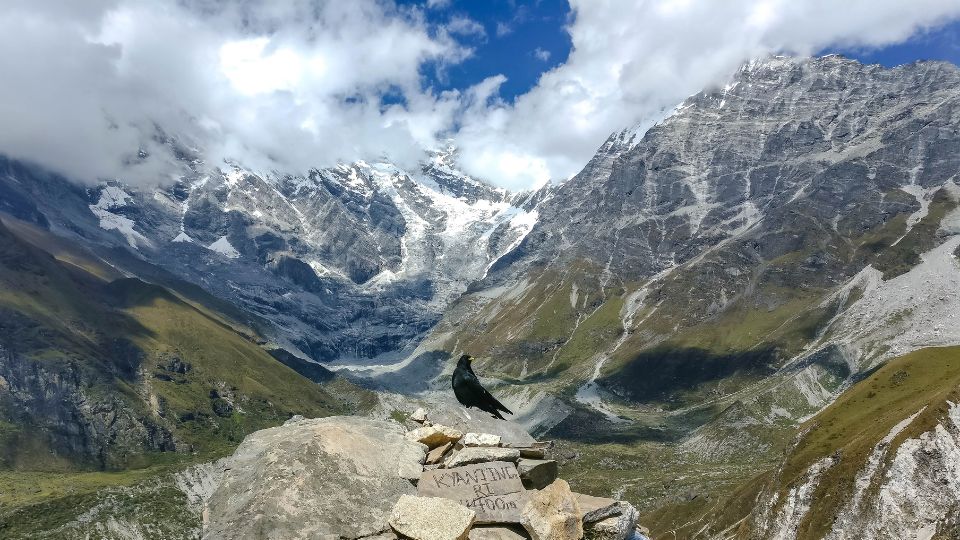
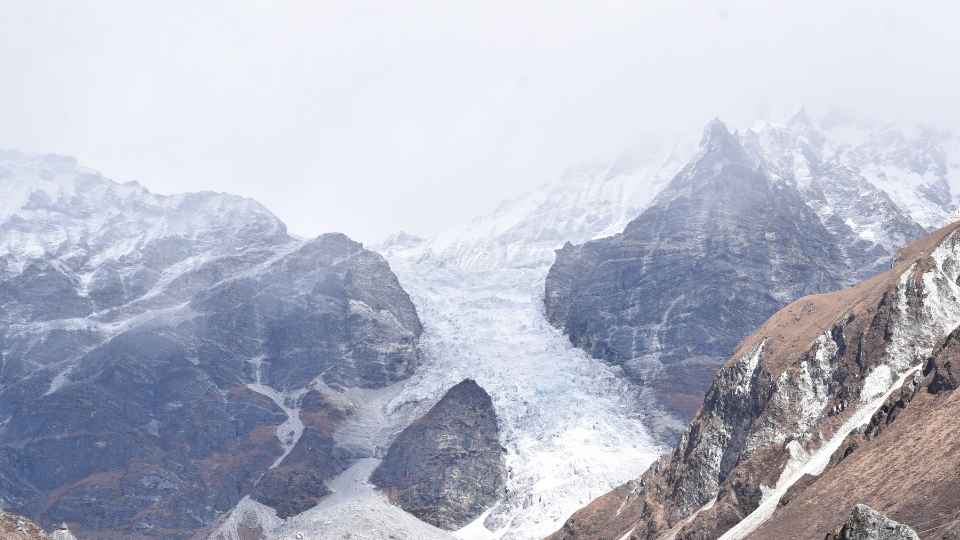
- Massive Glaciers: The hanging glaciers of Langtang Valley visible from Kyanjin Gompa, Kyanjin Ri, and Tserko Ri are truly awe-inspiring. The colossal Lirung Glacier is the standout, cascading down from the 7,227-meter peak of Langtang Lirung all the way to 4,400 meters. Standing before it is a jaw-dropping experience that leaves you feeling incredibly small and deeply humbled by the sheer scale of nature.
Comforts and Warm Hospitality
Despite the rugged, remote terrain, the trail provides unexpected and highly welcome comforts.
- Teahouse Amenities: After a long day of trekking, you can look forward to hot gas showers, surprisingly reliable Wi-Fi to stay connected, and cozy, warm dining halls to recharge for the next day.
- Incredible Locals and Army Personnel: The hospitality is unmatched. Both the local residents and the army personnel stationed along the route are enthusiastic, friendly, and always willing to answer questions or point you in the right direction without hesitation.
- Local Yak Cheese: Do not leave without trying the locally produced yak cheese. It is absolutely incredible, bringing half a kilogram back home for the family is highly recommended, as the unique taste is an instant hit!
The Spiritual Heart: Kyanjin Gompa
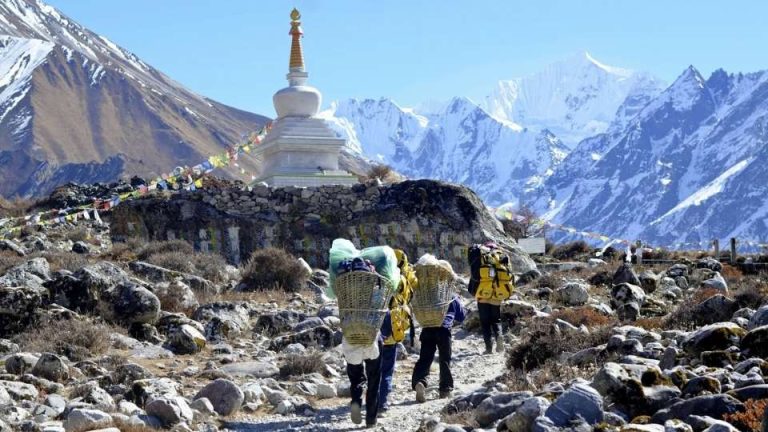
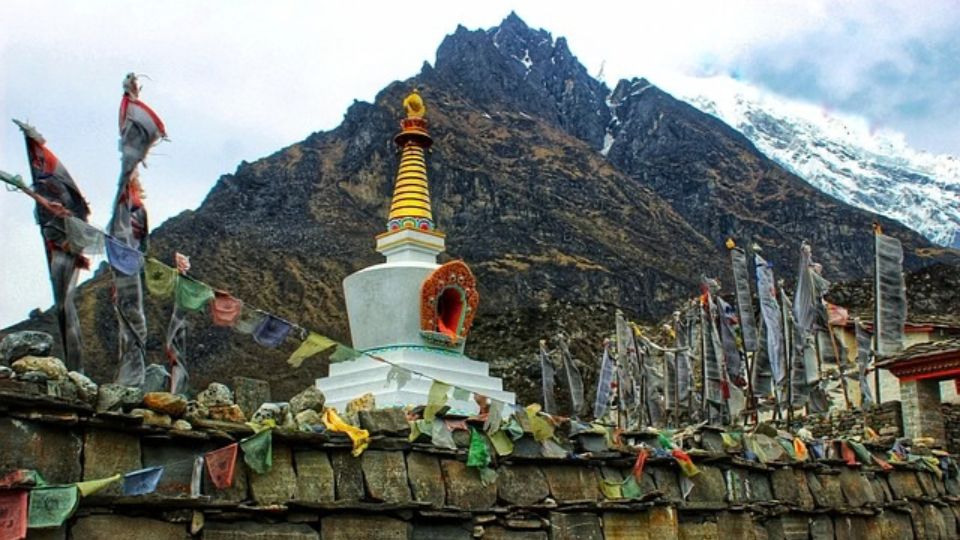
Deep in the valley, Kyanjin Gompa offers a profound cultural resonance that elevates the trek beyond just a physical journey. The settlement is steeped in rich Tibetan Buddhist heritage, with ancient stupas dotting the rugged landscape. The sight of sacred Pancha Buddhas carved directly into the stone, set against the dramatic backdrop of the high Himalayas, carries a heavy spiritual significance. It provides a peaceful, reflective atmosphere that stays with you long after you’ve left the valley.
The sheer magnitude of the Lirung Glacier, paired with the quiet spiritual grounding found among the Pancha Buddhas of Kyanjin Gompa, creates a trek that feeds both the adventurous spirit and the soul. Add in the comforts of a hot shower, a warm dining hall, and the hospitality of the locals at the end of a long day, and it is easy to see why this valley feels like a true hidden paradise. But no high-altitude trek is entirely without its hurdles. To ensure you are fully prepared for the realities of the trail, let’s strip back the romanticism and examine the tougher aspects of the journey.
My Bad Experience in Langtang Trek
While Langtang offers immense beauty, glossing over the harsh realities of high-altitude trekking does a disservice to anyone planning this journey. Nature is unpredictable, and infrastructure in these remote areas is still developing. Here is a brutally honest look at the challenges, hazards, and frustrating moments I experienced on the trail.
Irresponsible Trekking and Waste
Seeing a pristine, untouched landscape marred by human carelessness is deeply frustrating. While the valley itself is stunning, I found waste and plastic litter scattered at several of the high peak points. It is a harsh reminder of irresponsible tourism. As someone deeply invested in the preservation of these trails, I spent time picking up as much plastic as I could carry and brought it back to my teahouse to dispose of properly. If you trek here, please practice strict Leave No Trace principles.
The Frozen Toilet Reality and Trail Sanitation
If you are trekking in the colder months, be prepared for basic infrastructure to fail. During my early December trek, the pipes froze overnight. I woke up early to use the toilet before tackling the grueling 9-hour Tserko Ri hike, only to find it completely frozen and unable to flush.
- The Reality: There are absolutely no toilets along the Tserko Ri route. If you want to avoid polluting this beautiful environment, you have to hold it.
- Pro-Tip: If you have a challenging, high-altitude hike the next morning, handle your bathroom needs in the evening before the temperatures plummet in the winter months.
Trail Hazards: Landslides and Sketchy Crossings
Safety is not guaranteed on mountain trails, and you must stay hyper-aware of your surroundings.
- Landslide Zones: The section between Bamboo and Rimche has a few active landslide-prone areas. While it only takes about 10 to 20 seconds to quickly cross these narrow stretches, you cannot let your guard down. You must look up and listen carefully for falling rocks before and during your crossing.
- Makeshift Bridges: During the Tserko Ri hike, there is a stream crossing that lacks a proper bridge. Instead, trekkers must balance across two cuboid-shaped wooden planks placed side-by-side. While I haven’t heard of any specific incidents occurring here, it felt undeniably risky and unstable.
Navigating Aggressive Yaks
Yaks share the trails with you. While the vast majority of them are docile and ignore humans, you must be cautious of aggressive ones.
- If you are trekking solo: Pay close attention to the herd’s body language. If a yak seems agitated or blocks the narrow path, do not force your way past. Wait for a local, a guide, or a larger group of trekkers to help safely navigate around them.
- If you have a guide: Follow their instructions immediately; they know how to read the animals and take the necessary measures to keep you safe.
The Repetitive View
Unlike the famous Annapurna Circuit which loops around the region, Langtang is a linear trek. You will use the exact same route to hike back down to the Syabrubesi trailhead. For some trekkers, walking the same path twice can feel repetitive. However, shifting your perspective changes the experience entirely. On my descent, I found myself noticing fascinating new details I had completely missed on the way up: different shapes in the mountains, unique bird species, and changing angles of the landscape.
Comparing Langtang Trek Experience With My Other Treks
Organizing and leading expeditions across the Himalayas day in and day out at Travel To Nepal provides a unique, on-the-ground vantage point. Clients constantly ask which trail is the “best,” but the truth is that every route serves an entirely different purpose and offers a distinct experience. Having personally hiked and managed logistics for all the major routes, here is an objective look at how Langtang truly stacks up against Nepal’s other iconic treks.
How Was My Langtang Trek Different Than Everest Trek?
The differences between Langtang and the Everest Base Camp (EBC) trek come down to sheer scale, time, and logistical anxiety.
- Duration and Altitude: Langtang is a highly manageable 7-day itinerary where you sleep at a maximum elevation of around 3,870 meters at Kyanjin Gompa. In contrast, EBC is a relentless 12 to 14-day grind that pushes you well above 5,300 meters, requiring much stricter acclimatization.
- Logistics and Cost: Everest requires a notoriously weather-dependent, anxiety-inducing flight into Lukla that will set you back around $450 USD. Langtang eliminates that stress and expense entirely. A straightforward jeep ride to Syabrubesi gets you on the trail the very same day, keeping your budget intact and your schedule predictable.
How Was My Langtang Trek Different Than Mardi Trek?
If you are choosing between Langtang and Mardi Himal, you are choosing between two completely different topographies.
- The Topography: The Mardi Himal route is a sharp, dramatic ridge walk. Almost as soon as you clear the forest line, you are rewarded with continuous, sweeping aerial views. Langtang, on the other hand, is a deep gorge walk. You are flanked by massive cliff walls for days, and the truly expansive, panoramic mountain views remain hidden until the valley finally bursts open at Kyanjin Gompa.
- The Accommodation Reality: Mardi has surged in popularity recently, leading to severe teahouse shortages and cramped conditions during peak seasons. Langtang features a much larger, more established network of lodges. While Langtang gets crowded, you are far more likely to secure a comfortable bed and a warm dining hall than you are on the Mardi ridge.
How Was My Langtang Trek Different Than Annapurna Trek?
When comparing Langtang to the Annapurna Base Camp (ABC) trek, the most striking contrasts are the physical toll on your body and the cultural immersion.
- Trail Difficulty: The Annapurna region is infamous for its relentless, knee-punishing stone staircases that go on for hours. Langtang offers a much more forgiving, gradual incline as it closely follows the meandering path of the Langtang River.
- Cultural Shifts: The lower sections of the Annapurna route are characterized by terraced hills and vibrant Hindu farming villages. Langtang feels entirely different. You are quickly immersed in a deeply rooted Tibetan Buddhist culture, where ancient stupas, intricately carved mani walls, and colorful prayer flags define the landscape right up to the glacier’s edge.
Who Should Do Langtang Trek?
The Langtang Valley trek hits a rare sweet spot in the Himalayas, balancing accessibility with dramatic scenery. It is the perfect itinerary for a specific type of traveler. This trek is ideal for:
- Travelers Short on Time: If you only have about a week to spend in Nepal and cannot commit to the 14+ days required for longer circuits, Langtang fits perfectly into a tight vacation schedule.
- Budget-Conscious View Seekers: If you want to experience the breathtaking, snow-capped beauty of the Himalayas but want to avoid dropping around $450 USD on unpredictable mountain flights (like those required for the Everest Base Camp trek), this is your best option.
- Novice Trekkers: If this is your first time trekking in Nepal, Langtang serves as a fantastic introduction. The elevation gain is manageable, and the trails are generally well-defined and less grueling than other major routes.
- Comfort Seekers: If you prefer ending a long day of walking with a relatively comfortable bed, a hot shower, and a warm dining hall, the well-established teahouse network here will not disappoint.
- Food Enthusiasts: Unlike highly remote trails where meals are limited to basic staples, the teahouses in Langtang offer a surprisingly diverse, multi-cuisine food menu to keep you fueled and satisfied.
Who Shouldn’t Do Langtang Trek?
To keep expectations grounded in reality, it is important to acknowledge that Langtang isn’t for everyone. You might want to consider alternative routes if you fall into any of these categories:
- Extreme High-Altitude Seekers: While the optional hike up Tserko Ri reaches nearly 5,000 meters, the core route of the Langtang trek is lower in altitude compared to the Everest or Annapurna regions. If your primary goal is spending weeks at extreme elevations, this might feel too mild.
- Wilderness Purists: If you are looking for a completely remote, off-the-grid, tented expedition far from civilization, Langtang is not it. This is a developed teahouse trek with bustling villages along the way.
- Solitude Seekers: Because of its fast accessibility from Kathmandu and its lower cost, this trail attracts a lot of people. If you are looking for a deeply quiet, less crowded trail where you won’t see other tourists, you will be disappointed during the peak seasons.
- Individuals with Severe Health Risks: If you have underlying health conditions that might require immediate, advanced medical attention, the mountains are inherently risky. There are no hospitals on the trail; emergency evacuation requires a helicopter. If you choose to trek anyway, having comprehensive, high-altitude travel insurance that covers heli-rescue is absolutely mandatory.
Langtang Trek Reviews by International Trekkers
While my own experiences leading expeditions through the valley are comprehensive, the reality is that no single perspective can capture the mountain’s constantly shifting moods. Trail conditions, logistics, and even the general atmosphere change drastically depending on the month you choose to hike. To give you a complete, 360-degree view and help you make an informed decision, I have aggregated feedback from the wider trekkers from USA, Australia, Japan, and Europe, breaking down the reality of the trail season by season.
Langtang Trek Reviews in Autumn Season
Autumn is the undisputed king of trekking seasons in Nepal, but the perfection of the weather comes at a steep price regarding solitude. The trade-off is simple: you get incredibly stable weather and 100-mile visibility, but you must tolerate peak crowds, noisy dining halls, and the absolute necessity of pre-booking your beds.
- Sarah Jenkins from the UK says: “The visibility from Tserko Ri was absolutely unreal; you could literally see for miles in every direction without a single cloud. However, the teahouses were packed to the brim. The dining halls were incredibly noisy at night, which made it hard to relax after a 7-hour hiking day.”
- David Chen from Singapore says: “We had stable weather every single day, which was my biggest priority. The major downside was the accommodation stress. We met trekkers sleeping in dining halls because they hadn’t planned ahead. Pre-booking your teahouse in October is absolutely mandatory.”
- Emma Davies from Australia says: “Spectacular scenery, but if you are looking for a quiet, solitary wilderness experience, do not go in October. You are constantly stepping aside to let large groups or mule trains pass on the narrow sections.”
Langtang Trek Reviews in Spring Season
Spring offers a massive visual shift compared to the barren post-monsoon landscapes. The trail traffic drops noticeably compared to October, offering a bit more breathing room, though the trade-off usually involves sacrificing some afternoon visibility.
- Markus Weber from Germany says: “The trek from Syabrubesi to Lama Hotel was bursting with life. The lower elevations were completely covered in blooming red and pink rhododendrons. It felt like walking through a vibrant, colorful fairytale before hitting the stark glaciers higher up.”
- Priya Patel from the US says: “The mornings were crisp and crystal clear, but you have to start hiking early. By 2:00 PM, the skies definitely got hazy, and the mountain peaks were often obscured by clouds. Still, the trail was much quieter than I expected.”
- Tom Higgins from Canada says: “I loved the temperature in April. It was warm enough during the day to hike in a t-shirt at lower altitudes. There were crowds, but nothing like the traffic jams I’ve read about during the autumn rush.”
Langtang Trek Reviews in Monsoon/Summer Season
This is the most challenging time to be in the Himalayas. The monsoon season brings heavy rains, obscuring the famous mountain views and transforming the lower trails into a muddy, hazardous environment. This season should strictly be reserved for seasoned, rain-tolerant hikers.
- Alex Mercer from New Zealand says: “Do not underestimate the leeches! Below Lama Hotel, the jungle sections were incredibly wet, and the leeches were a constant battle. You absolutely need to bring salt and wear thick, knee-high socks.”
- Chloe Fontaine from France says: “We knew it would rain, but we weren’t prepared for the washed-out trails. Some sections near the river were flooded and required very careful navigation. Unfortunately, the thick clouds meant we barely saw Langtang Lirung.”
- Ben O’Connor from Ireland says: “This is only for people who genuinely do not mind getting soaked. The trails are slippery, and the teahouses are incredibly damp. It has a very moody, mysterious vibe, but if you want guaranteed mountain views, skip the summer.”
Langtang Trek Reviews in Winter Season
Winter trekking in Langtang is a completely different beast. The cold is punishing, and logistical challenges rise as locals abandon the high altitudes, but the reward is a uniquely pristine, deeply solitary experience.
- Liam Gallagher from Scotland says: “The cold is no joke. It hit -15°C (5°F) at Kyanjin Gompa at night, and the water in my Nalgene bottle froze solid right beside my bed. You cannot do this trek in January without a massive, expedition-grade sleeping bag.”
- Sophie Laurent from Switzerland says: “Many of the teahouse owners had already migrated down to Kathmandu or Syabrubesi to escape the winter, so our food and lodging options were extremely limited. We had to eat Dal Bhat almost every meal because the menus were restricted.”
- Kenji Sato from Japan says: “If you can handle the freezing temperatures, it is magical. There was absolute, dead silence on the trails. We didn’t see another foreign trekker for three days. The pristine snowscapes under the clear blue sky made the harsh cold completely worth it.”
Conclusion
In summary, the Langtang Valley trek remains one of Nepal’s most rewarding short-duration journeys in 2026, offering a “Himalayan greatest hits” reel of glaciers, spiritual landmarks, and local hospitality without the logistical nightmare of mountain flights. While the trail provides a more forgiving incline and better teahouse infrastructure than the Mardi or Annapurna routes, it is not without its modern-day hurdles. From navigating landslide zones and aggressive yaks to facing the environmental impact of increased tourism, this is a trek that demands both physical awareness and a commitment to responsible, “Leave No Trace” trekking.
Ultimately, your experience in Langtang will be defined by the season you choose and the expectations you carry. If you can tolerate the peak-season crowds of autumn or the bone-chilling winter nights for the sake of crystalline mountain views, you will find a landscape that truly earns its “Shangri-La” reputation. Whether you are a novice trekker looking for your first Himalayan peak or a seasoned adventurer short on time, the walk into Kyanjin Gompa offers a profound connection to nature and culture that stays with you long after the 7-hour jeep ride back to Kathmandu.