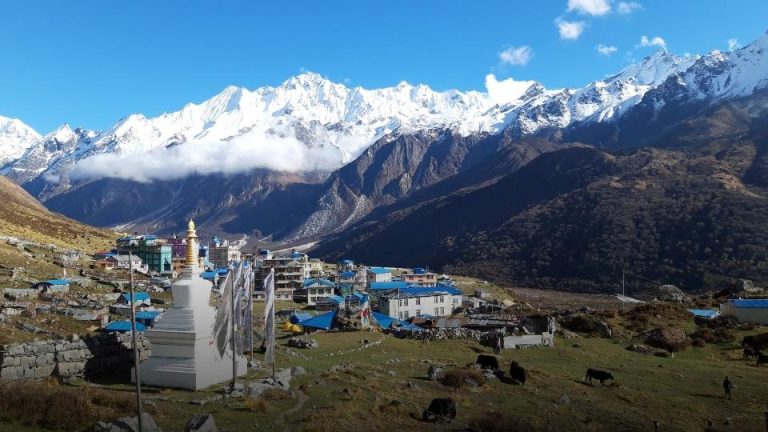
Best Time to Trek in Langtang Valley
The best seasons for the Langtang Valley Trek are Autumn and Spring. Autumn offers crystal-clear mountain views and crisp, fresh air, while Spring provides trails lined with blooming rhododendrons and temperatures perfectly suited for trekking.
Similarly, the top months for the Langtang Trek are October, April, November, and Early December. Each of these months typically offers cloud-free skies, green meadows, and lively trails. October, November, and Early December fall within the Autumn season, while April falls within the Spring season.
You can visit our “Current Langtang Valley Trek Conditions” page to get the latest update on the weather, trail conditions, and any natural disruption in the Langtang.
Table of Contents
Understanding the “Best Time” to Trek in Nepal
First I would like to clarify what “best time” actually means while trekking in Nepal. Like most places around the world, Nepal experiences four distinct seasons:
- Spring
- Monsoon
- Autumn
- Winter
Each of these four seasons offers different conditions in terms of weather, rainfall, snowfall, and temperature. We recommend specific season to our clients based on the conditions mentioned above and our client preference.
For example, during the August month (Monsoon season) heavy rainfall makes the trails slippery, increasing the risk of slips and injuries. Additionally, thick clouds often hide the Himalayas (Langtang Lirung, Naya Kanga, Gangchenpo), which can lead to a sense of disappointment or a lack of motivation for trekkers. To ensure a safe and memorable experience, we generally advise against trekking during the unfavorable months.
By now, I hope you have a better understanding of the “best time to trek” concept: it is all about identifying the period of the year where conditions are most appropriate for your trek. Now let’s take a closer look at what each season offers in the Langtang Valley:
| Seasons | Months | Weather | Visibility & Views | Trail Conditions and Scenery |
|---|---|---|---|---|
| Spring | March – May | Moderate. Temperatures are suitable for trekking. | Good. Clear mornings, though some afternoon haze may occur. | Beautiful. Rhododendrons bloom; forests and valleys are vibrant and colorful. |
| Monsoon | June – September | Hot & Wet. Heavy rainfall and high humidity. | Poor. Thick clouds often hide the mountains. | Difficult. Trails are slippery and muddy; high river flow and potential road blockages. |
| Autumn | September – Early December | Cool & Crisp. Fresh air and stable temperatures. | Excellent. Rain washes away dust, providing crystal-clear mountain views. | Lush. Post-monsoon greenery remains; higher trekker volume on the trails. |
| Winter | Late December – February | Freezing. Sub-zero temperatures and high risk of snowstorms. | Variable. Fog and heavy clouds frequently obscure the peaks. | Harsh. Snow-covered trails; frozen water sources; many local tea houses may close. |
The “best time” to trek is influenced by these shifting conditions. Now that you are familiar with the seasonal cycles, we can share our recommendations, informed by our own treks and feedback from our clients, on which month provides the best experience.
A Final Note of Caution: I must advise all prospective Langtang trekkers to disregard outdated guidebooks and old suggestions. Climate patterns have changed; relying on current, real-time data is the only way to ensure a safe and successful trek in Langtang Valley.
Do Not Follow Past “Best Time To Trek” Suggestions
Based on our direct experience in the Langtang Valley and the insights of local Himalayan communities, we can confirm that climate change is having a tangible impact on the region. Over the past few decades, weather patterns across the Himalayas have shifted significantly, making traditional trekking advice increasingly outdated.
For example, a decade ago, conventional wisdom was to avoid trekking in December due to extreme cold, frozen water sources, and heavy snowfall that blocked trails. However, in the 2020s, this advice is becoming redundant. December is now considered a viable trekking month because rising temperatures have made the cold more manageable, and significant snowfall has become less frequent. (Source: ICIMOD)
Unfortunately, rising temperatures are only one part of the shift. Changing precipitation and snowfall patterns have altered the trekking conditions for nearly every month of the year. If you rely solely on older guidebooks or traditional suggestions, you may find that the climate in Nepal has already moved beyond those descriptions, and your experience in the Langtang Valley may differ from your expectations.
Impact of Climate Change on Old Best Trek Months Advice
Let me make you aware of a few things beforehand about the change in climate pattern which influences trekking experience in Langtang Valley :
- Nowadays, the monsoon has shifted to cover up to the last week of September and the first week of October (Source: Rising Nepal, ResearchGate, our experiences). This means if you decide to trek in September or the first week of October, there is some chance that you will encounter muddy roads, slippery trails, and a cloudy atmosphere.
- Early December is now suitable for trekking; the views are as good as in November, the temperature rise has made it less cold, and the snowfall also arrives later.
So, from the following information, we can conclude that the seasonal pattern has changed in Nepal.
P.S. Trek Langtang bases these climatic claims (such as delayed snowfalls, extended monsoons) on trekking experiences of the past few years. We cannot always guarantee clear weather conditions during early December. Himalayan weather systems remain highly unpredictable.
Previous Weather Pattern:
- Spring Season: March, April, May
- Monsoon Season: June, July, August
- Autumn Season: September, October, November
- Winter Season: December, January, February
Latest Seasonal Climate Pattern (2026/2027)
- Spring Season: March, April, May
- Monsoon season: June, July, August, September
- Autumn Season: September, October, November, Early December (up to Dec 20)
- Winter Season: Late December, January, February
Autumn is the Best Season To Trek In Langtang Valley
Based on our experience and client reviews, Autumn is the best season to trek in the Langtang Valley (though “best” can be subjective, so we have detailed our reasons below).
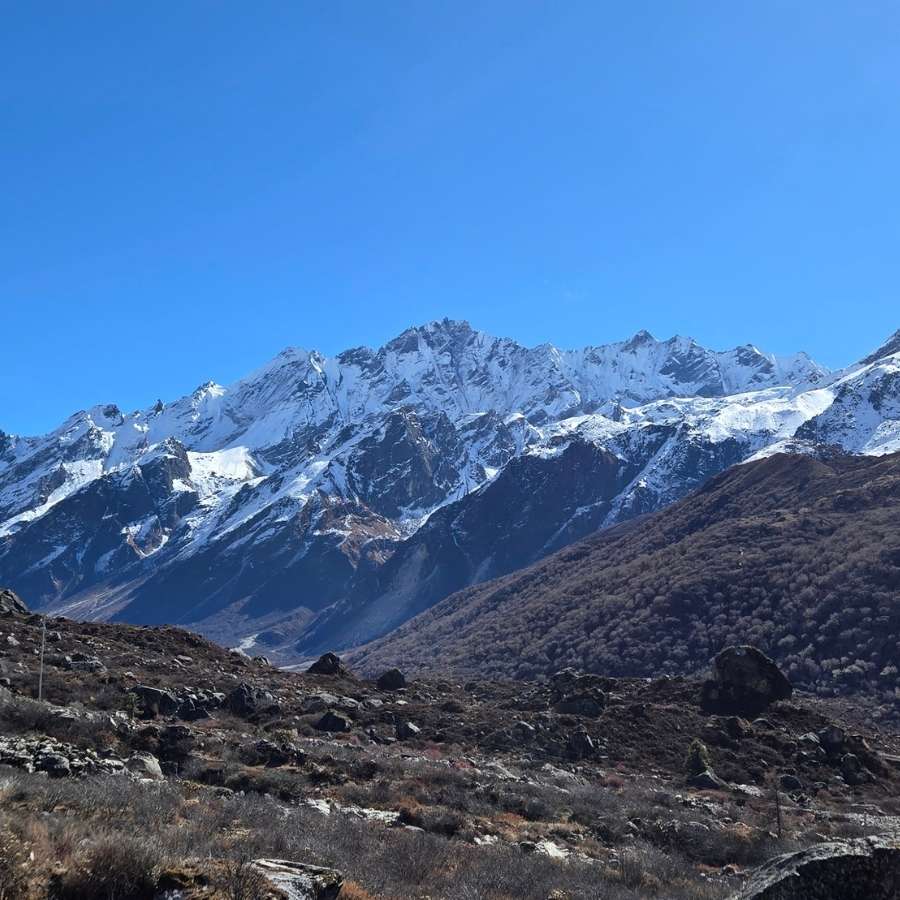
Autumn offers crystal-clear mountain views, lush greenery, less snow on the trails, and pleasant temperatures. If you choose to trek during this time, you will encounter vibrant forests, rushing rivers, green meadows, and dry trails. These conditions combine to make Autumn the top season for Langtang trekking in 2026 and 2027.
Autumn Season Months
Months: September*, October, November, and early December (up to December 20).
Note on September: Due to shifting weather patterns, rainfall may still occur in September. Therefore, we categorize it under both the Autumn and Monsoon season.
Client Reviews: Autumn Season
Here is what some of our trekkers had to say about their Autumn experiences:
“We had perfectly mild temperatures and clear mountain views from Tserko Ri. The valley was alive with greenery and the trails were dry making the whole trek comfortable and scenic”
“The blue skies and the refreshing, cool breeze made the uphill climbs feel much easier.”
“The Langtang trek was honestly just… wow. The mountains are way bigger then they look in photos, and standing there at Kyanjin Ri just makes u feel so small but in a good way”
“We were actually gonna head out to Langtang in late September 2025, but the Trek Langtang guys told us to wait until October instead. I am so glad we listened to them because we heard later it just poured rain in September and would’ve been a mess. October ended up being perfect, we got the most insane views and literally didn’t see a single cloud the whole time!”
We consistently receive positive feedback during the Autumn season. Instances of cloud cover or obscured views are rare during these months.
Tips for Trekking in Autumn
- Start Early: Begin your day early to take full advantage of the clear morning skies.
- Book in Advance: As this is the peak season due to the excellent views, accommodations fill up quickly.
- Layer Up: Pack for mild days but prepare for freezing temperatures at night.
- Gear Essentials: Carry trekking poles and crampons, especially if you are trekking in December.
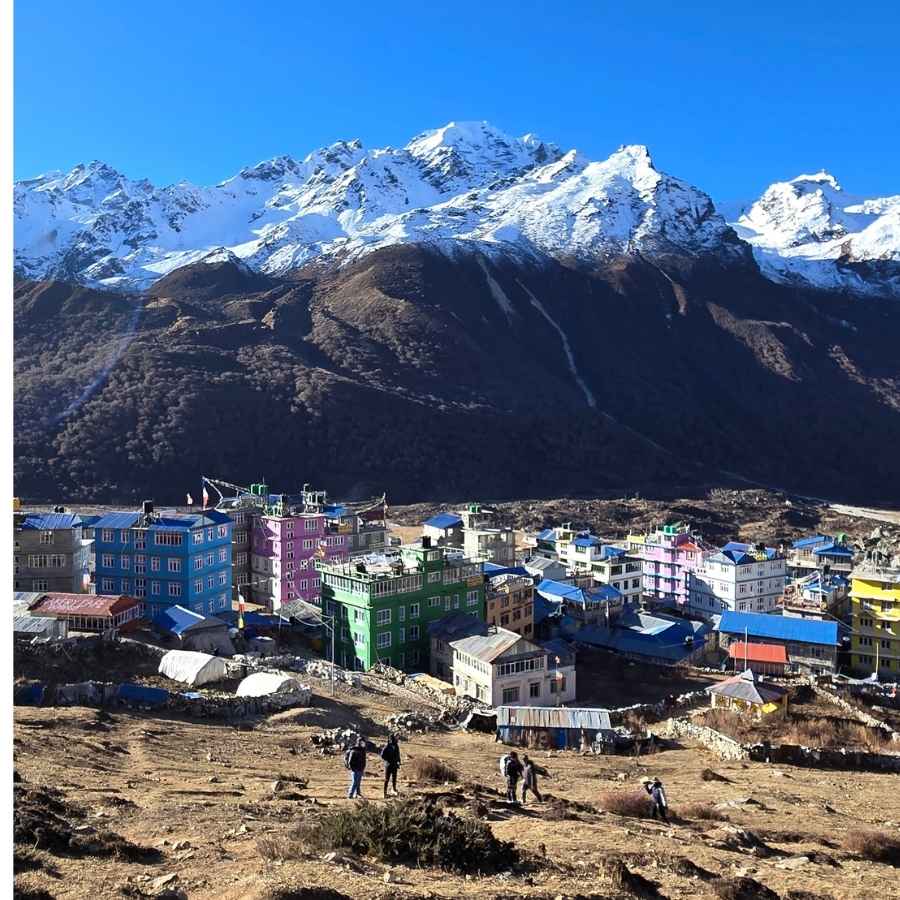
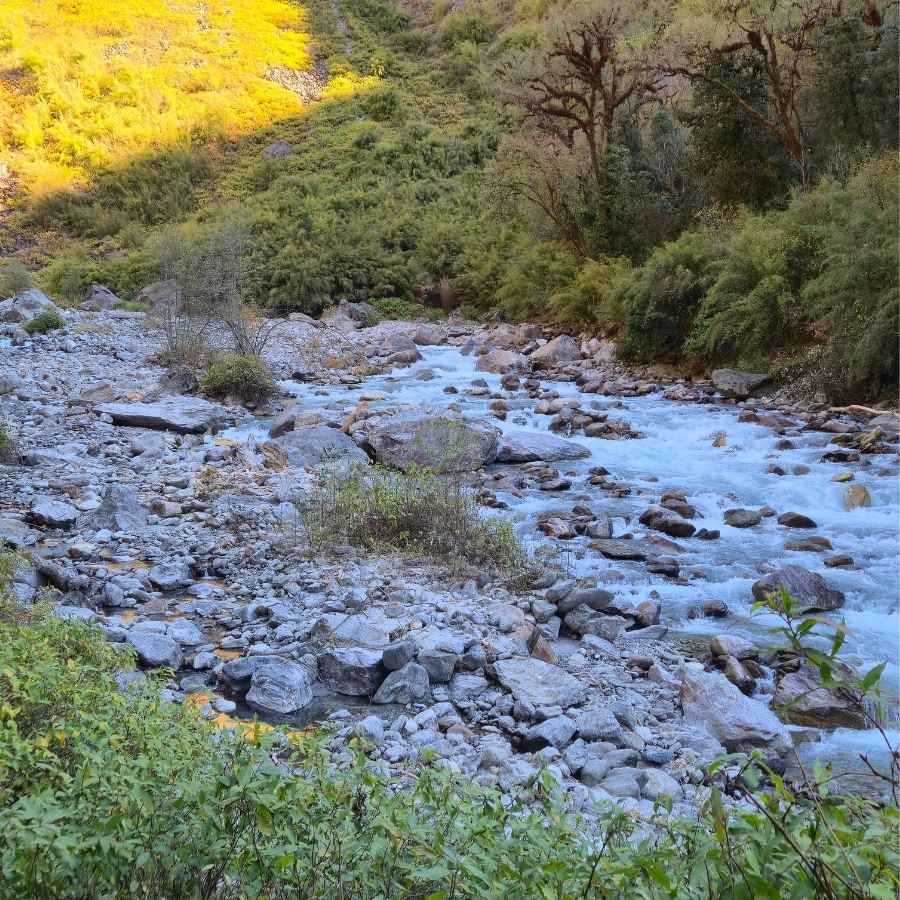
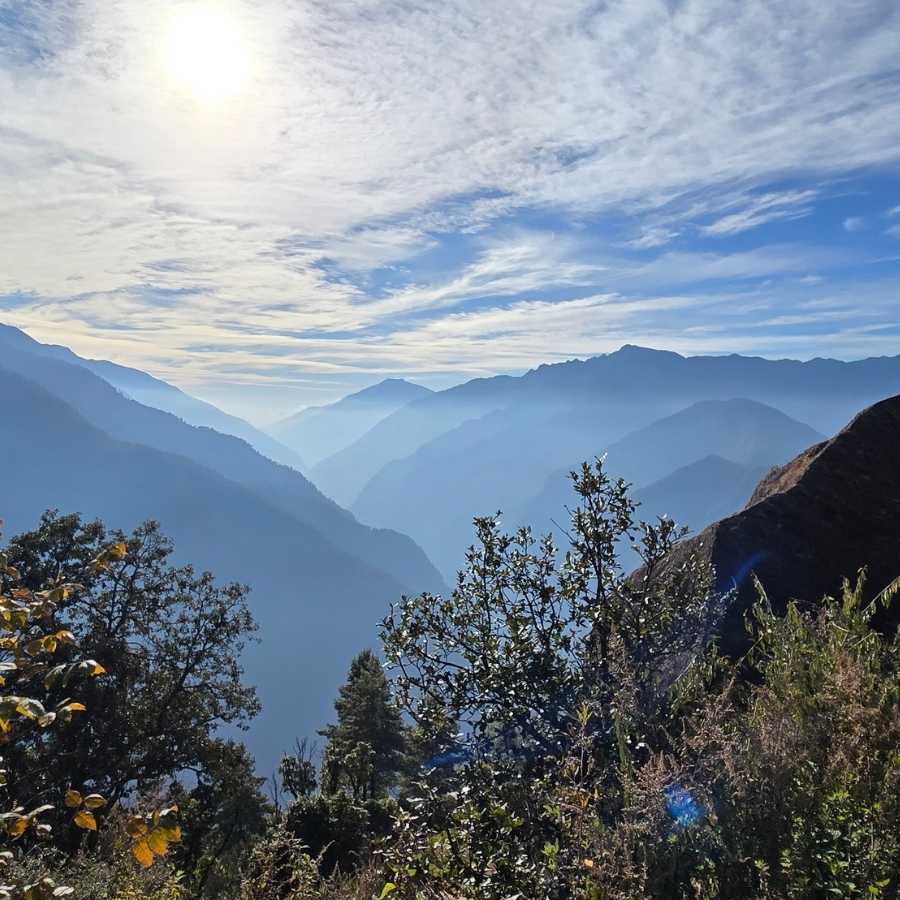
Photos of Langtang Valley in Autumn
We have attached some photos from the Autumn season to give you an idea of what the Autumn season might look like in Langtang Valley.
Spring is the Second Best Season To Trek in Langtang Valley
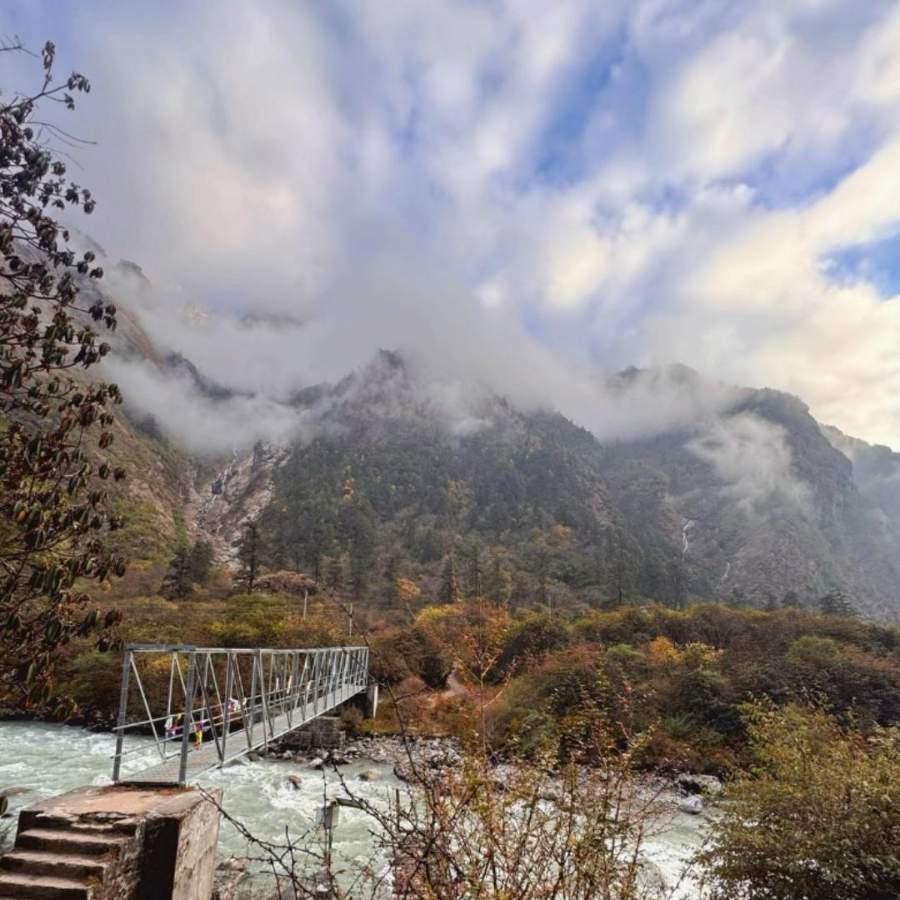
Spring is the second-best season to trek in the Langtang Valley. While the views may not be quite as sharp as in Autumn, the blooming rhododendrons and warm temperatures make it a fantastic choice. During the spring, you may encounter occasional clouds or fog, but these are usually temporary and rarely obscure the mountain views for long.
Spring Season Months
Months: March, April, and May.
Client Reviews: Spring Season
Here is what our trekkers loved about their Spring journey:
“Our trek was like a dream with all the red rhododendrons blooming everywhere along the trail. We weren’t sure what to expect, but the Trek Langtang team promised it’d be beautiful, and they were so right the forests looked like something out of a movie.”
“The weather was just right too, not too cold but perfect for walking all day long. Seeing the baby yaks in the high pastures and the snow still sitting on the peaks while the flowers were out was just incredible. So happy we chose this time to go!”
Tips for Trekking in Spring
- Start Early: To get the best views, begin your hike early in the morning before clouds tend to form in the afternoon or evening.
- Stay Hydrated: With warmer temperatures, it is essential to drink plenty of water throughout the day.
- Book Ahead: Spring is a popular time for trekkers, so we recommend booking your accommodation in advance.
- Protect the Flora: Please do not break rhododendron branches. Once a branch is broken, the flowers cannot regenerate on that same branch. Additionally, picking flowers is against National Park laws and can result in action from park rangers.
Photos of Langtang Valley in Spring
We have attached some photos from the spring season to give you an idea of what the spring season might look like in Langtang Valley.



Winter Season Trekking in Langtang Valley
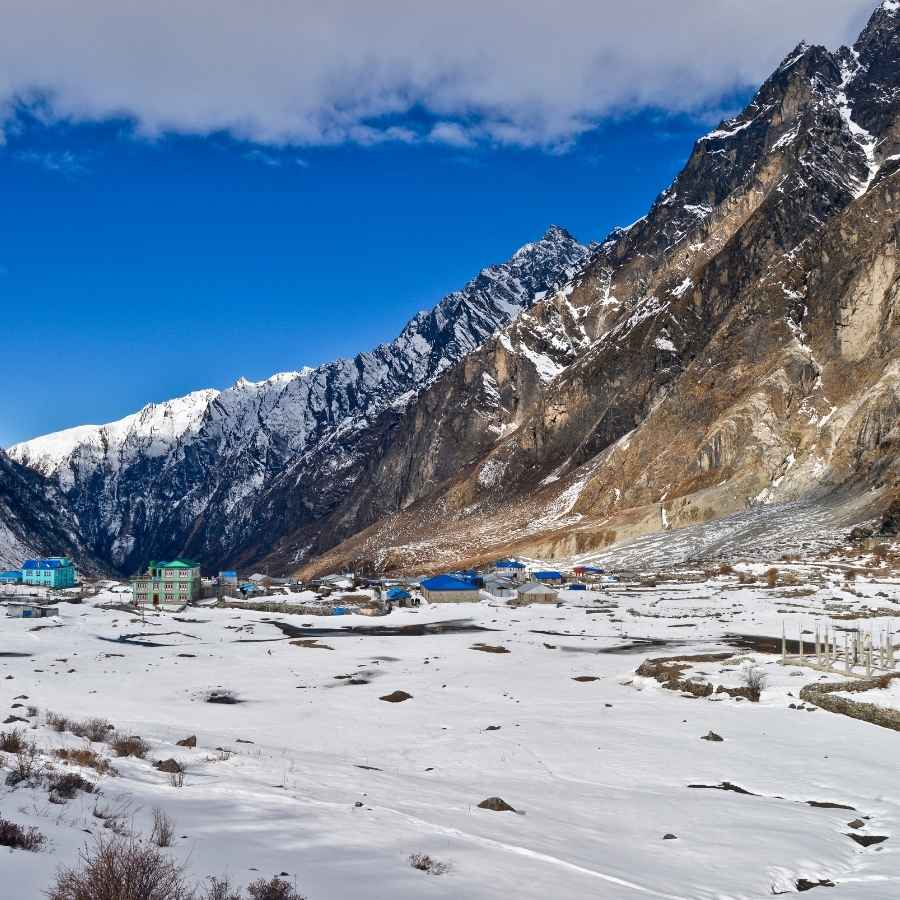
We generally do not recommend trekking in the Langtang Valley during the winter season. During this time, heavy snowfall covers the trails, making walking difficult and often obscuring the path entirely. Additionally, persistent fog and clouds frequently cover the mountains, meaning trekkers often will not get a clear view of the peaks.
Winter Season Months
Months: Late December, January, and February
Tips for Trekking in Winter
- Dress for Extreme Cold: Wear multiple layers and ensure you carry a high-quality waterproof jacket.
- Use a High-Altitude Sleeping Bag: Nighttime temperatures can drop as low as -20°C; a proper sleeping bag is essential for survival and comfort.
- Book Accommodations in Advance: Many teahouses close during the winter due to the extreme temperatures, so confirm availability beforehand.
- Build in Buffer Days: Keep a few extra days in your itinerary in case of travel delays caused by heavy snow.
- Protect Your Electronics: Extreme cold can drain batteries rapidly; keep your devices inside your sleeping bag or close to your body.
Photos of Langtang Valley in Winter
We have attached some photos from the winter season to give you an idea of what the winter season might look like in Langtang Valley.

Monsoon Season Trekking in Langtang Valley
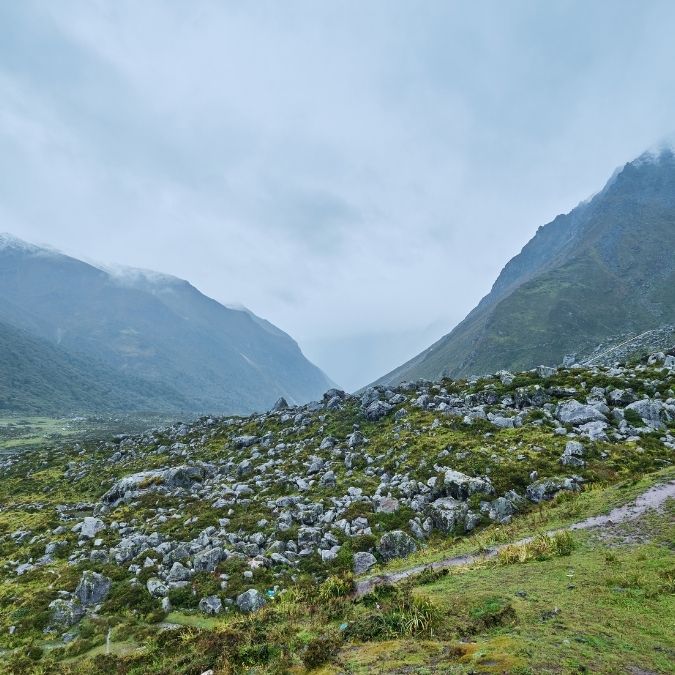
Monsoon season trekking is characterized by muddy roads and trails, cloudy skies (often with no views for weeks), lush greenery everywhere, and high-current rivers. Additionally, roads may be blocked for hours due to landslides. There are very few trekkers during the monsoon, so you will find quiet trails. For the average trekker, we do not recommend trekking during this season.
Monsoon Season Months
Months: June, July, August, and September.
Note on September: As noted above, there is a chance that rainfall may occur in September due to shifts in weather, so we have categorized it under both the Autumn and Monsoon season.
Tips for Trekking in Monsoon Months
- Start Early: Begin your trek early each day to try to avoid the heavy afternoon rain showers.
- Pack Waterproof Gear: Ensure you have high-quality waterproof gear to protect yourself against heavy rainfall.
- Protect Your Belongings: Use waterproof dry bags or covers to protect your electronics and extra clothes from the rain.
- Monitor the Forecast: Keep a close track of weather forecasts and local reports regarding trail conditions.
- Enjoy the Solitude: Take advantage of the quiet trails and the lack of crowds.
Photos of Langtang Valley in Monsoon Season
We have attached some photos from the monsoon season to give you an idea of what the monsoon season might look like in Langtang Valley.
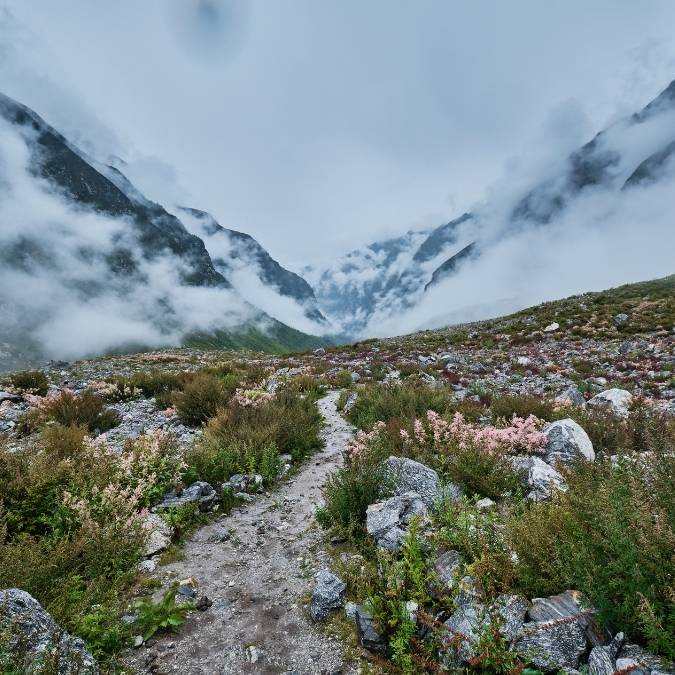
Best Months to Trek in Langtang
We have already discussed the most recommended seasons for trekking in the Langtang Valley: Autumn and Spring. Now, we will break down the best specific months to trek.
We have ranked these months based on the general conditions likely to occur, drawing from our past experience and historical data. Also, we have included the average daytime and nighttime temperatures for villages in the Langtang valley during the best months to trek. However, always keep in mind that weather in the Himalayas is unpredictable; occasionally, even during the “best” times, clouds may block mountain views.
The best months to trek in Langtang (ranked):
- October
- April
- November
- December (Early)
- March
- May
- September
October
October is widely considered the best month for the Langtang Trek due to its clear skies, lush greenery, and fresh air. The waterfalls on every cliff are revived from the preceding monsoon season, and the month falls within the peak of the Autumn season. During this time mountain views from Tserko Ri, Kyanjin Ri, and Kyanjin Gompa are crystal clear. You will find beautiful green meadows at higher altitudes, while at lower elevations you will walk through lush forests alongside the rushing Langtang River.
Temperature in October Month
| Village/Settlement | Average Daytime Temperature | Average Nighttime Temperature |
|---|---|---|
| Syabrubesi | 20°C to 24°C | 10°C to 13°C |
| Sherpagaon | 15°C to 18°C | 6°C to 9°C |
| Lama Hotel | 15°C to 18°C | 5°C to 8°C |
| Thangshyap | 12°C to 15°C | 2°C to 5°C |
| Langtang Village | 10°C to 13°C | 0°C to 3°C |
| Kyanjin Gompa | 8°C to 11°C | -3°C to 1°C |
April
April falls within the mid of Spring season, and the skies are generally clear with greenery returning to the Langtang Valley. Although the clarity may not be as sharp as in Autumn, April makes up for it with stunning rhododendron blooms that range from deep red to soft pink at higher altitudes.
Temperature in April Month
| Village/Settlement | Average Daytime Temperature | Average Nighttime Temperature |
| Syabrubesi | 22°C to 26°C | 11°C to 14°C |
| Sherpagaon | 17°C to 20°C | 7°C to 10°C |
| Lama Hotel | 16°C to 19°C | 6°C to 9°C |
| Thangshyap | 13°C to 16°C | 3°C to 6°C |
| Langtang Village | 11°C to 14°C | 1°C to 4°C |
| Kyanjin Gompa | 9°C to 12°C | -2°C to 2°C |
November
The conditions for Langtang Trek in November are very similar to October, though it can get a bit chilly at higher altitudes. It is the third-best month for the Langtang Trek. Much of the greenery from October remains through November. Also, as the month draws to a close, the crowds decrease, allowing trekkers who value solitude to enjoy scenery as spectacular as October’s but with fewer people.
Temperature in November Month
| Village/Settlement | Average Daytime Temperature | Average Nighttime Temperature |
| Syabrubesi | 18°C to 22°C | 8°C to 11°C |
| Sherpagaon | 13°C to 16°C | 4°C to 7°C |
| Lama Hotel | 12°C to 15°C | 3°C to 6°C |
| Thangshyap | 9°C to 12°C | -1°C to 2°C |
| Langtang Village | 7°C to 10°C | -3°C to 0°C |
| Kyanjin Gompa | 5°C to 8°C | -7°C to -3°C |
December (Early; till Dec 20)
December marks the beginning of the winter season in Nepal, so nighttime temperatures start to drop below freezing, especially in Kyanjin Gompa. However, daytime temperatures remain mild in the early December (up to Dec 20), and a down jacket is usually sufficient to handle the cold. The views are also crystal clear most of the time. While most of the greenery at higher altitudes fades by December, the brown meadows possess a unique beauty of their own.
Temperature in December Month
| Village/Settlement | Average Daytime Temperature | Average Nighttime Temperature |
| Syabrubesi | 15°C to 18°C | 5°C to 8°C |
| Sherpagaon | 10°C to 13°C | 1°C to 4°C |
| Lama Hotel | 9°C to 12°C | 0°C to 3°C |
| Thangshyap | 6°C to 9°C | -4°C to -1°C |
| Langtang Village | 4°C to 7°C | -7°C to -4°C |
| Kyanjin Gompa | 2°C to 5°C | -12°C to -8°C |
March
March is the first month of the Spring season. It features blooming rhododendrons along the trail starting from Syabrubesi, with conditions similar to April. However, there may be more cloud cover than in April. As mentioned previously, the clouds this month do not linger for days; they typically clear out within a few hours.
Temperature in March Month
| Village/Settlement | Average Daytime Temperature | Average Nighttime Temperature |
| Syabrubesi | 18°C to 22°C | 8°C to 11°C |
| Sherpagaon | 13°C to 16°C | 4°C to 7°C |
| Lama Hotel | 12°C to 15°C | 3°C to 6°C |
| Thangshyap | 9°C to 12°C | -2°C to 1°C |
| Langtang Village | 6°C to 9°C | -5°C to -2°C |
| Kyanjin Gompa | 4°C to 7°C | -10°C to -6°C |
May
May is the final month of the Spring season. Early May offers clear weather and the last of the rhododendron blooms in Langtang region. By late May, the air can become hazier as clouds begin to build up. On the plus side, the trails are quieter, making this an ideal time for trekkers who prefer solitude.
Temperature in May Month
| Village/Settlement | Average Daytime Temperature | Average Nighttime Temperature |
| Syabrubesi | 24°C to 28°C | 13°C to 16°C |
| Sherpagaon | 19°C to 22°C | 9°C to 12°C |
| Lama Hotel | 18°C to 21°C | 8°C to 11°C |
| Thangshyap | 15°C to 18°C | 5°C to 8°C |
| Langtang Village | 13°C to 16°C | 3°C to 6°C |
| Kyanjin Gompa | 10°C to 13°C | 0°C to 3°C |
September
September marks the start of the Autumn season. Recently, some monsoon rain has been spilling over into September, making the weather somewhat unpredictable. In ideal conditions, the views are clear and the air is crisp; however, lingering rainfall can still bring a few days of cloud cover and a few hours of road blockage up to Syabrubesi.
Temperature in September Month
| Village/Settlement | Average Daytime Temperature | Average Nighttime Temperature |
| Syabrubesi | 23°C to 27°C | 14°C to 17°C |
| Sherpagaon | 18°C to 21°C | 10°C to 13°C |
| Lama Hotel | 17°C to 20°C | 9°C to 12°C |
| Thangshyap | 14°C to 17°C | 6°C to 9°C |
| Langtang Village | 12°C to 15°C | 4°C to 7°C |
| Kyanjin Gompa | 9°C to 12°C | 1°C to 4°C |
Frequently Asked Questions
What are the four distinct trekking seasons in Langtang Valley?
The four distinct trekking seasons in Langtang Valley are Spring (March to May), Monsoon/Summer (June to September), Autumn (September to Early December), and Winter (Late December to February).
Which month is the “best” to trek Langtang?
October is the best month to trek the Langtang Valley. It offers the perfect balance of mild daytime temperatures, high visibility, and dry trail conditions. Coming right after the monsoon, the air is incredibly fresh, and the mountain peaks are most likely to be cloud-free.
Why is Autumn considered the peak season for this trek?
Autumn (specifically October and November) is the peak season because it provides the most stable weather conditions in the Himalayas. After the summer rains wash away the dust, trekkers enjoy high-definition views of Langtang Lirung, deep blue skies, and comfortable trekking temperatures that are neither too hot nor dangerously cold.
What makes Spring the second most popular time to visit?
Spring is the second most popular season due to the vibrant flora and moderate weather. Between March and May, the lower hills of the Langtang region are covered in blooming red, pink, and white rhododendrons. Additionally, the temperatures are warmer than in Autumn, making it a favorite for those who prefer milder nights and vibrant nature.
Is it possible to trek Langtang Valley year-round?
Yes, it is physically possible to trek Langtang year-round, but it is not always recommended. Winter treks face extreme cold and snow-blocked trails, while Monsoon treks involve leeches, slippery paths, and potential landslides.
How does the weather in Langtang compare between Spring and Autumn?
The main difference lies in visibility and temperature. Autumn offers generally cooler but much sharper, more consistent mountain views and drier trails. Spring offers warmer temperatures and beautiful flowers, but with a higher chance of afternoon cloud buildup and haze at lower altitudes.
What are the pros and cons of trekking in the “off-season”?
Trekking during the Winter or Monsoon (off-season) has distinct trade-offs. The pros include entirely quiet trails, lower costs, and a more authentic experience with locals without the “tourist rush.” The disadvantages are high risk of rain or heavy snow, obscured mountain views, potential flight/transport delays, and many teahouses may be closed.
Is Langtang Valley more or less crowded than the Everest region during peak months?
Langtang Valley is significantly less crowded than the Everest Base Camp or Annapurna Circuit treks. Even during the peak months of October and April, Langtang retains a peaceful atmosphere.
What is the average daytime temperature in Langtang during October?
The average daytime temperature in Langtang during October typically ranges between 10°C and 15°C, making it a comfortable month for trekking.
How cold does it get at night in Kyanjin Gompa during the winter?
During the winter months of January and February, nighttime temperatures in Kyanjin Gompa frequently plummet to -15°C or even -20°C. Because this high-altitude settlement sits at approximately 3,800 meters, the lack of solar radiation at night leads to extreme freezing conditions that require high-quality insulated gear.
When does the monsoon season officially start and end in the valley?
The monsoon season in the Langtang Valley officially begins in early June and concludes by the end of August. However, due to shifting global climate patterns, it is common for heavy pre-monsoon rains to start in late May or for the tail end of the monsoon to linger into the last week of September.
How does altitude affect the temperature as you move from Syabrubesi to Kyanjin Gompa?
Altitude drastically influences temperature as you ascend from Syabrubesi (1,460m) to Kyanjin Gompa (3,830m). Following the standard environmental lapse rate, you can expect the temperature to drop by approximately 6.5°C for every 1,000 meters of elevation gain, meaning Kyanjin Gompa is usually 15°C colder than the Syabrubesi.
Does it snow in Langtang during the Spring months?
Snowfall is quite common in Langtang during the early Spring months of March and early April. While the lower forest sections remain clear, the upper reaches around Kyanjin Gompa and the Tserko Ri viewpoint often have significant snow accumulation from winter that has not yet melted, occasionally requiring the use of crampons.