Kyanjin Gompa: History, Weather, Tea Houses, Map
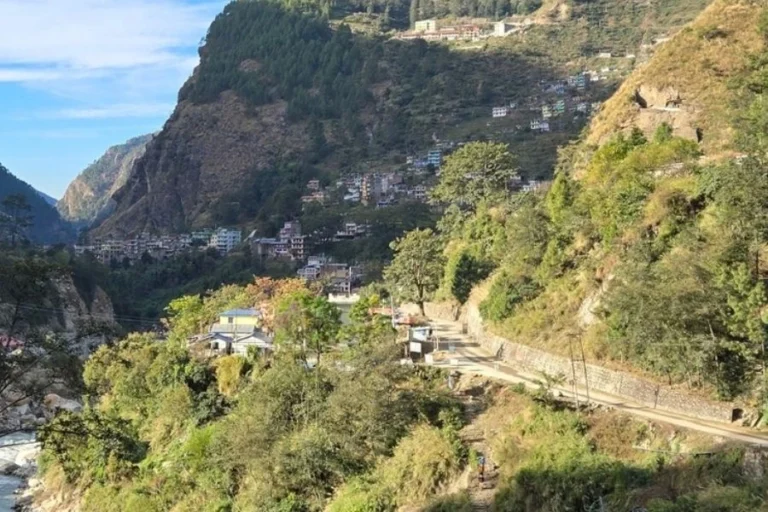
Kyanjin Gompa is one of the popular, high-altitude villages of the Langtang Valley of Nepal, known for its cultural heritage, alpine geography, and strategic importance along the Langtang trekking route. The village sits at 3,870 meters, where the terrain transitions from forested lower valleys to open sub‑alpine landscapes shaped by glaciers, moraines, and steep ridges. From this position, Kyanjin Gompa serves as both a cultural center and a functional stop for trekkers moving through the upper Himalayan region.
This comprehensive guide explores the complete historical, environmental, and economic profile of Kyanjin Gompa. Readers will discover the settlement’s mythological “Camel Ribs” etymology and review its resilient infrastructure reconstruction following the devastating 2015 Himalayan earthquake. The content outlines updated 2026 weather patterns—reflecting climate-driven shifts in the monsoon and autumn trekking seasons—to help climbers safely plan their ascents up neighboring trekking peaks like Kyanjin Ri and Tserko Ri.
Additionally, this guide details the village’s modern trekking infrastructure and local livelihood. It catalogs prominent high-altitude teahouses and bakeries, examines the historic 1955 Kyanjin Yak Cheese Factory, and maps the regional topography fed by the glacial meltwater of the Langtang Khola river. Finally, the text categorizes the specialized alpine flora and fauna that share this fragile ecosystem, from elusive Snow Leopards to the ubiquitous Himalayan Yaks that transport gear and sustain the valley’s dairy economy.
10 Interesting Facts About Kyanjin Gompa
Here are the 10 fascinating and insightful facts about Kyanjin Gompa:
- The Name “Kyanjin” Means “Camel Ribs”. The word Kyanjin comes from two local terms: “Kyan” (camel) and “Jin” (ribs). Early Tibetan settlers gave it this name because they built the original stone monastery on a massive rock formation that closely resembled animal bones.
- The Valley Was Named After a Lost Yak. According to regional folklore, a Tibetan monk originally discovered the region while tracking a lost yak. The valley’s name, “Langtang,” literally translates to this event: “Lang” means yak, and “tang” means to follow.
- Kyanjin Gompa is a 300-Year-Old Settlement at 3,870 Meters. Kyanjin Gompa sits at a towering elevation of 3,870 meters (12,696 feet). The 300-year-old settlement serves as the final accommodation village in the Langtang Valley and the primary spiritual center for the region’s Lama Tamang ethnic community.
- The Community Took Over the Monastery After the 2015 Earthquake. Following the devastating 7.8-magnitude earthquake in 2015, the local Tamang village residents took over the daily maintenance and stewardship of the Kyanjin Monastery to preserve their cultural heritage, completely replacing the traditional resident monks.
- The Kyanjin Gompa Village Was Relocated to Avoid Avalanches. The 2015 earthquake triggered a massive avalanche, dropping 14.38 million cubic meters of rock and ice on the neighboring Langtang Village. During reconstruction, engineers safely relocated the main settlement 100 meters above the original ruins to avoid future avalanche paths.
- Kyanjin Gompa houses a 1955 Swiss-Backed Cheese Factory. Established in 1955 with Swiss expertise, the village operates a historic Yak Cheese Factory. Interestingly, the cheese is not actually made from male yaks, but rather from the milk of female yaks, which are known locally as “Naks.”
- Climate Change Has Permanently Altered Kyanjin Gompa Weather Seasons. Rising Himalayan temperatures have pushed back the start of the autumn trekking season by approximately 10 days. The monsoon season now brings heavy rain into early October (around October 5), while the extended autumn allows high-altitude trekking to safely continue deep into mid-December.
- Kyanjin Gompa sits in a Rare, Flat Glacial Basin. Unlike the steeply pitched slopes characteristic of most Himalayan settlements, Kyanjin Gompa was built in a rare, flat glacial basin. This topography acts as a natural amphitheater, protecting the village’s 50+ guesthouses from extreme wind shear.
- Kyanjin Gompa is the Basecamp for Over 10,000 Annual Climbers. The village acts as the staging ground for three major trekking peaks: Kyanjin Ri (4,773 meters), Tserko Ri (4,984 meters), and Yala Peak (5,520 meters). Every year, over 10,000 climbers attempt to summit these surrounding peaks to acclimatize and build red blood cell counts.
- The Remote Village Runs on 100% Renewable Energy. Despite its rugged location, the modern settlement provides amenities like solar-powered Wi-Fi to over 15,000 international trekkers annually. The entire hospitality grid is powered by a dedicated local micro-hydropower plant and ubiquitous rooftop solar arrays.
Table of Contents
History and Myths of Kyanjin Gompa
Kyanjin Gompa is a 400-year-old Tibetan Buddhist monastery and the last village of the Langtang Valley on the east side located at 3,870 meters in Nepal’s Langtang Valley. The site serves as the primary spiritual center for the region’s Lama Tamang ethnic community.
The early settlement developed around the monastery as Tibetan‑origin families migrated into the region generations ago. These families brought linguistic and cultural traditions that remain present in the village today. The monastery served as the religious center for these communities, functioning as a shared space for rituals, gatherings, and preservation of Buddhist teachings.
Historical development in Kyanjin Gompa also reflects changes brought by trekking activity. Trekking began in the region around the early 1960s with simple camping routes, followed by the establishment of the first tea houses in the 1980s. These developments increased interaction between the monastery, local residents, and visitors, gradually transforming the village into a key stop along the Langtang Valley route.
Key historical and mythological events define the Gompa’s legacy:
- The Yak Legend: Regional folklore states a Tibetan monk discovered the Langtang Valley centuries ago while tracking a lost yak across the high mountain passes.
- Valley Naming: The name “Langtang” directly records this discovery. In the local dialect, “Lang” means yak, and “tang” means to follow.
- Community Stewardship: Following the devastating 2015 Himalayan earthquake, village residents took over the daily maintenance of the monastery to preserve their cultural heritage, replacing the traditional resident monks.
These historical layers define Kyanjin Gompa as both a cultural settlement and a longstanding religious site in the upper Himalayan landscape.

The Etymology of Kyanjin Gompa
The word “Kyanjin” originates from a specific geographical myth tied directly to the monastery’s physical foundation. Early Tibetan settlers built the original stone structure on a massive rock formation that closely resembled animal bones.
The translation breaks down into two distinct local terms:
- Kyan: Translates to “camel.”
- Jin: Translates to “ribs.”
By naming the monastery “Camel Ribs,” the founders permanently anchored the sacred site to its physical environment. This literal naming convention helped early Himalayan traders and herders identify the exact location of the Gompa along rugged mountain routes.
Kyanjin Gompa Today
As of 2026, Kyanjin Gompa is a major high-altitude trekking hub and acclimatization center located in Nepal’s Langtang National Park. Situated at 3,870 meters, the village provides essential lodging and resources for mountaineers. Climbers rest at Kyanjin Gompa to acclimatize to the thin Himalayan air—so they can safely summit technical mountains like Yala Peak and Gangchempo Peak.
The modern Kyanjin Gompa settlement features earthquake-resistant concrete lodges. These updated structures replaced traditional stone tea houses to provide trekkers with modern amenities, including solar-powered Wi-Fi, in-room plugs, and attached bathrooms.
Trekkers visiting Kyanjin Gompa today experience three primary cultural and geographical landmarks:
- The Kyanjin Monastery: This rebuilt Tibetan Buddhist monastery serves as the spiritual center for the local Lama Tamang community and hosts daily meditation rituals.
- The Kyanjin Yak Cheese Factory: Established in 1955 with Swiss expertise, this enterprise produces traditional yak cheese. The factory sustains the local economy and offers tasting tours to international visitors.
- Tserko Ri Viewpoint: The 4,984-meter peak gives hikers panoramic views of Langtang Lirung and the Ganesh Himal mountain range.
Over 15,000 international trekkers visit the Langtang Valley annually to experience Himalayan wilderness and local Tamang culture without the extreme crowding found on the Everest Base Camp routes.

Kyanjin Gompa Earthquake: Impact and Reconstruction Effort
On April 25, 2015, a 7.8-magnitude earthquake devastated the Langtang Valley. The seismic shock triggered a massive avalanche off the Langtang Lirung mountain peak. According to a 2015 United States Geological Survey (USGS) report, 14.38 million cubic meters of rock and ice buried the neighboring Langtang Village.
The resulting air pressure wave destroyed infrastructure across the entire valley, including the original Kyanjin Gompa monastery and dozens of surrounding guesthouses. The disaster killed over 300 people in the region and completely halted the local tourism economy.
Following the earthquake, the local Tamang community formed the Langtang Management and Reconstruction Committee. Lhakpa Tamang, secretary of the reconstruction committee, organized grassroots rebuilding efforts to restore the village infrastructure. The reconstruction process utilized local labor and international aid to achieve three critical recovery outcomes:
- Safer Relocation: Engineers relocated the main Langtang village settlement 100 meters above the original ruins to avoid future avalanche paths.
- Resilient Infrastructure: Builders constructed new lodges using reinforced concrete and wider structural spacing. This method drastically improves earthquake resistance compared to traditional timber homes.
- Trail Restoration: Volunteers repaired the main Langtang trekking route by installing stone stairs and metal railings to prevent landslide accidents.
Today, the rebuilt Kyanjin Gompa generates vital income for the Langtangpa people. Visitors directly fund ongoing community development by purchasing local goods, hiring Tamang guides, and staying in locally-owned lodges.

Kyanjin Gompa Weather
Rising Himalayan temperatures permanently altered Kyanjin Gompa’s seasonal weather patterns. According to an International Centre for Integrated Mountain Development (ICIMOD) climate report and recent field observations, global climate change shortened the local winter and delayed the autumn trekking season by approximately 10 days.
These climatic shifts dictate new scheduling rules for modern trekkers. Climbers must ignore outdated historical itineraries that recommend mid-September departures. Today, a delayed monsoon system drops heavy rainfall across the Langtang Valley well into early October. Conversely, the newly extended autumn season provides safe, high-altitude trekking conditions until mid-December—a period historically considered too cold for standard expeditions.
To plan a successful Kyanjin Gompa trek, visitors must align their expeditions with the current 2026 seasonal timeline rather than the historical 2010 baseline:
- Monsoon (Mid-June to October 5): This period extended past its historical early-September end date. It now brings prolonged heavy rain, obscured mountain views, and increased landslide risks into early October.
- Autumn (October 5 to December 20): This primary trekking window shifted backward from its historical mid-September start. It now offers the most reliable clear skies and moderate temperatures for summiting nearby peaks deep into December.
- Winter (December 20 to February): The winter season shrank significantly from its historical early-December start, though it still brings freezing temperatures and heavy snow to the 3,870-meter village.
- Spring (March to May): This season remained stable through the climate shifts, continuing to offer clear climbing windows and moderate valley temperatures.
Trekking Peaks Around Kyanjin Gompa
Kyanjin Gompa serves as the primary basecamp for three distinct high-altitude trekking peaks in the Langtang Valley. Mountaineers and acclimatizing trekkers climb these summits to build red blood cell counts, test extreme-weather gear, and prepare for higher Himalayan expeditions. Over 10,000 climbers attempt these surrounding peaks annually to experience panoramic views of the Langtang Lirung, Dorje Lakpa, and Ganesh Himal mountain ranges.
Kyanjin Gompa to Kyanjin Ri
Kyanjin Ri (4,773 meters) offers the most accessible acclimatization climb directly adjacent to the Kyanjin Gompa settlement. The round-trip expedition requires three hours of steep, non-technical hiking. Climbers navigate a rocky switchback trail to reach the summit’s prayer-flag-draped viewpoint. From this ridge, hikers photograph unobstructed perspectives of the Langtang Lirung glacier and the valley floor below. Local guides recommend this specific route for first-day acclimatization before attempting higher valley elevations.
Kyanjin Gompa to Tserko Ri
Tserko Ri (4,984 meters) demands a full-day, eight-hour alpine ascent. The grueling 1,100-meter elevation gain tests cardiovascular endurance and altitude tolerance. Trekkers cross frozen streams, navigate loose boulder fields, and push through high-wind exposure to reach the summit plateau. The peak provides 360-degree vistas of the entire Langtang range, including Kinshung and Yubra Himal. Approximately 60% of Kyanjin Gompa visitors complete this climb to maximize their high-altitude exposure before descending the valley.
Kyanjin Gompa to Yala Peak
Yala Peak (5,520 meters) transitions hikers from standard trekking into technical mountaineering. The two-day expedition requires climbers to establish a temporary high camp at 4,800 meters before initiating a pre-dawn summit push. Mountaineers must utilize specialized alpine equipment—including crampons, ice axes, and fixed ropes—to safely navigate the final glacial headwall. The Nepal Mountaineering Association categorizes Yala Peak as an official “trekking peak,” making it a premier training ground for novice climbers preparing for 6,000-meter commercial objectives.
Kyanjin Gompa Map and Geography
Kyanjin Gompa anchors the upper reaches of Nepal’s Langtang National Park. Situated at 3,870 meters, this remote settlement functions as the geographic terminus for the standard Langtang Valley trek and the primary staging ground for high-altitude alpine expeditions.

Kyanjin Gompa Map
The regional trekking map highlights Kyanjin Gompa’s strategic location near the Tibetan border. Cartographers map the village approximately 30 kilometers northeast of the Syabrubesi trailhead. The route illustrates a steady elevation gain alongside the Langtang Khola river, routing trekkers through lower forest zones before opening into the high alpine tundra that defines the Kyanjin settlement.
Topography of Kyanjin Gompa
Unlike the steeply pitched slopes typical of Himalayan villages, Kyanjin Gompa occupies a rare, flat glacial basin. The topography transitions abruptly from vertical alpine ridges to a wide, gentle valley floor. This natural amphitheater of rock and ice protects the 300-year-old settlement from extreme wind shear while providing stable, buildable ground for over 50 guesthouses, a historic yak cheese factory, and the central Buddhist monastery.
Mountains Around Kyanjin Gompa
Kyanin Gompa is surrounded by mountains from three sides, except for the west side. The below point lists some of the notable peaks surrounding Kyanjin Gompa Village.
- Langtang Lirung (7,227 meters)
- Yala Peak (5,520 meters)
- Ganchenpo (6,387 meters)
- Pangen Dopku (5,930 meters)
- Naya Kanga (5,844 meters)
Rivers and Glacial Meltwater Tributaries
Gravity and immense ice weight drive the massive Langtang Lirung Glacier downward, continuously reshaping the valley floor. This active glacial movement generates vital meltwater that feeds directly into the Langtang Khola river. The Langtang Khola sustains local highland agriculture, powers regional micro-hydroelectric systems, and ultimately merges into the larger Trisuli Gandaki river network. Consequently, thousands of downstream Nepali communities rely directly on these high-altitude Kyanjin tributaries for their daily drinking water and agricultural irrigation.
Access & Routes to Kyanjin Gompa
Kyanjin Gompa is reached by first traveling from Kathmandu to Syabrubesi, the main trailhead of the Langtang Valley. The drive takes 6–8 hours by bus or jeep, depending on road conditions.
Syabrubesi sits beside the Bhote Koshi River and functions as the entry point for all trekking routes that lead toward Kyanjin Gompa. From Syabrubesi, the trek proceeds through a sequence of established villages inside Langtang National Park.
This is the standard and most commonly used route:
- Syabrubesi → Lama Hotel
The trail climbs through bamboo and rhododendron forests, passing through Bamboo and Rimche before reaching Lama Hotel. - Lama Hotel → Ghodatabela → Langtang Village
The path follows the Langtang Khola, entering wider terrain near Ghodatabela and continuing to Langtang Village. - Langtang Village → Mundu → Kyanjin Gompa
The final section has a gradual ascent, passing mani walls and open alpine terrain before arriving at Kyanjin Gompa at 3,870 meters.
This complete route covers approximately 30 km of walking from Syabrubesi to Kyanjin Gompa, gaining more than 2,300 meters in elevation.
Teahouses in Kyanjin Gompa
Kyanjin Gompa features a robust hospitality network of high-altitude teahouses, modernized lodges, and specialized bakeries that sustain thousands of annual trekkers. Local Tamang families manage over a dozen prominent accommodations—such as the historic Kyanjin Lodge, the family-run Buddha Guest House, and the newly upgraded Holyland Guest House. These facilities provide essential trekking infrastructure, offering hikers attached bathrooms, hot meals, and secure lodging before high-altitude summit attempts.
Several specialized establishments define the Kyanjin Gompa lodging experience:
- High-Altitude Bakeries: Dorje Bakery & Cafe and various smaller “German” bakeries serve fresh coffee and pastries to weary hikers, providing a vital caloric recovery option.
- Teahouses: Yala Peak Guest House, Nayakhanga Peak Guest House, Hotel Super View, and Namaste Guest House maintain reliable, traditional lodging for large commercial trekking groups.
A dedicated local micro-hydropower plant and widespread rooftop solar arrays power this entire hospitality grid. This renewable energy infrastructure ensures lodges can reliably operate solar water heaters and provide continuous electricity for modern trekkers. Additionally, local authorities manage a central Park Checkpoint within the village to register arriving hikers and monitor valley security.
Flora and Fauna of Kyanjin Gompa
The Kyanjin Gompa micro-environment supports a highly specialized ecosystem of resilient alpine flora and Himalayan fauna. This high-altitude habitat sustains numerous mammal and bird species specifically adapted to survive extreme cold and rugged terrain.
Specific functional categories organize the local wildlife:
- Working Bovines: Himalayan Yaks (Bos grunniens) and Dzos (yak-cow hybrids) transport heavy expedition loads across the valley. Female yaks, known locally as Naks, supply the essential milk that the Kyanjin cheese factory processes daily.
- Mountain Ungulates: Blue Sheep (Bharal) and Himalayan Tahr continuously navigate the steep cliffs and slopes of Kyanjin Ri to forage for sparse alpine vegetation.
- Apex Predators and Scavengers: Elusive Snow Leopards (Panthera uncia) hunt the local ungulate populations. Above the peaks, massive Himalayan Griffon Vultures ride the thermal currents to scavenge valley remains.
- Small Mammals and Ground Birds: Pikas dart rapidly among the valley boulders to avoid predators. The surrounding brush conceals the vibrant Himalayan Monal (Danphe)—Nepal’s national bird—and the large, partridge-like Tibetan Snowcock.
Hardy plant life anchors this fragile ecosystem. Seabuckthorn shrubs (Hippophae) produce nutrient-dense berries along the Langtang Khola riverbanks, while local residents harvest Juniper bushes extensively to manufacture religious incense. During the heavy monsoon season, local foragers collect edible mountain fungi, and the subsequent spring season triggers widespread blooms of alpine wildflowers across the glacial meadows.
Local Economy and Livelihood in Kyanjin Gompa
The local economy of Kyanjin Gompa is shaped by its high‑altitude environment and its role as the final settlement on the Langtang Valley Trek. Tourism is the primary economic driver in the village, with teahouses and trekking services forming the core livelihood for many households. Teahouses provide accommodation, meals, and basic services for trekkers, making them central to daily income generation.
Yak‑related activities also support the local economy. The village hosts a yak cheese factory, originally established with Swiss support, which produces cheese sold to visitors and teahouses. This cheese factory remains one of the most distinctive local enterprises and contributes to both household income and village identity.
Agricultural activities are limited due to elevation, but yak grazing plays an important role in the livelihood system. Open grazing fields surrounding the village support yak herding, milk collection, and dairy production. These grazing areas help sustain the food supply for local residents and provide raw materials for cheese processing.
Shops and small businesses supply trekkers with snacks, basic goods, bakery items, and essential items, although availability is limited by transportation challenges. These small‑scale commercial activities supplement income for families who also operate teahouses or work in agriculture.
Cultural structures also support the village economy indirectly. The functioning Buddhist monastery draws visitors who contribute donations that support its upkeep and provide assistance to the small elderly home located behind it.
Overall, the livelihood system in Kyanjin Gompa depends on a combination of tourism, yak‑based dairy production, and small‑scale trade. These activities work together to sustain the high‑altitude community and support the needs of both residents and trekkers in the upper Langtang Valley.
Conclusion
Kyanjin Gompa stands as one of the most distinctive settlements in the Langtang Valley, combining cultural significance, high‑altitude geography, and a livelihood system shaped by both tradition and modern trekking activity. Its centuries‑old monastery anchors the village’s identity, while the surrounding alpine landscape defines how people live, build, and move through the region. The compact settlement pattern, the reliance on yak‑based agriculture, and the central role of teahouses all reflect practical adaptation to the challenges of living at 3,870 meters.
The expansion of trekking since the 1960s and the reconstruction that followed the 2015 earthquake have reshaped the built environment, resulting in sturdier homes, improved visitor facilities, and a more established economic structure. Seasonal changes continue to influence daily life, with shifting climate patterns affecting both trekking conditions and the timing of agricultural and grazing activities.
Access to Kyanjin Gompa through Syabrubesi and the well‑defined trail system ensures that the village remains connected to the broader Langtang region while retaining its remote Himalayan character. Together, these elements make Kyanjin Gompa a place where cultural history, natural systems, and human adaptation converge, offering valuable insight into life in Nepal’s high mountain communities.