Tserko Ri or Kyanjin Ri: Which Langtang Viewpoint is Right For You?
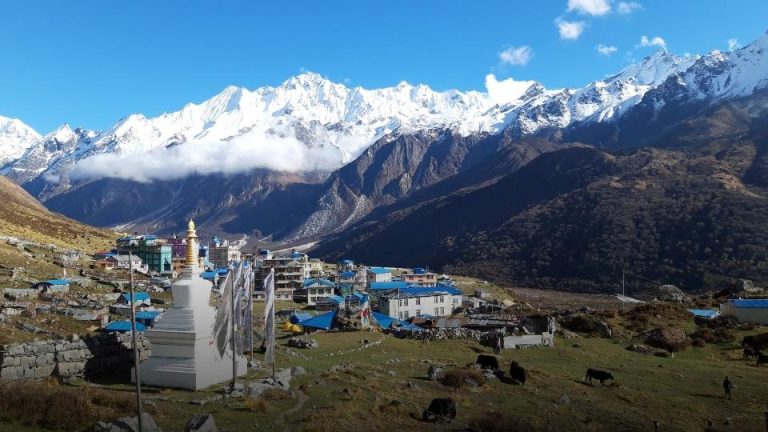
Reaching the 3,870-meter settlement of Kyanjin Gompa forces Langtang Valley trekkers to make a critical itinerary decision: summit the accessible Kyanjin Ri ridge (4,770m) or tackle the strenuous Tserko Ri expedition (4,985m). Misjudging this choice or attempting the taller peak without prior altitude exposure directly increases the risk of Acute Mountain Sickness (AMS) and high fatigue.
To guarantee a safe and visually rewarding climb, we recommend matching your physical fitness and timeline to the specific demands of each mountain. This comparison breaks down the exact net elevation gains, trail terrain technicalities, and sequential acclimatization strategies required for both peaks. By evaluating these functional route differences, you can confidently integrate the correct summit into your Langtang Trek itinerary, optimize your energy reserves, and secure the ultimate panoramic views of the surrounding Himalayan glaciers.
Table of Contents
Tserko Ri vs Kyanjin Ri Hike
The comparison table below details the exact elevation gains, terrain technicalities, and packing requirements for both Tserko Ri and Kyanjin Ri trek. Review these specific route differences to match your physical conditioning with the appropriate mountain, secure the best glacier views, and actively prevent acute mountain sickness during your ascent.

| Differences | Kyanjin Ri | Tserko Ri |
|---|---|---|
| Maximum Altitude | 4,770m (15,649 ft) | 4,985m (16,354 ft) |
| Net Elevation Gain | 903m ascent from Kyanjin Gompa (3,870m) | 1,114m ascent from Kyanjin Gompa (3,870m) |
| Trek Duration | 4-hour round trip | 8-hour round trip expedition |
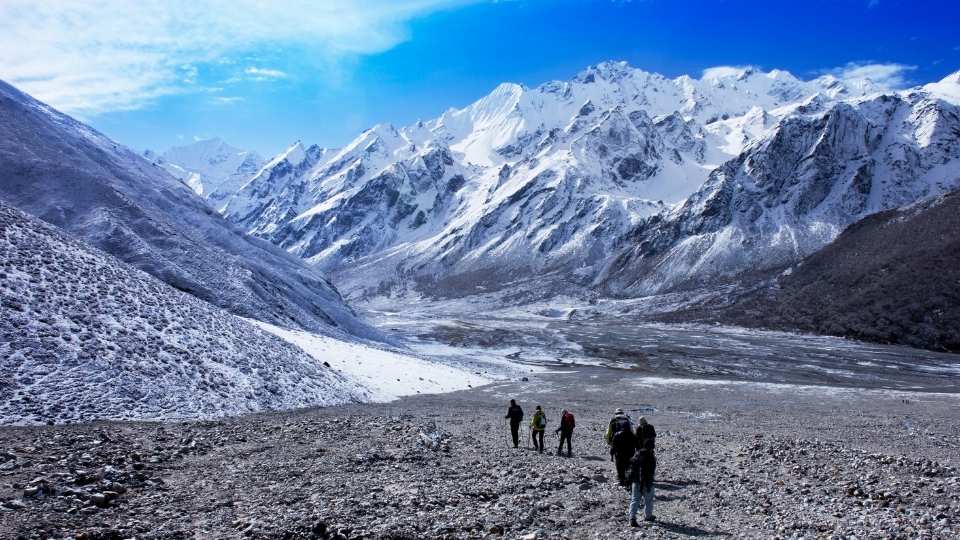
| Trail Terrain | Steep grassy switchbacks and dirt ridges | Exposed boulder fields, moraine navigation, and seasonal snow patches |
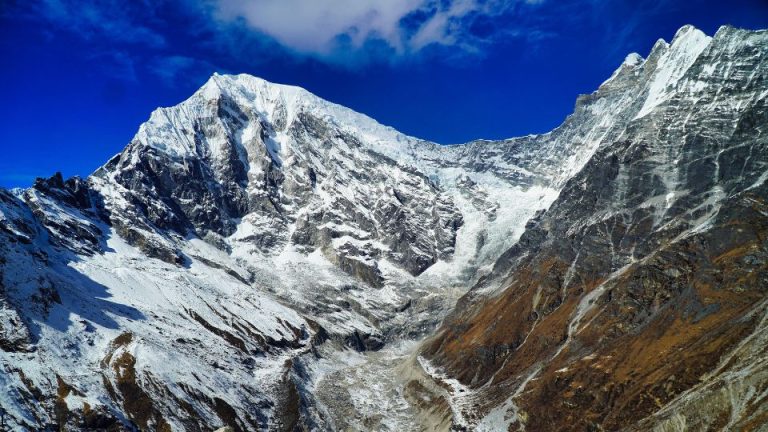
| Glacier Views | Close-up downward views of the Langtang Lirung icefall | Top-down panoramic views of the Yala Glacier and Kinshung |
| Mountain Panoramas | 270-degree valley views of Langtang Lirung and Nayakanga | 360-degree sights including Langtang Lirung, Nayakanga, Langshisha Ri, Yala Peak, Dorje Lakpa, Ganchenpo, and Tibetan border peaks |
| Physical Exertion | Challenging half-day ascent | Strenuous full-day 4,985m endurance test |
| Start Time Requirements | 8:00 AM daylight departure | 5:00 AM alpine start to secure clear weather windows |
| Packing Upgrades | Standard windproof layers, sunglasses, and trekking poles | Heavy insulation, microspikes, and headlamps for pre-dawn navigation |
| Hydration and Fuel | Requires 1.5 liters of water and standard trail snacks | Requires 3 liters of water and dense caloric alpine fuel |
| Target Audience | First-time high-altitude trekkers building altitude tolerance | Seasoned trekkers seeking a physical 5,000m challenge |
| Itinerary Integration | Schedule on Day 4 immediately upon arriving at Kyanjin Gompa | Require an extra day at Kyanjin Gompa (normally done on Day 5) |
Selecting between these two viewpoints dictates the structure of your final days in the upper Langtang Valley. Prioritize the Kyanjin Ri ascent immediately upon arrival to trigger active acclimatization, evaluate your physical condition, and secure close-up views of the Langtang Lirung icefall.
Reserve the Tserko Ri expedition only if you are fully acclimatized at Kyanjin Gompa and confident in your stamina for an 8-hour ascent up steep terrain. Tackling this near-5,000-meter summit requires optimal weather windows, pre-dawn departure planning, and sustained energy reserves to safely navigate the upper boulder fields and capture the ultimate 360-degree Tibetan border panorama.
Who Should Do Tserko Ri Hike?
Tserko Ri is not a casual morning walk; it is a demanding 4,985-meter alpine trek that pushes the limits of standard teahouse trekking. While Kyanjin Ri accommodates most visitors building their altitude tolerance, the ascent to Tserko Ri requires advanced physical preparation, strategic acclimatization, and specialized gear. Trekkers should only attempt this high-altitude summit if they meet the following specific conditioning and itinerary requirements:
- Physical Stamina for an 8-to-9-Hour Sustained Ascent: Trekkers must possess the cardiovascular endurance to maintain a steady climbing pace for up to five hours uphill and safely execute a jarring, knee-heavy descent back to Kyanjin Gompa.
- Confirmed Acclimatization Status at Kyanjin Gompa (3,870m): Climbers must spend at least one full night at 3,870 meters without experiencing headaches, nausea, or other symptoms of Acute Mountain Sickness (AMS) before pushing toward the 5,000-meter mark.
- Itinerary Flexibility for an Extra Rest Day: Your Langtang Valley trekking schedule must include a dedicated buffer day in Kyanjin Gompa to allow your body to adapt to the altitude before initiating the Tserko Ri summit push. Tserko Hike normally requires an 8 day itinerary from Kathmandu.
- Willingness to Execute a 5:00 AM Alpine Start: Summit hopefuls must depart the teahouse before dawn to secure clear weather windows, avoid afternoon cloud cover, and return safely before temperatures drop rapidly at high altitude.
- Technical Gear Readiness: You must carry functional alpine equipment in your daypack, including a high-lumen headlamp for pre-dawn navigation, microspikes for seasonal ice, and heavy windproof insulation to withstand freezing summit gales.
- Ability to Navigate Snowy Trails and Exposed Boulder Fields: The upper route demands technical footwork. Hikers must confidently scramble over loose moraine rock, traverse steep boulder sections, and cross slippery snow patches near the summit ridge.
- Specific Intent for 360-Degree Tibetan Border and Yala Glacier Panoramas: This strenuous climb rewards trekkers who specifically seek top-down, panoramic views of the Yala Glacier, Kinshung, and the towering peaks marking the Tibetan border, rather than the immediate downward valley views offered by lower vantage points.
If your timeline, gear checklist, or physical conditioning does not align with these rigorous requirements, local guides strongly recommend targeting Kyanjin Ri instead. Respecting the 4,984-meter altitude and acknowledging your physical limits ensures you experience the dramatic beauty of the Langtang Valley without risking severe altitude sickness or exhaustion on the exposed slopes of Tserko Ri.
Who Should Do Kyanjin Ri Hike?
Kyanjin Ri (4,770m) serves as the primary acclimatization objective for most trekkers arriving in the upper Langtang Valley. Unlike the grueling, all-day endurance test required for Tserko Ri, this accessible peak provides a balanced mix of high-altitude exposure and stunning glacier views without exhausting your physical reserves. Local guides highly recommend prioritizing the Kyanjin Ri summit if your trekking profile aligns with the following criteria:
- First-Time High-Altitude Trekkers Building Altitude Tolerance: Novice alpine hikers should use this straightforward ascent to test their body’s response to the thin air at 4,773 meters before attempting higher, more isolating elevations.
- Trekkers Executing an Active “Climb High, Sleep Low” Acclimatization Strategy: Pushing up to the summit ridge and descending back to the Kyanjin Gompa teahouses (3,870m) actively triggers altitude adaptation, significantly reducing the risk of Acute Mountain Sickness (AMS).
- Hikers Preferring a Moderate 3-to-4-Hour Round Trip: This manageable half-day hike requires roughly 900 meters of net elevation gain, leaving you with ample afternoon energy to explore the local valley, visit the cheese factory, or physically recover.
- Itineraries Requiring a Same-Day Ascent Upon Arrival at Kyanjin Gompa: Trekkers on a tight schedule can safely summit this lower viewpoint on the same day they arrive in Kyanjin Gompa, immediately following the morning walk from Langtang Village.
- Trekkers Seeking Close-Up Downward Views of the Langtang Lirung Icefall: The summit ridge positions photographers directly opposite the Langtang Lirung glacier, offering massive, unobstructed downward views of the tumbling icefalls and the valley settlement below.
- Hikers Preferring a Standard 8:00 AM Daylight Departure Over a Pre-Dawn Start: You can enjoy a full teahouse breakfast and depart in the warmth of the morning sun, completely avoiding the freezing, 5:00 AM alpine starts required for taller surrounding peaks.
Ultimately, Kyanjin Ri delivers maximum visual reward for a moderate physical investment. Completing this 4,770-meter ascent ensures you properly acclimatize to the Langtang Valley environment, allowing you to safely enjoy your descent back to Lama Hotel and Syabrubesi or effectively prepare your body for the much more demanding push up Tserko Ri the following day.
Altitude Sickness Prevention: Sequencing Both Peaks in Your Trekking Itinerary
Trekking above 4,000 meters exposes hikers directly to Acute Mountain Sickness (AMS). To prevent altitude-induced headaches, nausea, and trip-ending fatigue, we recommend sequencing Kyanjin Ri and Tserko Ri peaks strategically to build physiological tolerance and guarantee a safe expedition.
Step 1: The Kyanjin Ri Acclimatization Trigger
Schedule Kyanjin Ri (4,770m) as your first high-altitude objective. Execute this 900-meter ascent on the afternoon you arrive at Kyanjin Gompa. Climbing to this intermediate ridge and immediately descending to your 3,870-meter teahouse perfectly executes the “climb high, sleep low” survival protocol. This rapid elevation change forces your cardiovascular system to adapt to the 4,700-meter atmosphere while ensuring your body recovers overnight in the denser oxygen of the valley floor. If afternoon weather or fatigue limits your climb, hike to the Lower Kyanjin Ri viewpoint (4,400m) instead. Reaching this lower mark and returning to the village still provides the altitude exposure required to safely prepare for taller peaks.
Step 2: The Tserko Ri Summit Push Reserve the grueling Tserko Ri expedition strictly for the following day (Day 5). By utilizing the physiological foundation built during the Kyanjin Ri hike, your lungs and muscles are better prepared to handle the sustained 1,100-meter vertical push to the 4,985-meter summit. This sequential approach ensures your body already recognizes the altitude stress, preventing sudden AMS onset during the steep boulder scrambles and allowing you to focus entirely on the 360-degree Tibetan border panoramas.
Conclusion: Finalizing Your Langtang Valley Summit Strategy
Ultimately, choosing between Kyanjin Ri and Tserko Ri is not about finding a superior viewpoint, but matching your physical stamina and acclimatization status to the correct alpine objective. Trekkers seeking a manageable, 3-hour acclimatization hike with close-up views of the Langtang Lirung icefall should confidently prioritize the 4,770-meter Kyanjin Ri. Conversely, seasoned hikers possessing the cardiovascular endurance for an 8-hour expedition and a dedicated extra day in their schedule will find the 4,985-meter Tserko Ri to be the ultimate 360-degree Himalayan challenge.
Properly sequencing these peaks prevents Acute Mountain Sickness and transforms a grueling climb into a successful summit. Structuring your Langtang Valley Trek with Trek Langtang ensures your itinerary includes the critical buffer days, acclimatization strategies, and expert local guidance required to safely navigate these exceptional elevations.