Comparing Langtang Valley and Annapurna Base Camp Treks
Choosing between the Langtang Valley Trek and the Annapurna Base Camp (ABC) Trek requires balancing available time, budget, and preferred trail atmosphere. While both routes offer world-class Himalayan experiences, they cater to distinctly different trekking intents and physical capabilities.
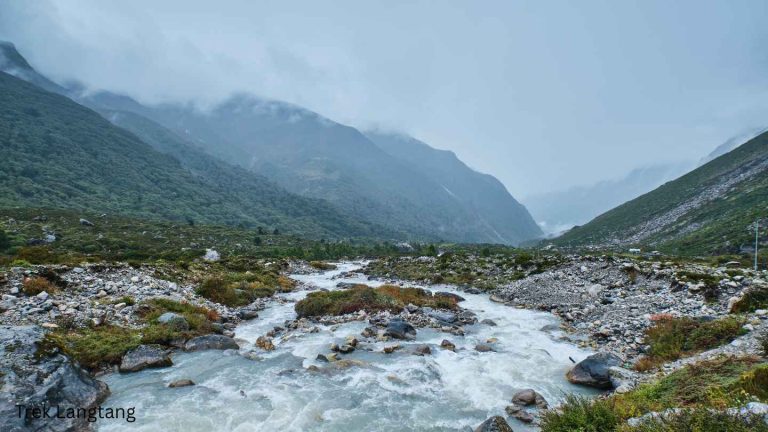
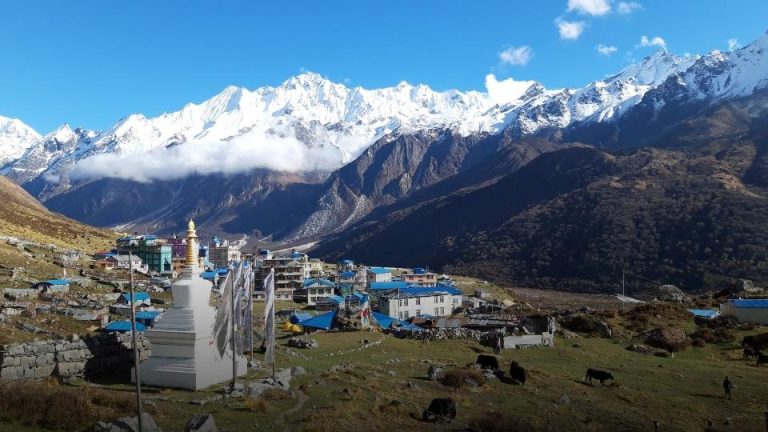
The Langtang Valley Trek stands out as the most accessible high-alpine route from Kathmandu. Requiring only an 8-day time commitment and a direct overland drive, it is an incredibly efficient option. Characterized by gradual ascents, lower overall costs, and a peaceful, low-traffic environment, this trail is heavily immersed in Tamang culture. It is an ideal choice for cultural enthusiasts, beginners, and trekkers seeking a quiet, beautiful, off-the-beaten-path experience with close-up glacier views. We have included Langtang trek photos for visual reference to readers.
In contrast, the Annapurna Base Camp Trek is a classic 10-day milestone journey. Operating out of the Pokhara transit hub, it is a globally popular route famous for its highly social, bustling trails and premium lower-elevation lodges. While it demands a higher budget and strong knee endurance to tackle its endless steep stone staircases, the ultimate reward is a spectacular 360-degree mountain amphitheater surrounded by 7,000m and 8,000m giants.
The comprehensive comparison table below breaks down the granular differences between these two iconic routes across core logistical and experiential data points—from altitude ceilings and terrain profiles to permit requirements and overall trekker density.

Differences Between Langtang Valley Trek and Annapurna Base Camp Trek
| Differences | Langtang Valley Trek | Annapurna Base Camp (ABC) Trek |
|---|---|---|
| Total Trek Duration | 8 days Trek | 10 days Trek |
| Overall Difficulty Level | Moderate (gradual ascents) | Moderate trek |
| Total Estimated Budget/Cost | Lower (~$340 – $600 USD) | Moderate (~$600 – $900 USD, extra transit to Pokhara) |
| Peak Visibility & Proximity | Close-up 360-degree valley views of Langtang Lirung (7,227m) and nearby mountain ranges | 360-degree amphitheater of 7,000m & 8,000m giants (Annapurna I, Machhapuchhre) |
| Best Seasons & Weather Risks | Spring/Autumn; generally stable, though historically noted for avalanche risk near the village | Spring/Autumn; known avalanche risk zone between Deurali and Machhapuchhre Base Camp (MBC) |
| Maximum Altitude Reached | 3,870m (Kyanjin Gompa), 4770m(optional Kyanjin Ri hike) or 4,985m (optional Tserko Ri hike) | 4,130m (Annapurna Base Camp) |
| Risk of AMS | Moderate (forgiving, gradual elevation profile) | Moderate (rapid altitude gain during the final approach to the sanctuary) |
| Transport Type to Trailhead | 7 hour direct overland drive (bus/jeep) to Syabrubesi | Flight (20-minute) or drive (8 hour) to Pokhara, followed by a short drive (1.5 hour) to Nayapul/Jhinu Danda |
| Transit Reliability | Dependent on road conditions (can be bumpy or affected by monsoon landslides) | Highly reliable; Pokhara flights occasionally face minor weather delays |
| Total Trekking Distance | ~65 to 75 km | ~110 km |
| Ideal Trekker Archetype | Beginners, cultural enthusiasts, and time-conscious trekkers seeking quiet trails | Classic milestone seekers, highly social hikers, and those with strong knee endurance |
| Trekker Traffic & Crowd Density | Low to moderate; offers a peaceful, off-the-beaten-path atmosphere | High density; a globally popular, bustling, and social trekking route |
| Infrastructure & Accommodation | Well-established, cozy, newly rebuilt traditional teahouses | Premium lodges at lower elevations. In the higher altitude, teahouses are basic and highly crowded |
| Trail Terrain | Forgiving, rhythmic paths following the Langtang River | Endless steep stone steps (especially around Ulleri/Chhomrong) and undulating hills |
| Dominant Ethnic Groups | Primarily Tamang people with deep Tibetan Buddhist roots | Primarily Gurung and Magar communities |
| Internet & Mobile Connectivity | Patchy mobile network; paid Wi-Fi available in some teahouses | Good general connectivity; paid Wi-Fi widely available throughout the route |
| Proximity to the Capital | ~122 km from Kathmandu (closest major trek to the capital) | ~200 km to Pokhara from Kathmandu, plus onward travel to the trailhead |
| Required Trekking Permits | Langtang National Park Entry Permit | Annapurna Conservation Area Project (ACAP) Permit |
Ultimately, choosing between the Langtang Valley Trek and the Annapurna Base Camp Trek comes down to your available time, budget, physical endurance, and the type of trail atmosphere you crave. Both routes deliver unforgettable Himalayan experiences, but they cater to very different trekking styles.
If you are looking for a highly accessible, budget-friendly journey that immerses you in authentic Tamang culture away from heavy tourist traffic, the Langtang Valley Trek is the clear winner. Its 8-day itinerary and forgiving, gradual ascents make it an incredibly efficient and rewarding option. It is the perfect choice for beginners, time-conscious travelers, or anyone seeking a peaceful, raw connection with the mountains without the logistical hurdles of domestic flights.
Conversely, if your primary goal is to stand at the base of 8,000-meter giants and you thrive in a bustling, highly social trekking environment, the Annapurna Base Camp Trek is a classic milestone. While it requires a larger 10-day time commitment, a higher budget, and the stamina to conquer endless steep stone staircases, the payoff of the 360-degree Annapurna sanctuary amphitheater is world-renowned.
Your final decision should rest on what you value most: the quiet, culturally rich, and gradual ascent of Langtang, or the physically demanding, heavily trodden, but iconic alpine bowl of Annapurna.