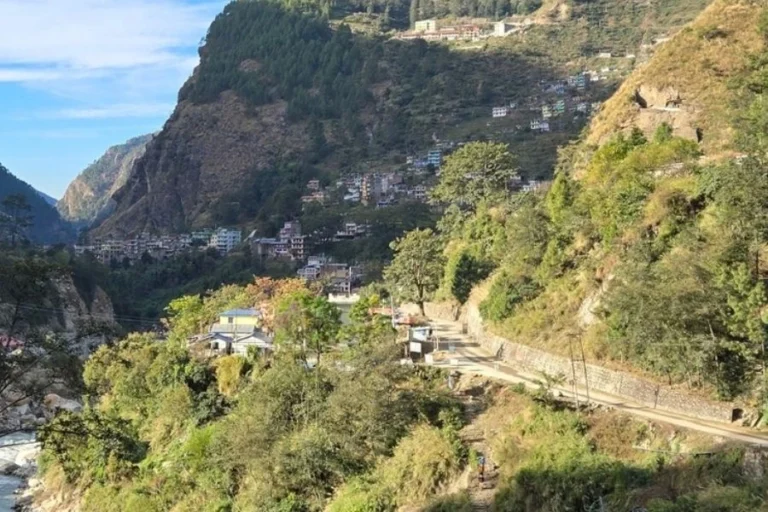
Villages Located Inside Langtang Valley
Syabrubesi, Langtang Village, Lama Hotel, Kyanjin Gompa, and Sherpagaon form the main villages of the Langtang Valley. Here, a “village” is defined as any permanent settlement where locals maintain homes and operate teahouses. This article details 13 specific mountain human settlements(villages) so trekkers can plan secure routes and understand the valley’s evolving cultural geography.
Table of Contents
Notes About Villages of Langtang Valley
This section lists essential information for trekkers staying in these villages during their Langtang trek:
- The Valley vs. The Village: Langtang Valley is not Langtang Village. Langtang Village is a specific, distinct human settlement located within the broader geographic region of the Langtang Valley.
- The Impact of Trekking: Before international trekking tourism expanded, modern hubs like Lama Hotel, Thangshyap, Ghodatabela, and Kyanjin Gompa did not exist as a village. Local families built these newer settlements specifically to accommodate the growing number of trekkers.
- The 2015 Earthquake: The 2015 Nepal earthquake triggered a massive avalanche that completely destroyed the original Langtang Village, claiming roughly 300 lives. Resilient survivors successfully reconstructed the new Langtang Village on safe ground just above the historic site.
- The Origins of Kyanjin Gompa: Kyanjin Gompa originally functioned solely as an isolated Buddhist spiritual site. The word “Gompa” literally translates to “monastery” in the local language. Today, it operates as the valley’s highest major village, heavily developed with lodges to serve trekkers.
Langtang Valley Villages Overview
The Langtang Valley has many different villages along the trekking trail. You start your walk at the bottom in Syabrubesi. It is 1,460 meters high. From there, you walk all the way up to Kyanjin Gompa. The table below lists all the 13 villages that lie in the Langtang Valley.
| Villages | Elevation | Overview |
| Syabrubesi | 1,460m | The primary gateway and starting point for entering the Langtang Valley. |
| Bamboo | 1,970m | A small teahouse stop located in the forest along the Langtang River. |
| Thulo Syabru | 2,210m | A traditional Tamang village perched on a ridge, often used as a connecting route between Langtang Valley and Gosaikunda. |
| Rimche | 2,450m | A quiet stop offering forest and mountain views just below Lama Hotel. |
| Lama Hotel | 2,470m | A major cluster of lodges and teahouses serving as a hub for trekkers, rather than a traditional village. |
| Sherpagaon | 2,563m | An alternative, traditional settlement located on the higher panoramic trail route. |
| Ghodatabela | 2,992m | A scenic meadow settlement that serves as a key resting point. |
| Thangshyap | 3,140m | A small mid-valley settlement with a few lodges for trekkers. |
| Chamki | ~3,230m | One of the smaller high-valley settlements encountered before reaching the main village. |
| Langtang Village | 3,430m | The valley’s primary historic village, which was heavily rebuilt following the 2015 earthquake. |
| Mundu | 3,550m | A small, traditional neighboring village located just past Langtang Village. |
| Singdum | ~3,600m | A traditional yak-herding settlement in the upper valley. |
| Kyanjin Gompa | 3,870m | The highest major village in the valley, functioning as a base for trekkers and home to the distinct Kyanjin Gompa Monastery and a yak cheese factory. |
The table above lists only the villages within the Langtang Valley, not all the villages in Langtang National Park. Langtang National Park is a broader geographical region that encompasses the valley and includes other villages such as Gatlang, Briddim, and Dhunche.
Syabrubesi
Syabrubesi is the starting point for the Langtang Valley trek. It sits at an elevation of 1,460 meters. A fast river runs right through the middle of the town. You can get here by taking a bus or a jeep from Kathmandu. The ride takes many hours on bumpy dirt roads. This town is the primary gateway for visitors. It has many small hotels, shops, and places to eat. Trekkers usually stay here for one night before they start walking up the mountain. You can buy last-minute trekking gear here. You can also buy snacks and water for the trip. The town is always busy with local people, guides, and tourists getting ready. It is a mix of old stone houses and newer concrete buildings. The weather here is warm compared to the high mountains. People grow corn and potatoes in the small green fields nearby.

Bamboo
Bamboo is a very small place to stop on the trail at 1,970 meters high. It gets its name from the wild bamboo trees that grow all around it. It is not a real village with many homes. It is just a few small teahouses and lodges built next to the Langtang River. Trekkers often stop here to eat lunch or rest their tired legs. Sometimes, monkeys play in the trees near the lodges. You can hear the loud sound of the river rushing by all day and night. The trail near Bamboo is mostly inside a thick green forest. It is very cool and shady here. Because it is deep in the narrow valley, the sun goes down early. Wild animals live in the woods around this area. It is a peaceful place to take a short break before you start the steep walk up the big hill.
Thulo Syabru
Thulo Syabru is a big, beautiful village sitting high on a hill at 2,210 meters. Most people who live here belong to the Tamang group. The Tamang people have their own rich culture and language. The village has many old houses made of strong stone and wood. The houses sit in long rows on the steep side of the ridge. You can see snow on the high mountains from here. Many trekkers pass through this village if they use the connecting route between the Gosaikunda lakes and the Langtang Valley. The local farmers grow crops on flat steps cut into the hill. They grow things like millet, wheat, and fresh vegetables. There is a small school and a quiet Buddhist temple in the village. Kids play games in the narrow dirt streets. People are very friendly and often smile at visitors passing by.
Rimche
Rimche is a very quiet place on the trail at 2,450 meters high. It is just a short walk before you reach the busy Lama Hotel. It sits on a flat piece of land looking out over the deep valley. There are only a few small lodges here. Many trekkers like to stay in Rimche instead of Lama Hotel because it is much less crowded. The views of the sunset are very pretty from this high spot. You can see the dark green forest spreading out all around you. Monkeys sometimes come near the lodges to look for extra food. The air starts to feel colder here because you are getting higher up the mountain. The lodge owners make good, hot food to warm you up after a long walk. It is a good place to sit outside, drink hot tea, and look at the tall trees.
Lama Hotel
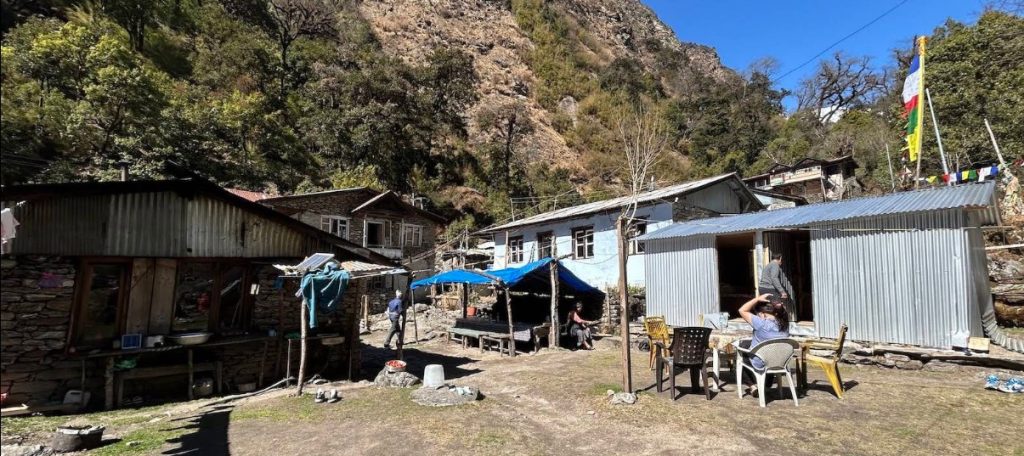
Lama Hotel is at 2,470 meters, but it is not really a traditional village. It is a large cluster of lodges and teahouses built in a clearing in the forest. It serves as a major hub for trekkers. Almost all walkers spend their second night here. It is a very busy and crowded place during the main trekking season. The lodges are built very close to each other. The rooms are simple with just basic beds. The dining rooms get very warm and cozy at night when they light the fire in the stove. You will meet people from all over the world in these dining rooms. You can share fun stories about the walk. The trees around Lama Hotel are very tall and block a lot of the view. The river is very loud here too. In the morning, it is often misty and very cold.
Sherpagaon
Sherpagaon is a lovely, traditional settlement high up on the mountain side at 2,563 meters. You do not have to walk through the dark forest to get here. You can take a different, higher panoramic trail route. This path gives you great views of the wide, open valley. The village gets a lot of warm sunshine during the day. The people who live here originally came from Tibet a very long time ago. They build very nice, strong stone houses to stay warm. They also keep yaks and cows for fresh milk. Not as many trekkers come this way, so it is very quiet and peaceful. You can see how the local farmers work in their fields. The air is fresh and very clear. Staying here is a good way to see a real mountain village. You will eat fresh food right from their green gardens.

Ghodatabela
Ghodatabela sits at an elevation of 2,992 meters. Its name means “Horse Stable” in the local language. It is a wide, flat, scenic meadow right in the middle of the valley. A long time ago, people used this place to keep their horses safe. Now, it is an army post and a key resting point for walkers. There are a few small places to buy hot tea and simple food. You have to show your trekking permit to the army guards here. This is the exact place where the tight, dark forest finally opens up. Suddenly, you can see the huge snowy mountains right in front of you. It is a very happy moment for trekkers. Yaks and horses often eat the green grass in the big meadow. People love to sit in the warm sun here and rest their tired feet.
Thangshyap
Thangshyap is a small mid-valley settlement at 3,140 meters high. It sits right on the main dirt trail as you walk higher into the valley. There are only a few simple stone houses and lodges here for trekkers. The valley is very wide and open at this point. You can see tall, steep rock walls on both sides of you. The sun feels very warm here during the middle of the day. Local people dry fresh vegetables and yak cheese on the flat roofs of their houses. You might see small children helping their parents with daily farm work. It is a nice place to stop for a cold drink or a quick snack. The air is getting thinner here, so you must remember to walk slowly. You can really feel the cold wind coming down from the big ice glaciers above.
Chamki
Chamki is one of the smaller high-valley settlements you pass at about 3,230 meters. You will see it just before you reach the main Langtang Village. It only has a few simple homes. The trail goes right past the front doors of these houses. You will see many hairy yaks walking around or resting in the dirt. The local people here live very simple, quiet lives. They weave warm wool, make yak butter, and take good care of their animals. You will see long stone walls with holy Buddhist writing carved into them. These are called mani walls. You must always walk to the left side of these walls to show respect to the culture. Chamki is very quiet. You mostly just hear the wind blowing and the bells around the yaks’ necks ringing. The big mountains look very close now.
Langtang Village
Langtang Village is the primary historic town in the valley, sitting at 3,430 meters. In 2015, a terrible earthquake hit the country of Nepal. A huge piece of ice and rock fell on the old village and completely destroyed it. Many good people died that day. But the local people are very strong and brave. They heavily rebuilt a new village a little bit further up the safe trail. Now, there are many new lodges and bright homes. You can see the huge Langtang Lirung mountain right above the village. The town even has a bakery that sells fresh bread and sweet cake. You can also visit a sad memorial for the people who died in the earthquake. The people here are very welcoming. They are happy that tourists are coming back to help them build their lives again.

Mundu
Mundu is a small, traditional neighboring village located just past Langtang Village. It sits slightly higher at 3,550 meters. You can walk there in about thirty short minutes. It looks very different from the new buildings in Langtang Village. Many of the old stone houses here did not fall down in the big earthquake. The houses have flat roofs made of thick wood and heavy stone. You can see dry bushes stacked high on the roofs to use for winter fuel. This village feels very traditional and historic. There are not as many big, busy lodges here. The local people wear traditional warm clothes to beat the cold. You can see old women spinning rough yak wool by hand. It is a very good place to take beautiful photos. Yaks graze everywhere in the big open spaces around the old houses.
Singdum
Singdum is a traditional yak-herding settlement high up in the upper valley at about 3,600 meters. It is just past Mundu. It is not a place where many trekkers stop to spend the night. It is mostly used for keeping yaks safe. In the warm summer, the local farmers bring their animals here to eat the fresh green grass. There are small, basic stone huts where the herders sleep at night. They milk the big yaks every single day. They make the rich milk into yellow butter and hard cheese. The cold wind blows very hard here all day. There are no tall trees at all, just short grass and gray rocks. You will see many small streams running down from the melting snow. It is a tough place to live, but it shows the real life of mountain herders.
Kyanjin Gompa
Kyanjin Gompa is the highest major village in the valley at 3,870 meters. It functions as a final base for trekkers. It is surrounded by huge snowy mountains on every single side. The village is named after an old Buddhist monastery, or gompa, that is built right there. The village has many warm lodges, nice bakeries, and small cafes. There is also a famous factory here that makes real yak cheese. You can buy the fresh cheese and eat it right there. Trekkers usually stay here for a few days. They use it as a base camp to climb smaller peaks nearby. The views from here are the absolute best in the whole valley. You can see big blue glaciers hanging off the high rocks. The air is very thin and cold. At night, the stars shine very bright in the dark sky.

Conclusion
The Langtang Valley trek guides hikers through 13 distinct mountain villages, like Syabrubesi, Bamboo, Lama Hotel, Kyanjin Gompa, Langtang Village. Trekkers use the tea houses in these Langtang villages to secure safe lodging, acclimatize to the thinning air, and navigate the challenging transition from dense, temperate forests to high-altitude alpine glaciers. We have also mentioned these Langtang villages, along with their relative locations, on our Langtang Trek Map page.