The Langtang Valley Trek for Senior Hikers
The Langtang Valley trek offers senior hikers a spectacular Himalayan experience without the extreme altitudes found on the Everest Base Camp trek. Trekkers reach a maximum sleeping elevation of 3,870 meters at Kyanjin Gompa. This lower altitude significantly reduces the risk of Acute Mountain Sickness (AMS). Unlike the Annapurna Circuit, the Langtang trail avoids punishing, vertical stone staircases. Older hikers appreciate the gradual valley inclines, manageable daily walking distances, and rapid access from Kathmandu.
Assessing the Difficulty: Is Langtang Safe for Older Trekkers?
Trail Conditions and Terrain What to Expect
The Langtang trail consists of well-trodden dirt paths, suspension bridges, and rocky riverbeds. Trekkers navigate uneven stones and occasional steep forest switchbacks in the lower sections. High-quality trekking poles provide essential stability on these uneven sections.
Understanding Altitude Sickness and Acclimatization
Altitude sickness affects trekkers regardless of age or baseline fitness level. The Langtang route accommodates gradual acclimatization perfectly. A well-planned, senior-friendly itinerary limits daily elevation gains to under 500 meters after crossing the 3,000-meter mark. Guides and trekkers monitor symptoms like headaches, nausea, and dizziness to prevent severe complications early.

How to Physically Prepare for the Langtang Valley in Your 60s and Beyond
Cardiovascular Conditioning for High Altitudes
Cardiovascular training prepares the heart and lungs to process oxygen efficiently at high elevations. Senior hikers should begin aerobic exercises three to four months before the trek. Walking on inclined treadmills, swimming, and cycling build necessary aerobic endurance. Trekkers aiming for Langtang need the stamina to walk 4 to 6 hours daily over consecutive days.
Strength and Balance Training for Uneven Paths
Targeted leg strength protects knee joints during long Himalayan descents. Senior trekkers build muscle by incorporating squats, lunges, and step-ups into weekly routines. Balance exercises reduce fall risks on rocky, unpredictable terrain. A strong core supports the lower back while carrying a daypack.
A Senior-Friendly Langtang Trek Itinerary (10-12 Days)
Standard 7-day itineraries rush older trekkers and increase the risk of exhaustion and altitude illness. This adjusted 8-day active trekking schedule slows the pace and builds in crucial rest days.
Day 1: Drive from Kathmandu to Syabrubesi
Travelers take a 7-to-8-hour jeep ride from Kathmandu to the trailhead at Syabrubesi (1,500 meters). The journey winds through middle hill switchbacks and offers first glimpses of the Ganesh Himal range.
Day 2: Trek from Syabrubesi to Lama Hotel
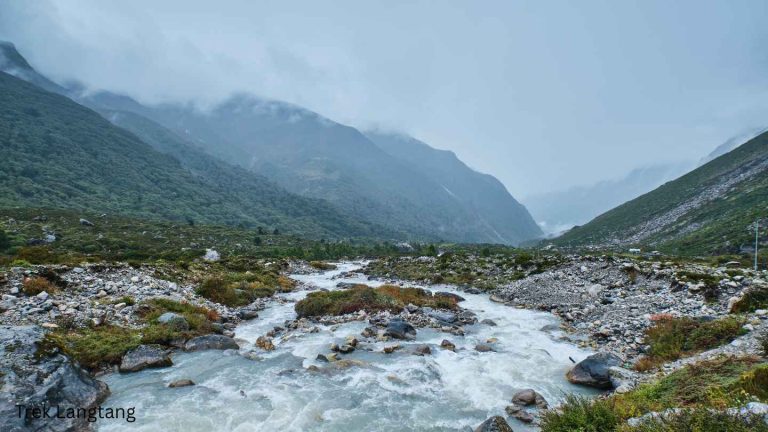
Trekkers walk 5 to 6 hours alongside the roaring Langtang Khola river. The trail climbs steadily through dense oak and rhododendron forests, ending at Lama Hotel (2,470 meters).
Day 3: Trek from Lama Hotel to Thangsyap
This 4-to-5-hour day breaks the traditional long push to Langtang village. Stopping at Thangsyap (3,140 meters) prevents physical exhaustion and aids proper altitude acclimatization.
Day 4: Trek from Thangsyap to Kyanjin Gompa
Trekkers walk 4 hours and enter the wide, U-shaped glacial valley. The tree line disappears, revealing 360-degree views of snow-capped peaks before arriving at Kyanjin Gompa (3,870 meters).
Day 5: Hike from Kyanjin Gompa to Kyanjin Ri and return
Hikers ascend the Kyanjin Ri viewpoint (4,773 meters) for panoramic views of the 7,200-meter Langtang Lirung peak. Returning to sleep at the lower elevation of Kyanjin Gompa promotes excellent acclimatization.
Day 6: Trek from Kyanjin Gompa to Ghodatabela
Trekkers retrace their steps down the valley for 5 to 6 hours. The descent feels easier on the lungs but requires careful foot placement to protect the knees.
Day 7: Trek from Ghodatabela to Syabrubesi
The final 5-hour trekking day returns hikers through the lower forested sections back to the starting point at Syabrubesi.
Day 8: Drive from Syabrubesi to Kathmandu
Travelers complete the 7-to-8-hour drive back to Kathmandu for rest, hot showers, and recovery.
Essential Packing List Upgrades for Older Hikers
The Importance of Quality Trekking Poles and Knee Braces
High-quality, adjustable trekking poles transfer up to 20% of the impact weight off your knees and hips. Neoprene knee braces compress joints and prevent swelling during steep descents. These tools prevent overuse injuries and extend daily stamina on the trail.
Layering Up: Staying Warm in Himalayan Tea Houses
Himalayan temperatures drop below freezing at night, especially in Kyanjin Gompa. Moisture-wicking base layers pull sweat away from the skin during active hiking. High-fill down jackets provide necessary insulation during evening rest periods in unheated dining rooms.
Footwear and Blister Prevention
Sturdy, well-broken-in hiking boots support ankles on loose, rocky terrain. Merino wool socks regulate foot temperature and reduce blister-causing friction. Applying moleskin to hot spots immediately prevents painful blisters from forming.
Accommodation and Food: Comfort on the Trail
What to Expect from Tea House Facilities and Beds
Langtang tea houses are basic mountain lodges that offer private twin rooms with wooden beds and foam mattresses. Most lodges provide communal dining rooms heated by central wood-burning stoves. Higher elevation tea houses charge nominal extra fees for hot gas showers and mobile device charging.
Nutrition and Hydration at Altitude
Dal Bhat is the traditional Nepali meal of lentil soup, rice, and vegetable curry. It provides excellent, sustained carbohydrate energy for long trekking days. Trekkers must drink 3 to 4 liters of water daily to thin the blood and aid acclimatization.
Why Hiring a Local Guide and Porter is Highly Recommended
Local guides navigate the terrain, secure tea house accommodations, and monitor clients closely for altitude sickness symptoms. Porters carry 15-kilogram duffel bags—so you can trek with only a light daypack and conserve energy. Hiring local staff directly supports the Langtang Valley economy and ensures a safer, frictionless trekking experience.