

Langtang Valley Trek in November: Pros, Cons, Recommendations
If you’re wondering whether trekking Langtang Valley in November is worth it, the short answer is yes. November offers one of the most rewarding combinations of stable weather, crystal-clear mountain views, comfortable daytime temperatures, and relatively peaceful trails.
I’d argue that November represents the sweet spot between October’s bustling peak season and winter’s harsher conditions. The mountains are exactly as sharp as they are in October’s postcard-perfect weather, but half the trekkers have gone home, which means you get the teahouse table by the window instead of the one by the door.
Overview of November Trekking in Langtang Valley
| Executive Summary | Details |
|---|---|
| Best For | Intermediate trekkers seeking clear mountain views, stable weather, and quieter trails |
| Weather | Mostly dry, crisp mornings, sunny afternoons, and cold nights |
| Day Temperature | Approximately 10°C–15°C at lower elevations; 5°C–10°C higher up |
| Night Temperature | Around -5°C to -10°C near Kyanjin Gompa |
| Trail Conditions | Dry, firm, and generally easy to navigate |
| Visibility | Excellent—often the clearest skies of the year |
| Crowds | Moderate. Fewer trekkers than October but still lively |
| Recommended Duration | 7–10 days |
| Difficulty | Moderate |
| Best Highlights | Snow-capped peaks, autumn forests, comfortable trekking temperatures, spectacular photography |
| Suitable For | Intermediate hikers with a reasonable level of fitness |
I’ve watched countless trekkers arrive with understandable nerves about high-altitude hiking, only to leave with unforgettable memories of snow-dusted peaks glowing beneath deep blue Himalayan skies. November consistently delivers those postcard moments that people imagine when they first dream about trekking in Nepal.
In this guide, you’ll learn exactly what weather to expect, how cold it really gets, what to pack, how busy the trail is, the advantages and disadvantages of trekking in November, and practical advice that can make your journey smoother and safer. Whether you’re planning independently or considering joining an organised trek, you’ll have a realistic understanding of what awaits you in Langtang Valley during one of its finest months.
Quote
“November offers dry trails, reliable conditions, and breathtaking visibility allowing trekkers to focus on enjoying the Himalayas rather than worrying about them.”
If you want to understand the best months for trekking in Langtang Valley, then you can check this detailed article: Best Months and Seasons for Langtang Valley Trek (2026/2027)
Table of Contents
Why November Is One of the Best Months for Trekking Langtang Valley
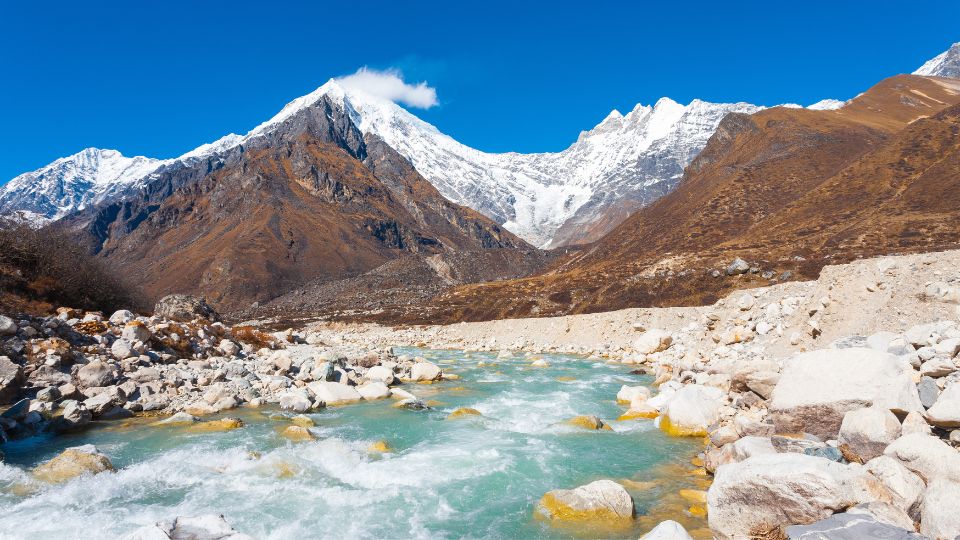
November marks the heart of Nepal’s post-monsoon trekking season. By this time, the summer rains have long disappeared, dust has settled, and the atmosphere becomes remarkably clear. Every morning often feels like nature has cleaned the windows to the Himalayas overnight.
Ask ten trekking blogs when to do Langtang and nine will say October without blinking. October deserves its reputation but it also means sharing the trail with everyone who reads the same blogs. November keeps the same dry, stable weather system the region built that reputation on, while the crowds quietly thin out as the month goes on. Teahouses that were turning people away in early October start posting open rooms again in November. You’ll still pass other trekkers, Langtang is too good a trek to ever feel empty, but you won’t be racing them for the last bed in Kyanjin Gompa.
For trekkers, that translates into more than beautiful photographs. Stable weather means fewer unexpected delays, safer walking conditions, and greater confidence throughout the journey.
Unlike the unpredictable shoulder seasons, November is consistent. Days are generally sunny and pleasant for hiking, while evenings become progressively colder as you gain altitude. The contrast between warm sunshine during the day and crisp mountain air after sunset creates ideal trekking conditions.
What Makes November Stand Out?
Rather than relying on a single advantage, November combines several favourable factors.
- Excellent mountain visibility
- Dry, well-maintained trails
- Comfortable daytime hiking temperatures
- Lower humidity
- Reduced risk of rain
- Fewer crowds compared to October
- Outstanding sunrise and sunset photography
For intermediate trekkers, these conditions make daily hiking both enjoyable and predictable.
Quick Facts Box
✔ Stable weather
✔ Low rainfall
✔ Excellent visibility
✔ Dry trails
✔ Moderate visitor numbers
✔ Comfortable daytime hiking temperatures
Here’s the part nobody puts in the brochure: daylight shrinks fast in November, and cold arrives earlier in the day than it does in October. Sunset at Kyanjin Gompa can come down by 5:30pm, which means your afternoon margin for delays, such as a slow lunch, a longer photo stop, a tired knee, gets thinner as the month progresses. Trek in early November and you’re trading almost nothing for the quieter trail. Push into the back half of the month and you’re trading a bit of comfort for an even emptier valley. Neither choice is wrong; just know which version you’re signing up for.
Weather in Langtang Valley During November
Weather is understandably one of the biggest concerns for anyone planning a Himalayan trek. Fortunately, November has earned its reputation as one of Nepal’s most dependable trekking months.
The monsoon has finished, leaving behind exceptionally clear skies and fresh mountain air. Most days begin with brilliant sunshine, making early starts especially rewarding as golden light illuminates Langtang Lirung and the surrounding peaks.
Afternoon clouds occasionally develop, but prolonged rainfall is uncommon. Instead, the biggest weather change you’ll notice is the temperature difference between day and night.
Most “best time to trek” articles give you one temperature range for the entire month, which is a bit like describing Kathmandu and the South Pole with the same forecast. Langtang gains nearly 2,500 vertical meters between the trailhead and Kyanjin Gompa, and November’s weather behaves completely differently at each end of that climb.
Average Temperature by Elevation
| Location | Elevation | Day | Night |
|---|---|---|---|
| Syabrubesi | 1,460 m | 18°C | 8°C |
| Lama Hotel | 2,470 m | 14°C | 4°C |
| Langtang Village | 3,430 m | 10°C | -2°C |
| Kyanjin Gompa | 3,830 m | 7°C | -7°C |
These are typical ranges, not guarantees, mountain weather has never read a blog post 🙂
Lower Valley: Mild Days, Crisp Nights
Down at Syabrubesi and through Lama Hotel, November feels closer to a pleasant autumn evening than anything resembling “Himalayan cold.” You’ll be comfortable in a t-shirt by midday and a light fleece by dinner. This is the section where overpacking shows. I’ve watched first-timers sweat through a down jacket they didn’t need until day four.
Kyanjin Gompa and Above: Where the Real Cold Lives
Above Langtang Village, the math changes. Daytime sun at 3,870m can still feel surprisingly warm when you’re walking and the sky’s clear, but step into shade or stop moving and the temperature drop is immediate. Nights are where November earns its reputation, water bottles left outside a teahouse window routinely freeze solid by morning, and by late November, that frost can linger well past breakfast.
The Weather Risk November Doesn’t Erase
Stable doesn’t mean static. Even in this generally reliable window, cloud banks can roll up the valley in under an hour and dump unexpected snow at altitude. It’s happened in November before, and it will again. The lesson isn’t to avoid the month; it’s to never treat “good season” as a reason to skip checking the weather forecast each day.
Mountain Views in November
If someone asked me to recommend a single reason for choosing November, I’d simply point towards the mountains.
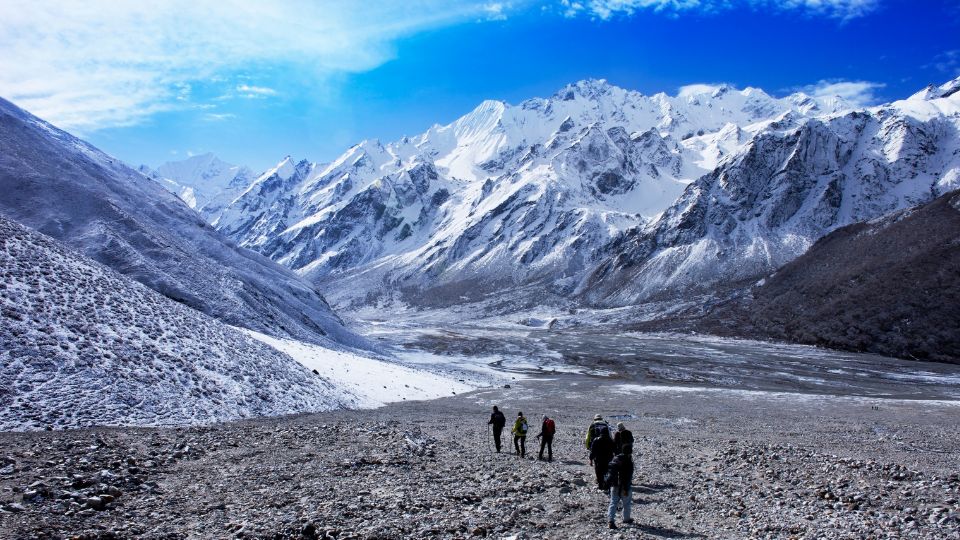
Clear air following the monsoon produces extraordinary visibility. On many mornings, every ridge, glacier, and ice-covered summit appears remarkably sharp against intensely blue skies.
Expect magnificent views of:
- Langtang Lirung (7,227 m)
- Dorje Lakpa
- Gangchempo
- Yala Peak
- Naya Kanga
- Langshisa Ri
Early mornings consistently provide the best conditions for photography. By beginning your hike shortly after sunrise, you’ll not only enjoy cooler temperatures but also softer light that beautifully highlights the surrounding peaks.
November in Langtang at a Glance
- 🌤️ Clear skies: ⭐⭐⭐⭐⭐
- 🥾 Trail condition: ⭐⭐⭐⭐⭐
- 📷 Photography: ⭐⭐⭐⭐⭐
- 🌧️ Rainfall: ⭐
- ❄️ Snow risk: ⭐⭐
- 👥 Crowds: ⭐⭐⭐
Is November Too Cold?
This is probably the question I hear most often.
The honest answer is that November is cold, but rarely uncomfortable if you’re properly prepared.
While walking, you’ll often find yourself removing a layer because the combination of sunshine and steady movement generates plenty of warmth. The real challenge comes during early mornings, evenings, and overnight stays at higher elevations.
The key isn’t wearing the thickest jacket available. Instead, successful trekkers rely on a simple layering system that allows them to adapt throughout the day.
Think of it like adjusting the thermostat in your home; you don’t need maximum heat all day, just the flexibility to respond to changing conditions.
As a guide, I’ve seen trekkers remain perfectly comfortable in November with sensible clothing choices, while others carrying oversized winter coats still complained because they lacked proper layers.
The lesson is simple: smart packing always beats heavy packing.
Trail Conditions in November
One of November’s greatest advantages is something many first-time trekkers don’t think about until they’re already on the trail: the condition of the path itself.
After the monsoon, the Langtang Valley Trek transforms. The muddy, slippery sections left behind by heavy summer rains have dried out, making the trails firmer and easier to navigate. Rivers are generally calmer, vegetation is lush from the recent rains, and the forests still retain their rich autumn colors.
Having guided hundreds of trekkers along this route, I’ve found that November offers some of the most forgiving walking conditions of the entire year. You spend less time worrying about where to place your feet and more time looking up at the spectacular scenery, which, admittedly, is exactly where your attention wants to be.
That doesn’t mean the trail is without challenges. Langtang remains a Himalayan trek, and some sections involve steep ascents, uneven stone staircases, loose rocks, and narrow mountain paths. However, these are part of the trek’s character rather than seasonal obstacles.

Where Ice Shows Up First
The catch is shade. North-facing switchbacks above Langtang Village and the stone steps right around Kyanjin Gompa can hold overnight frost well into the late morning, especially toward the back half of November. Trekking poles earn their keep here, and if you’re doing the trek in the final third of the month, a pair of light microspikes in your bag is cheap insurance you’ll be glad to have even if you only use them twice.
What to Expect on the Trail
| Trail Condition | November Experience |
|---|---|
| Mud | Rare |
| Slippery Sections | Minimal |
| River Crossings | Stable |
| Landslide Risk | Low compared to monsoon |
| Snow on Main Trail | Usually limited to higher elevations |
| Navigation | Straightforward on clear days |
Guide’s Tip
Even on dry trails, trekking poles reduce fatigue during long descents and help protect your knees, especially after several consecutive days of hiking.
Are the Trails Crowded in November?
November is undeniably popular, but it offers a noticeably calmer experience than October, Nepal’s busiest trekking month.
By early November, the festive atmosphere of the peak season remains. Tea houses are open, fellow trekkers from around the world share stories over dinner, and local villages feel lively. Yet the busiest holiday crowds have begun to thin, allowing for a more relaxed experience.
If your ideal trek includes quiet mornings, easier access to accommodation, and fewer queues at viewpoints, November strikes an excellent balance.
Comparing the Autumn Trekking Season
| Month | Weather | Crowds | Visibility |
|---|---|---|---|
| September | Improving | Moderate | Good |
| October | Excellent | Very High | Excellent |
| November | Excellent | Moderate | Excellent |
| December | Good | Low | Excellent |
Personally, I enjoy November because the mountains seem to breathe a little easier. You can pause on a ridge, listen to the wind moving through the pine forests, and hear the distant bells of grazing yaks rather than a constant stream of trekking groups.
A Typical Langtang Valley Trek Itinerary in November
Most trekkers complete the Langtang Valley Trek in 7 to 10 days, depending on fitness, acclimatisation, and whether side trips are included.
Suggested 8-Day Itinerary
| Day | Destination | Highlights |
|---|---|---|
| 1 | Kathmandu to Syabrubesi | Scenic drive through hills and river valleys |
| 2 | Syabrubesi to Lama Hotel | Forest trails, waterfalls, suspension bridges |
| 3 | Lama Hotel to Langtang Village | First dramatic mountain views |
| 4 | Langtang Village to Kyanjin Gompa | Glaciers, monasteries, alpine scenery |
| 5 | Explore Kyanjin Ri or Tserko Ri | Best panoramic Himalayan views |
| 6 | Return to Lama Hotel | Mostly downhill |
| 7 | Trek to Syabrubesi | Final day on the trail |
| 8 | Drive back to Kathmandu | Journey ends |
What Should You Pack for Trekking Langtang Valley in November?
Packing for November isn’t about bringing the most equipment; it’s about bringing the right equipment.
Temperatures can change dramatically between breakfast and bedtime. A flexible layering system allows you to stay comfortable without carrying unnecessary weight.
Essential Packing Checklist
Clothing
- Moisture-wicking base layers
- Warm fleece jacket
- Lightweight down jacket
- Waterproof outer shell
- Trekking trousers
- Thermal leggings
- Warm hat
- Sun hat
- Gloves
- Extra hiking socks
Footwear
- Waterproof trekking boots
- Comfortable camp shoes
- Gaiters (optional)
Equipment
- 30–40L backpack
- Sleeping bag (-10°C comfort rating recommended)
- Trekking poles
- Headtorch
- Reusable water bottles
- Water purification tablets or filter
- Power bank
Personal Items
- Sunscreen (SPF 50+)
- Sunglasses with UV protection
- Lip balm
- Personal medication
- First aid kit
- Wet wipes
- Quick-drying towel
Packing Tip
Every unnecessary kilogram feels noticeably heavier above 3,500 metres. Aim for practicality rather than packing for every possible scenario.
For a detailed packing list for Langtang Valley, you can read our separate Langtang Valley Packing List article: Complete Packing List for Langtang Trek (With Checklist)
Altitude and Acclimatisation
Although the Langtang Valley Trek is considered moderately difficult, altitude deserves respect.
The highest overnight stop, Kyanjin Gompa at 3,870 metres, is high enough for some trekkers to experience mild symptoms of altitude sickness.
The good news is that the itinerary naturally gains elevation at a sensible pace, and November’s cooler temperatures often make hiking feel less physically demanding.
Simple Acclimatisation Tips
- Walk slowly, especially uphill.
- Stay well hydrated.
- Avoid excessive alcohol.
- Eat regular meals.
- Listen to your body.
- Gain altitude gradually.
One lesson I’ve learned over years of guiding is that the strongest hikers are not always the ones who cope best with altitude. More often, it’s the patient hikers, the ones willing to slow down and let their bodies adjust.
Remember, the Himalayas aren’t a race. They’ll still be there if you take an extra five minutes to catch your breath.
Callout Box: Know the Warning Signs
Persistent headache, nausea, dizziness, unusual fatigue, or difficulty walking in a straight line should never be ignored. If symptoms worsen, descending to a lower altitude is the safest and most effective response.
Is November Suitable for Intermediate Trekkers?
Absolutely.
For hikers who have completed a few multi-day walks or regularly enjoy weekend hikes, November provides ideal conditions to step into Himalayan trekking.
Why?
Because the weather removes many of the variables that make mountain travel more demanding during other seasons.
You won’t usually contend with:
- Heavy monsoon rain
- Deep winter snow
- Extreme summer heat
- Poor visibility
Instead, you can focus on the essentials: steady pacing, enjoying the scenery, and adapting to the altitude.
That said, don’t underestimate the trek. Daily hikes of 5–7 hours over uneven terrain require good fitness and determination.
The reward? Every climb reveals another valley, another glacier, or another breathtaking Himalayan panorama.
Interactive Quiz: Is November Right for You?
Answer “Yes” or “No”:
✔ Have you completed a full-day hike carrying a backpack?
✔ Can you comfortably walk for 5–6 hours?
✔ Are you prepared for below-freezing nights?
✔ Do you enjoy mountain scenery more than luxury hotels?
✔ Are you willing to hike at a steady rather than competitive pace?
4–5 Yes answers: November is likely an excellent fit for you.
2–3 Yes answers: Consider additional fitness preparation before your trek.
Accommodation and Food in November
One of the reasons the Langtang Valley Trek remains a favourite among European hikers is its welcoming network of traditional tea houses. Unlike remote camping expeditions, you’ll end each day with a warm meal, a comfortable bed, and the chance to share stories with fellow trekkers from around the world.
November is a particularly pleasant time to stay in these mountain lodges. Most tea houses are fully operational after the monsoon season, yet they are generally less hectic than during October’s peak crowds. This means you’re more likely to secure a comfortable room without feeling rushed.
Don’t expect luxury hotels but do expect genuine Himalayan hospitality.
What Are the Tea Houses Like?
Rooms are simple but cosy, typically featuring twin beds, mattresses, pillows, and blankets. Dining halls are the social heart of each lodge, often warmed by a central stove where trekkers gather after a day’s hike.
As the evening temperatures drop, there’s something uniquely comforting about enjoying a hot cup of ginger tea while watching the last sunlight disappear behind snow-covered peaks.
Typical Meals on the Trail
Food is surprisingly varied considering the remote setting.
Popular choices include:
- Dal Bhat (Nepal’s traditional rice, lentils, and vegetables)
- Fried rice
- Vegetable noodles
- Momos (dumplings)
- Pasta
- Soups
- Tibetan bread
- Porridge
- Pancakes
- Eggs prepared in various styles
Guide’s Recommendation
If there’s one meal you’ll become familiar with, it’s Dal Bhat. There’s a reason guides affectionately say, “Dal Bhat Power, 24 Hour.” It’s nutritious, filling, and often comes with free refills—ideal fuel for long trekking days.
Should You Hire a Guide in November?
Technically, some trekkers with extensive mountain experience may feel confident navigating the Langtang Valley independently. However, after years of guiding in this region, I firmly believe a knowledgeable local guide transforms a good trek into a memorable one.
A guide doesn’t simply lead the way.
They monitor your pace, recognise early signs of altitude sickness, adjust plans if weather changes, communicate with tea house owners, and explain the history and culture that many visitors would otherwise walk straight past.
November’s generally stable weather can create a false sense of security. Even under blue skies, mountain conditions can change quickly, particularly at higher elevations.
For intermediate trekkers visiting Nepal for the first time, travelling with an experienced guide offers reassurance as much as convenience.
Did You Know?
Local guides often know the best sunrise viewpoints, quieter lunch stops, and hidden cultural landmarks that never appear in guidebooks.
Staying Safe During a November Trek
One of the reasons I frequently recommend November is that many of the seasonal hazards are significantly reduced.
The risk of heavy rain is low, river crossings are generally more manageable than during the monsoon, and snow usually hasn’t accumulated enough to block the main trekking route.
However, Himalayan trekking always requires sensible preparation.
Safety Tips Every Trekker Should Follow
- Start walking early each morning.
- Drink at least 3 litres of water daily.
- Wear layers instead of a single heavy jacket.
- Protect yourself from the sun. UV exposure is stronger at altitude.
- Carry snacks between villages.
- Listen to your guide regarding altitude.
- Never rush uphill.
One habit I’ve encouraged every trekking group to adopt is the “steady conversation pace”. If you can comfortably chat while walking uphill, you’re probably moving at the right speed.
If you’re gasping for breath after every few steps, it’s your body politely asking you to slow down.
Safety Callout
Mountains reward patience, not speed.
Photography in November: A Dream for Landscape Lovers
Few trekking months rival November for photography.
The post-monsoon atmosphere creates exceptional clarity, allowing distant peaks to appear remarkably sharp. Combined with crisp autumn light, photographers often enjoy some of the finest conditions of the entire year.
Best Times for Photography
| Time | Best Subjects |
| Sunrise | Langtang Lirung, Kyanjin Ri |
| Morning | Forests, villages, suspension bridges |
| Afternoon | Valley landscapes |
| Sunset | Snow-covered peaks glowing golden |
| Night | Star photography (clear skies permitting) |
Don’t forget that batteries drain faster in cold temperatures. Keep spare batteries inside your jacket to preserve their charge.
The Short Version
- November delivers the same stable skies as October with noticeably thinner crowds. Pick early November for milder evenings, late November for maximum solitude.
- One permit, no complications: the Langtang National Park entry permit covers you from start to finish.
- Pack for a roughly 25-degree daily temperature swing, not a generic Himalaya checklist.
- The trail itself is in good shape post-monsoon; the real risk is altitude, not footing.
- Respect a darkening sky exactly as much in “safe” November as you would in any other month. The valley has reminded trekkers of that more than once.
Langtang in November rewards people who take it seriously without overthinking it. Pack smart, move at your own pace, watch the sky, and the valley does the rest of the work for you.
Sustainable Trekking: Leave the Valley Better Than You Found It
Langtang is more than a trekking destination. It’s home to resilient communities, unique wildlife, ancient traditions, and fragile alpine ecosystems.
Responsible trekking helps preserve these landscapes for future generations.
Simple actions make a meaningful difference:
- Carry a reusable water bottle.
- Avoid single-use plastics.
- Stay on established trails.
- Respect local customs and monasteries.
- Ask permission before photographing people.
- Support locally owned tea houses and businesses.
As guides, we often remind trekkers that every wrapper carried into the mountains should also be carried back out.
The Himalayas have given us extraordinary memories. Leaving them cleaner than we found them is a small way of returning the favour.
Frequently Asked Questions
Is November better than October for Langtang Valley Trek?
October generally offers slightly warmer temperatures, but November provides similar mountain views with fewer crowds. Many experienced trekkers actually prefer November because the trails feel more peaceful.
Will I need crampons?
For the standard Langtang Valley Trek, crampons are usually unnecessary in November. They may occasionally be useful after unexpected snowfall on higher viewpoints such as Tserko Ri, but are rarely required for most trekkers.
Can beginners trek Langtang Valley in November?
Complete beginners with good fitness can certainly complete the trek, although intermediate hikers usually find the experience more comfortable. Hiring an experienced guide is strongly recommended if it’s your first Himalayan adventure.
Is Wi-Fi available?
Many tea houses offer Wi-Fi for an additional charge, although speeds can vary. Mobile network coverage is available in some villages but should never be relied upon throughout the trek.
Are ATMs available on the trail?
No. Withdraw sufficient cash before leaving Kathmandu, as card payments and ATMs are generally unavailable once the trek begins.


