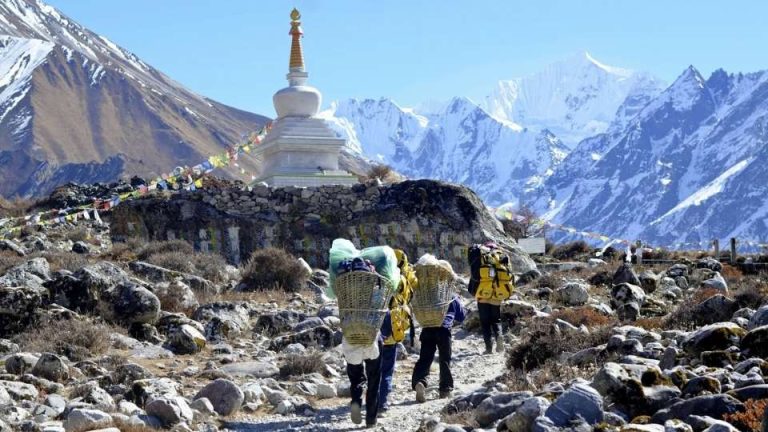
Can You Trek Langtang in 5 Days? Risks and Fitness Demands
Experienced hikers complete the Langtang Valley Trek in exactly 5 days to experience the high Himalayas without a multi-week commitment. Unlike the Everest Base Camp Trek, which demands at least 12 days, this compressed Langtang route offers a faster path to 4,000-meter peaks and authentic Tamang villages. However, reducing the standard 7-day itinerary introduces serious altitude risks and intense physical strain on steep descents. This guide details the exact daily route, altitude milestones, and cardiovascular requirements—so you can safely evaluate if a fast-track Langtang schedule matches your fitness level.
The Short Answer: Is a 5-Day Langtang Trek Possible?
Experienced trekkers can successfully complete the Langtang Valley Trek in 5 days. This fast-track itinerary compresses the traditional 8-day route into a rigorous schedule, requiring hikers to cover roughly 65 kilometers (40 miles) while walking 6 to 8 hours daily. Compared to the Everest Base Camp Trek which demands at least 12 days to reach comparable altitudes safely Langtang offers a high-Himalayan experience in a fraction of the time.
Who Should Attempt a Fast-Track Itinerary?
Endurance athletes and experienced high-altitude hikers possess the cardiovascular stamina required for this compressed schedule. Fit travelers operating on strict, sub-one-week vacation schedules also frequently choose this 5-day option to maximize their time in Nepal.
Who Should Stick to the Standard 8 Day Trek?
Novice hikers, families, and individuals previously affected by Acute Mountain Sickness (AMS) must follow the standard 7-to-8-day itinerary. The traditional schedule includes dedicated acclimatization days, which reduce altitude risks and minimize joint fatigue during steep descents.
Table of Contents
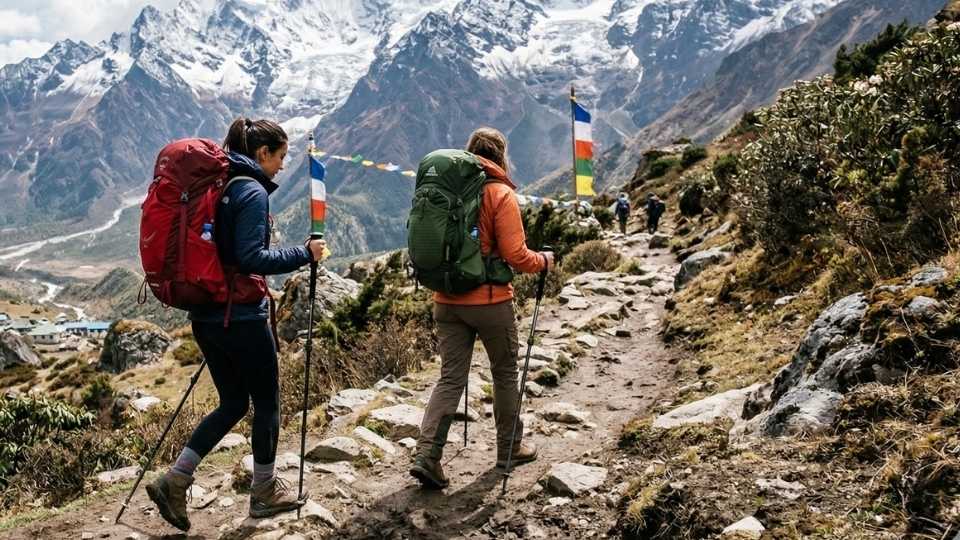
The Ultimate 5-Day Langtang Valley Itinerary (Fast-Paced)
Day 1: Drive from Kathmandu to Syabrubesi and Trek to Bamboo
- Action: Depart Kathmandu at 6:00 AM via private jeep to reach Syabrubesi (1,503m) by early afternoon.
- Trek: Hike 3 hours from Syabrubesi alongside the Langtang Khola river to reach the village of Bamboo (1,970m).
- Outcome: Breaking up the initial ascent on day one prevents leg stiffness following the 7-hour jeep ride.
Day 2: Trek Bamboo to Langtang Village
- Action: Ascend steeply through dense rhododendron forests, passing through Lama Hotel and Ghodatabela.
- Trek: Hike 6 to 7 hours to reach Langtang Village (3,430m).
- Outcome: Trekkers cross the 3,000-meter altitude threshold, requiring close monitoring for early AMS symptoms.
Day 3: Trek Langtang Village to Kyanjin Gompa & Exploring Kyanjin Ri
- Action: Complete a shorter 3-hour morning hike to Kyanjin Gompa (3,870m), the highest overnight settlement on the route.
- Trek: Spend the afternoon summiting Kyanjin Ri (4,773m) for panoramic views of Langtang Lirung, then descend back to the village.
- Outcome: Climbing Kyanjin Ri satisfies the “climb high, sleep low” acclimatization principle while delivering the trek’s most dramatic glacier views.
Day 4: Trek Kyanjin Gompa back to Lama Hotel (The Long Descent)
- Action: Retrace the route down the valley, dropping nearly 1,400 meters in elevation.
- Trek: Hike 7 to 8 hours downhill to reach Lama Hotel (2,470m).
- Outcome: This sustained descent severely tests knee stability and requires trekking poles to prevent joint strain.
Day 5: Trek Lama Hotel to Syabrubesi and Drive back to Kathmandu
- Action: Hike 4 to 5 hours from Lama Hotel back to the trailhead at Syabrubesi.
- Trek: Board a pre-arranged private jeep by 1:00 PM for the return journey to Kathmandu.
- Outcome: Upon arrival in Syabrubesi, trekkers can focus on wellness and physical recovery before the drive, ensuring a comfortable return to the city by evening.
The Risks of a 5-day Trekking Schedule
Altitude Sickness (AMS) and Lack of Acclimatization
Rapidly ascending to 3,870 meters at Kyanjin Gompa in just two and a half days drastically increases the risk of Acute Mountain Sickness. Skipping the standard acclimatization day in Langtang Village prevents the body from adapting to lower oxygen levels, leading to headaches, nausea, and severe fatigue.
Physical Exhaustion and Joint Strain
The 5-day timeline forces trekkers to combine multiple traditional hiking segments into single days. Descending from Kyanjin Gompa to Lama Hotel in one continuous push places immense eccentric strain on the quadriceps and knee ligaments.
Weather Delays and Lack of Buffer Days
Himalayan weather systems shift unpredictably, causing sudden snowstorms or heavy monsoon rains. A 5-day itinerary contains zero buffer days, meaning a single afternoon of bad weather can force trekkers to miss their return flights from Kathmandu.
The Rewards: Why Attempt Langtang in 5 Days?
Time-Efficiency for Busy Travelers
Corporate professionals and short-term tourists use this fast-track route to experience deep Himalayan culture without committing to a multi-week expedition.
A Challenging Physical Test
For seasoned athletes, the compressed timeline transforms a moderate scenic hike into an intense endurance challenge.
Experiencing High Himalayas on a Short Schedule
Unlike lower-elevation short routes like the Ghorepani Poon Hill trek, the 5-day Langtang itinerary places hikers directly beneath 7,000-meter glacier peaks.
Fitness Demands and Preparation
Cardiovascular Endurance for Steep Climbs
Trekkers must sustain an elevated heart rate for 6 to 8 hours daily. Prepare by running, cycling, or using a stair-climber machine for 60 to 90 minutes, four days a week, starting two months before departure.
Strength Training for Long Descents
The massive elevation drops require robust lower-body strength. Incorporate weighted lunges, squats, and step-downs into your training regimen to build the muscular armor necessary for the Day 4 descent to Lama Hotel.
Mental Toughness and Stamina Strategies
Hiking through physical fatigue at high altitudes tests mental resilience. Practice hiking long distances in uncomfortable weather conditions prior to your trip to build psychological stamina.
Essential Gear for a Fast-Paced Trek
Packing Light to Move Quickly
Carry a backpack weighing no more than 8 kilograms (17 lbs)—so you can move quickly and preserve energy on steep ascents. Utilize a minimalist gear strategy featuring merino wool base layers and an ultralight down jacket.
Footwear and Joint Support Essentials
Worn-in, rigid-sole trekking boots prevent foot fatigue over rocky terrain. High-quality carbon fiber trekking poles are mandatory equipment to absorb impact on the knees during the 1,400-meter descent.
5 Days vs. 7 Days: Which Langtang Itinerary is Right for You?
A Quick Comparison
- 5-Day Trek: Demands elite fitness, carries a high AMS risk, and maximizes time efficiency.
- 7-Day Trek: Accommodates average fitness levels, prioritizes safe acclimatization, and allows time to engage with the local Tamang culture.
Final Verdict: Should You Rush the Valley of Glaciers?
Attempt the 5-day Langtang trek only if you possess excellent cardiovascular fitness, prior high-altitude experience, and a strict time limit. Otherwise, protect your health and enhance your enjoyment by choosing the standard 8-day itinerary.