Bathroom Facilities on the Langtang Trek
Bathroom facilities are a primary, yet rarely discussed, concern when planning the trek into the Himalaya. The accommodation in Langtang Valley includes both well-facilitated and standard teahouses. This means you need to adjust your expectations based on the kind of teahouse you choose while trekking. In well-facilitated lodges, most toilets are Western style; however, in standard teahouses, you will likely encounter squat toilets. Additionally, the hygiene of the facilities depends on whether the toilet is communal or private (attached), the time of day, and the environmental temperature.
Here is exactly what to expect regarding toilets, sanitation, and hygiene while trekking through the Langtang Valley.
Table of Contents
Types of Toilets on the Langtang Trail
Western-style commodes can occasionally be found in newly rebuilt teahouses and certain villages in Langtang (Kyanjin Gompa, Langtang Village, Sherpagaon), but they typically lack working plumbing and require a manual “bucket flush.” Meanwhile, traditional squat toilets are the universal standard across the trek, particularly in older lodges.
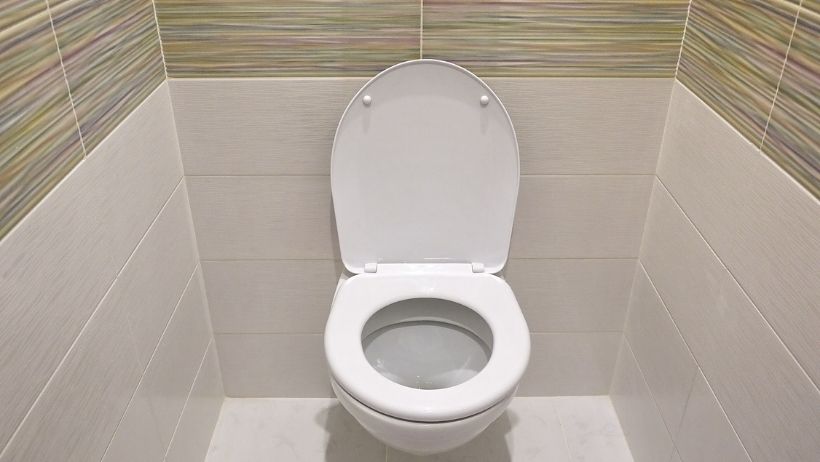
Western-Style Toilets (Commmodes)
- Where to find them: Syabrubesi, and occasionally in newly rebuilt teahouses in Langtang Village, Sherpagaon, and Kyanjin Gompa.
- The Reality: Even if a teahouse has a porcelain Western toilet, do not expect a working flush handle. Most operate on a “bucket flush” system. A large drum of water will be stationed next to the toilet with a small jug; you simply pour water into the bowl to manually flush the waste.
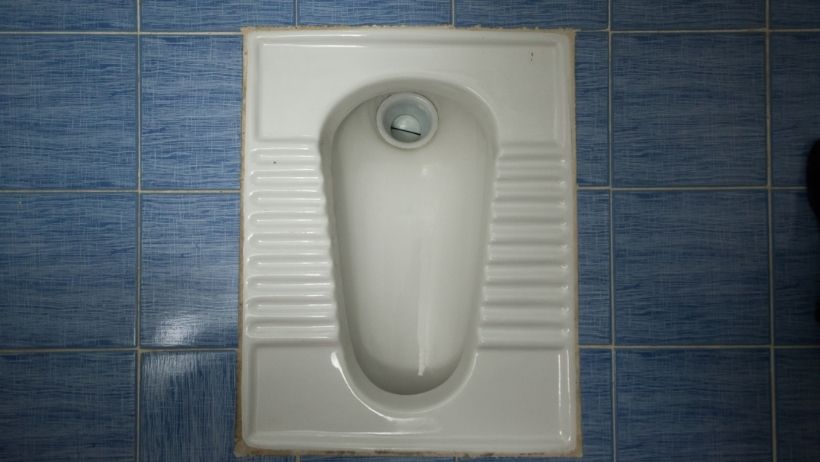
Traditional Squat Toilets
- Where to find them: These are the universal standard across the trek, particularly in older teahouses, remote stops like Lama Hotel or Thangsyap, and public facilities along the trail.
- The Reality: A ceramic or concrete basin set into the floor with foot treads. While intimidating to uninitiated trekkers, squat toilets are highly hygienic as there is no skin contact with a seat. These also operate via the bucket flush method.
How Clean are the Toilets in Langtang? (A Reality Check)
The “Peak Hour” Factor
In most teahouses, bathrooms are cleaned thoroughly every morning before trekkers depart.
- Arrival (2:00 PM – 4:00 PM): Toilets are generally at their cleanest.
- Evening (8:00 PM onwards): After dozens of trekkers have used a single shared facility, cleanliness can decline. Since most bathrooms are “wet” (no dry floor), they can get muddy from trekking boots.
Squat vs. Sit: The Hygiene Paradox
Many Western trekkers are wary of squat toilets, but in a communal mountain setting, they are often more hygienic.
- Squat Toilets: There is no skin-to-surface contact, which reduces the risk of picking up bacteria in shared facilities. Most are made of porcelain or smooth concrete, making them easy for teahouse staff to wash down with a hose.
- Western Toilets: While more comfortable, the seats in shared teahouse bathrooms are rarely “sanitized” between users. If you prefer sit-down toilets, carrying toilet seat sanitizer spray is a smart move.
Regional Hygiene Differences
- Syabrubesi & Lama Hotel: These areas have more “lodge-style” accommodations. You can often find private, attached bathrooms that are very clean and similar to what you’d find in a budget hotel in Kathmandu.
- Langtang Village & Kyanjin Gompa: Facilities here have been rebuilt with modern plumbing. While mostly shared, they are far superior to the “wooden shacks over a hole” found in more remote trekking regions like Dolpo or Kanchenjunga.
Common Issues to Watch For
- The “Wet Floor” Syndrome: Most toilets also serve as the washroom area. The floors are almost always wet. Never enter the bathroom in just your socks; always wear your trekking sandals or boots.
- Smell: High-altitude plumbing often lacks complex venting. While the toilet itself may be scrubbed clean, a “mountain musk” is common.
- Frozen Pipes: In the late autumn or winter, the “flush” water in the bucket may freeze. If the toilet isn’t flushing, it’s usually due to ice, not neglect.
Teahouse Bathroom Facilities: What to Expect
Shared vs. Attached Bathrooms
The vast majority of teahouses on the Langtang trek feature shared bathrooms. Usually, there are one or two toilet stalls per floor, or in a separate outbuilding in the courtyard. “Attached bathrooms” (private en-suites) are rare, though a few well-facilitated lodges in Kyanjin Gompa, Langtang Village, Thangshyap, Sherpagaon, and Syabrubesi may offer them.
Temperature and Freezing Pipes
As you approach Kyanjin Gompa (3,830m), nighttime temperatures frequently drop below freezing, especially in the late autumn and winter months.
- Frozen Flush Water: The drums of water kept inside the toilet cubicles will often freeze solid overnight.
- The Solution: Use the bathroom before turning in for the night, and expect to wait for the morning sun to thaw the water, or ask the teahouse host for a jug of warm water to flush.
Nighttime Navigation
Because bathrooms are often down the hall or outside, a reliable headlamp is essential. Teahouse in Nepal hallways are rarely lit after the dining room fire dies down.
Showering and Hot Water on the Langtang Trek
Hot water is a luxury that depends on the sun and altitude.
- Solar/Gas Showers: Available in most major stops (Syabrubesi, Lama Hotel, Kyanjin Gompa) for an extra fee of $2 to $5 (NPR 300–600).
- Bucket Washes: If the solar panels haven’t caught enough sun, you may be offered a bucket of hot water and a mug.
- The “Altitude Rule”: Many trekkers skip full showers once they pass 3,000m to avoid catching a chill. High-quality wet wipes become your best friend here.
The Trekker’s Bathroom Survival Kit
Teahouses do not provide toilet paper, soap, or towels. You must be completely self-sufficient.
- Toilet Paper: Pack 2-3 rolls. Pro-tip: Remove the cardboard core and crush the roll flat so it fits easily into a ziplock bag in your daypack.
- Hand Sanitizer: The single most important hygiene item. Water from teahouse taps is often freezing cold and lacks soap.
- Biodegradable Wet Wipes: Essential for “trekker showers” and maintaining cleanliness when water is scarce.
- Dedicated Waste Bags: Carry small, opaque ziplock bags specifically for packing out your used toilet paper and sanitary products.
Hygiene Etiquette and Trail Guardianship
Maintaining the pristine environment of the Langtang National Park requires every trekker to adopt an active role in trail guardianship. Waste management is a critical issue in high-altitude environments where cold temperatures prevent natural decomposition.
- Never Put Paper in the Hole: High-altitude septic systems cannot process toilet paper. Every toilet stall will have a small waste bin next to it. All toilet paper must go in the bin, not the toilet.
- Pack Out Your Synthetics: Wet wipes and sanitary pads contain plastic and do not decompose. They must never be thrown into the toilet or the local burn bins. Seal them in a ziplock bag and carry them back to Kathmandu (incorporating a personal 1kg waste-removal pledge is a great way to handle this).