Thulo Syabru Village: Trekking Routes, History, Culture
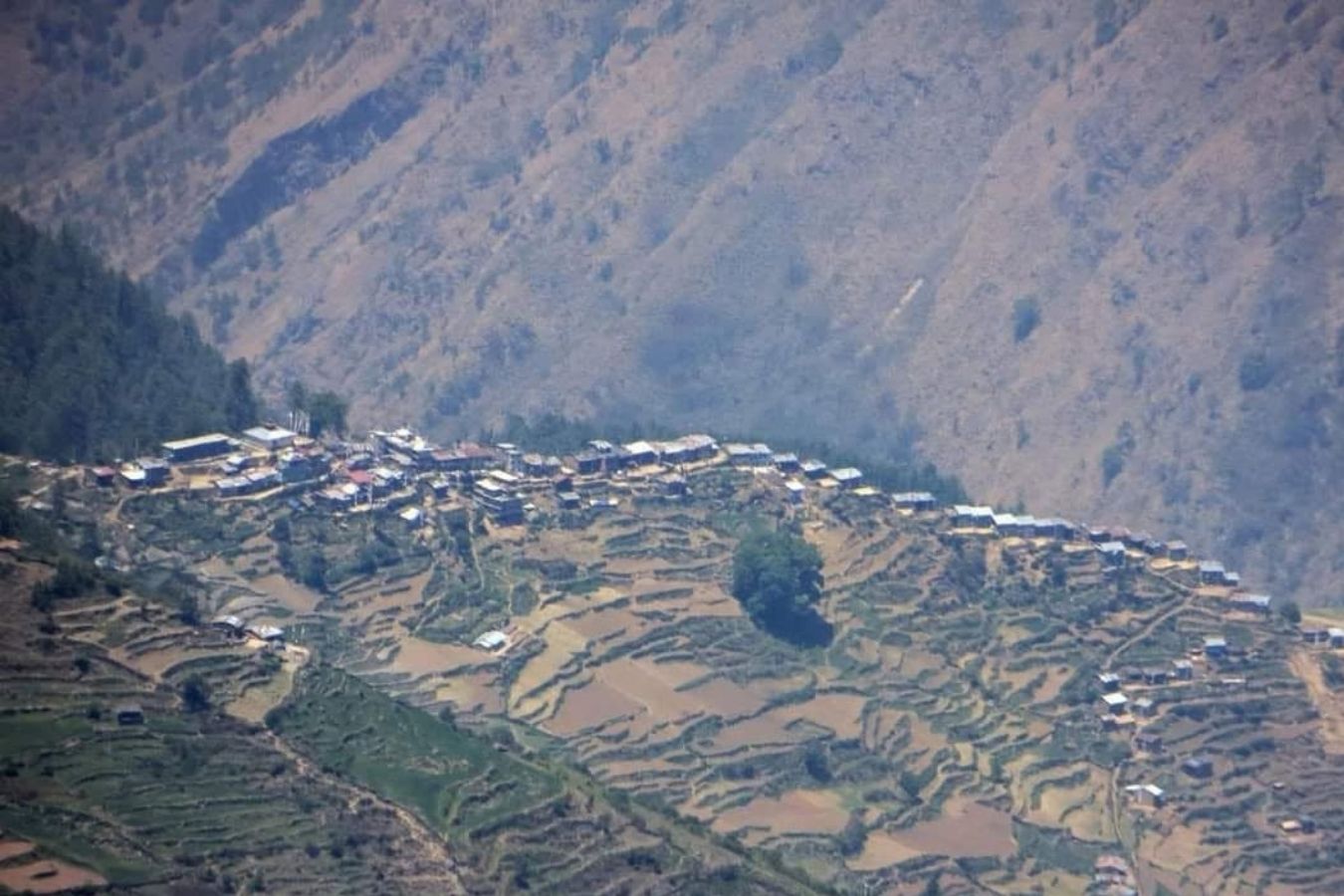
Thulo Syabru is one of the historical mountain villages in Langtang Valley and lies at an altitude of 2210 meters (7250 feet). It is also a part of Langtang National Park. This place has been historically connected to the Tamang communities of northern Nepal. The exact founding date or precise age of Thulo Syabru village is not documented in historical records, but it is an ancient traditional Tamang settlement that has existed for centuries. Therefore, this village is rich with culture and traditions.
| Elevation | 2,210 meters (7,250 feet) |
| District | Rasuwa District, Bagmati Province |
| Primary Ethnicity | Tamang |
| Primary Language | Tamang, Nepali |
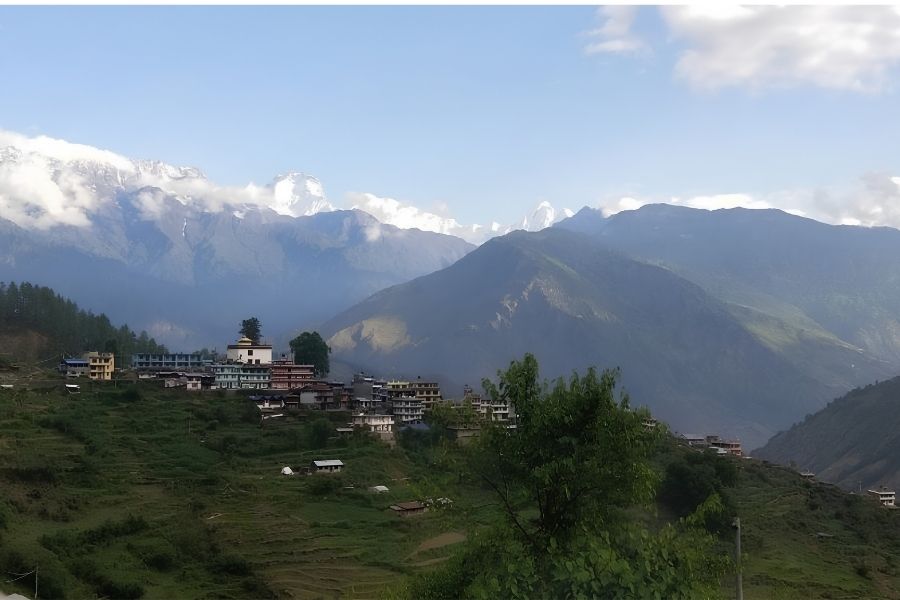
The village sits on a hillside above the Langtang River system and has long been connected with both the Langtang Valley and Gosaikunda trekking routes.
Previously, Thulo Syabru was used as an alternative route for Langtang valley trek. However, after the 26 August 2026 Bhotekoshi flood, Thulosyabru is the first-choice starting point for the Langtang trek.
For the current trekking situation, you cannot use Syabrubesi as your trek starting point. The village has been severely affected and the bridge connecting Syabrubesi to the main road is still under construction.
There is a direct road connection from Dhunche to Thulo Syabru, allowing trekkers to start the Langtang trekking area now from the Thulo Syabru village. The upper Langtang Valley trekking trail itself was not directly hit by the flood, while the main problem has been access through the damaged Syabrubesi corridor.
This makes Thulo Syabru particularly important for trekkers planning a Langtang Valley Trek while the normal Syabrubesi access route remains affected.
From Thulo Syabru, trekkers can:
- Continue toward Lama Hotel and Langtang Valley
- Climb toward Shin Gompa (Chandanbari)
- Continue toward Cholangpati and Gosaikunda
- Approach the village directly from Dhunche
- Connect different sections of the Langtang and Gosaikunda trekking routes
Thulo Syabru Weather
Thulo Syabru landscape is steep. Mountains rise sharply from the valleys, while the village itself occupies limited slopes and terraces. This is typical of settlements in the Langtang region, where flat land is scarce.
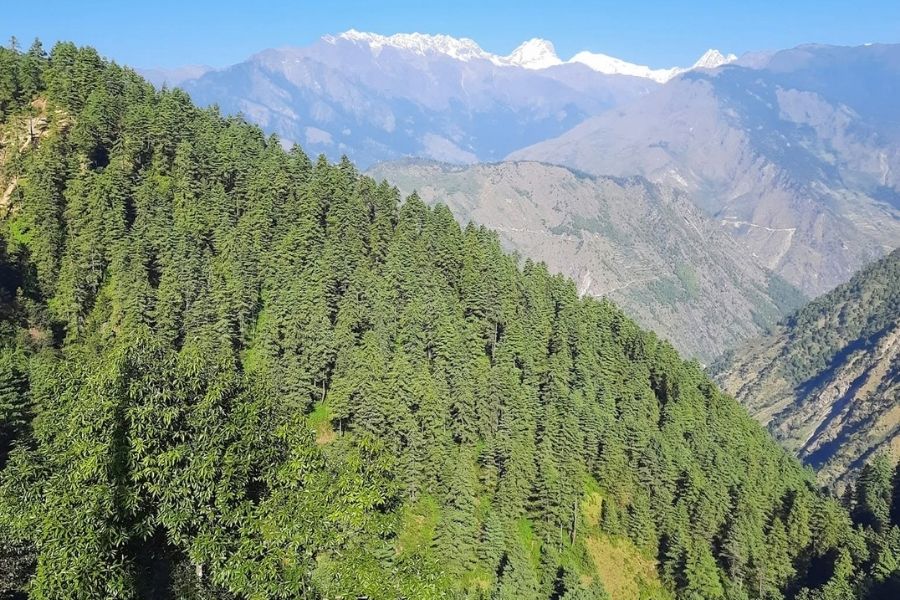
Weather changes with season and altitude. Autumn generally brings clearer mountain views, while spring is known for warmer conditions and rhododendron forests. Winter can be cold, especially in the mornings and evenings. During the monsoon, rain can make local roads and mountain trails more difficult.
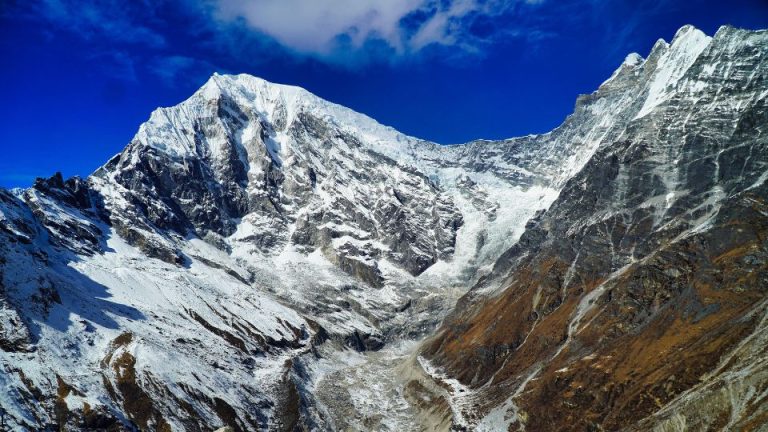
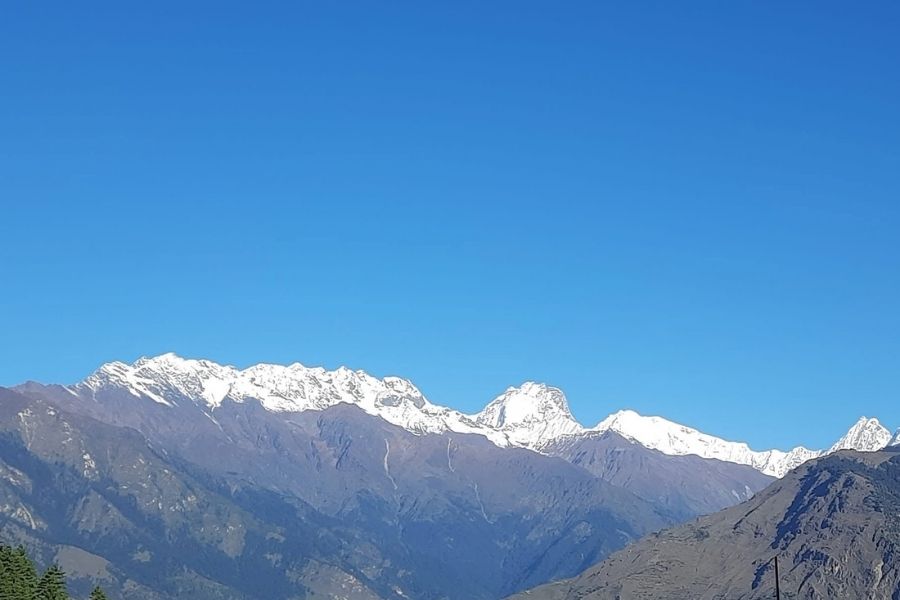
Views of Ganesh Himal and Langtang Lirung
Thulo Syabru is surrounded by some of the major mountain landscapes of central Nepal.
The Ganesh Himal range is particularly visible from the village and surrounding trails. As you climb toward Shin Gompa and higher ridges for the Gosaikunda trek, the views open toward the surrounding Himalayan ranges.
How to Reach Thulo Syabru: Direct Route and Accessibility
Thulo Syabru is about a 7-hour jeep drive from Kathmandu, depending on road and weather conditions. Before the 2026 flood, there were two main road options to reach Thulo Syabru from Kathmandu:
- Route 1: Kathmandu → Trishuli Bazaar → Dhunche → Syabrubesi → Thulo Syabru
- Route 2: Kathmandu → Trishuli Bazaar → Dhunche → Thulo Syabru
At present, Route 1 through Syabrubesi cannot be used because the 2026 flood damaged the road and infrastructure around Syabrubesi.
However, Route 2 is still usable, allowing travellers to reach Thulo Syabru directly from Dhunche without passing through Syabrubesi.
The road from Dhunche to Thulo Syabru is mostly narrow and off-road. It is not suitable for buses or normal low-clearance vehicles. A 4WD jeep is currently the practical option for reaching Thulo Syabru by road.
However, road conditions in Rasuwa should not be considered permanently stable. The 2026 flood damaged major road infrastructure, and some sections remain vulnerable to landslides, erosion and further flood damage. Heavy rainfall can quickly change road conditions, particularly during the monsoon.
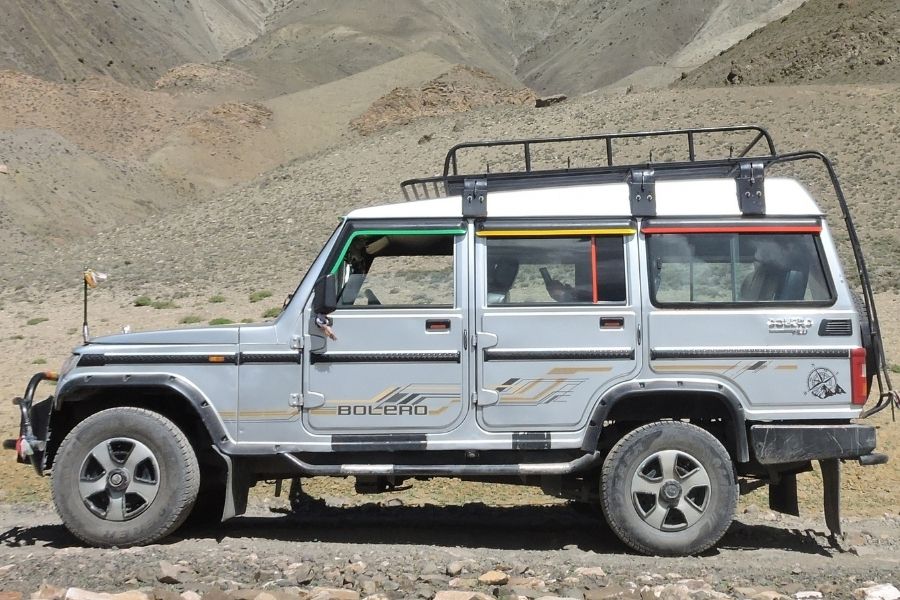
For this reason, travellers should confirm the latest road and jeep availability before travelling to Thulo Syabru. The route, travel time and vehicle requirements may change depending on weather, road repairs and local conditions.
Thulo Syabru Trekking Routes
Langtang Trek Route Connections via Thulo Syabru
Yes, the Langtang Trek can be started from the Thulo Syabru side. A practical route is Thulo Syabru → Bamboo → Rimche → Lama Hotel → Ghodatabela → Thangshyap → Langtang Village → Kyanjin Gompa. This route can also be seen in the map below.
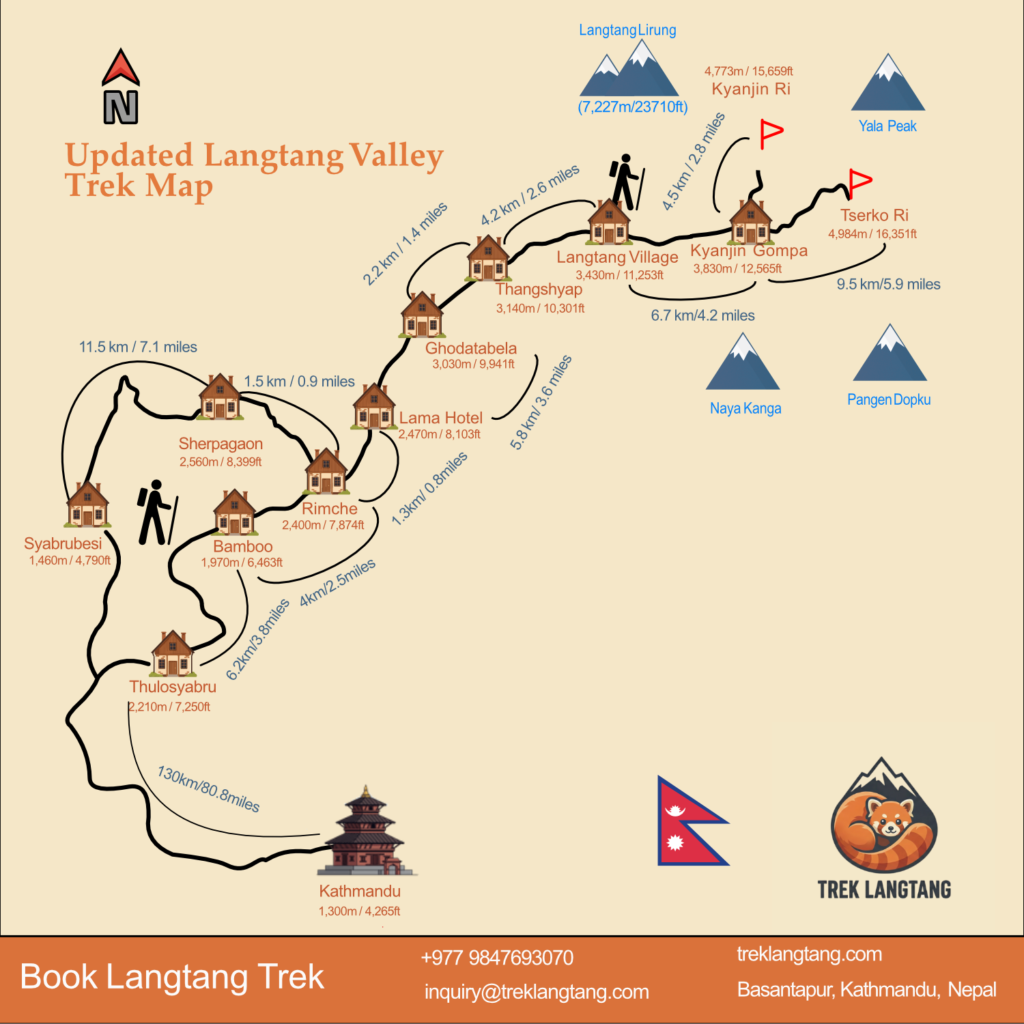
For more detailed Thulosyabru to Kyanjin Gompa route map including interactive map, you can check our Langtang Valley Trek map page.
From Lama Hotel onward, the route connects with the established Langtang Valley trail. The trail from Lama Hotel follows the Langtang Khola through forests and mountain settlements before continuing toward Langtang Village and Kyanjin Gompa.
Thulo Syabru to Shin Gompa, Cholangpati, and Gosaikunda
Thulo Syabru also provides direct access toward Gosaikunda via Shin Gompa. A typical route is Thulo Syabru → Shin Gompa → Cholangpati → Gosaikunda. This route can also be seen in the map below:
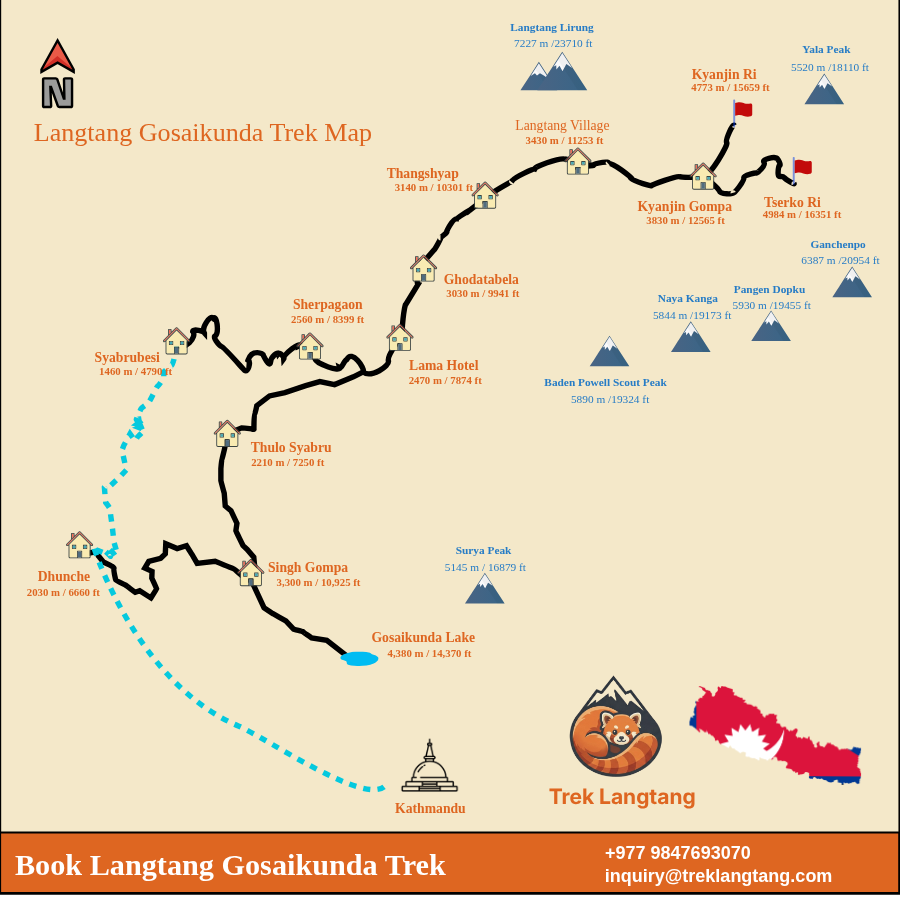
From Gosaikunda, trekkers can continue across Lauribina La toward Ghopte and the Helambu side.
This makes Thulo Syabru useful for several different itineraries:
- Langtang Valley Trek
- Gosaikunda Trek
- Langtang–Gosaikunda Trek
- Longer Langtang and Helambu combinations
The landscape changes significantly along the way. The lower section around Thulo Syabru is forested and settled, while the route above Cholangpati becomes more alpine and exposed.
Accommodation and Local Amenities in Thulo Syabru
Thulo Syabru has traditionally served trekkers, so accommodation and basic trekking services are available in the village. The accommodation is mainly based around teahouses, lodges and local guesthouses rather than large hotels.
Best Teahouses, Lodges, and Homestays in Thulo Syabru
You will find several small family-run lodges and teahouses in Thulo Syabru. Facilities vary between properties, but trekkers can generally expect:
- Private or shared rooms
- Shared bathrooms in many properties
- Hot meals
- Tea, coffee and other basic drinks
- Charging facilities, depending on electricity availability
- Basic Wi-Fi in some lodges
- Local food and traditional meals
- Rooms suitable for overnight trekking groups
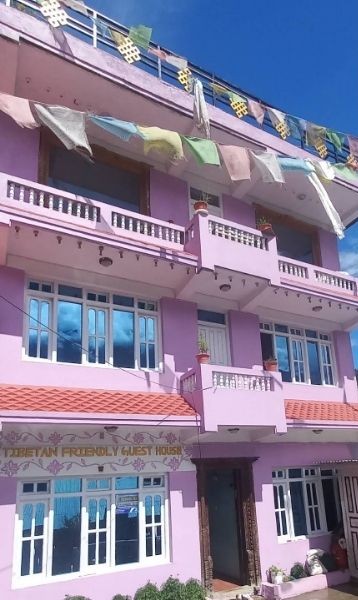
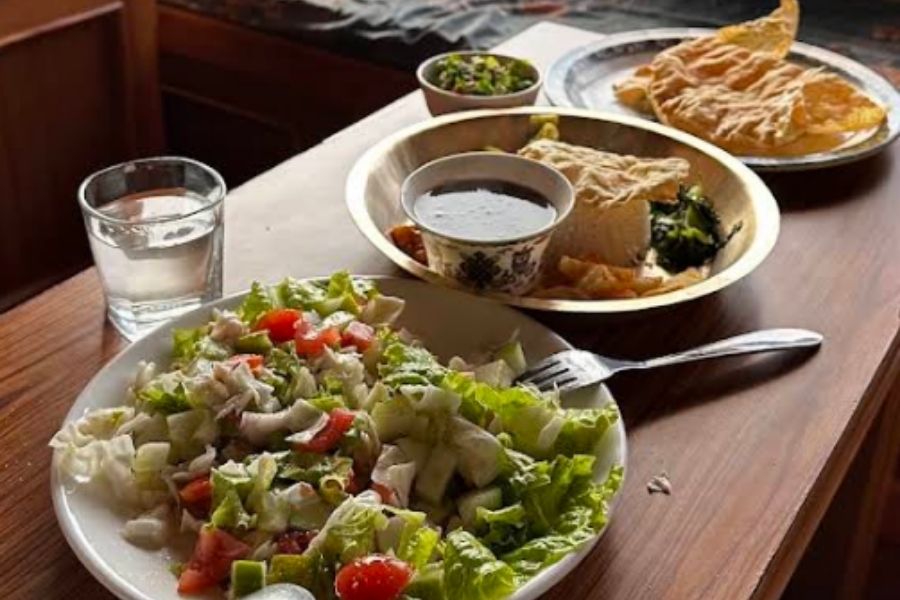
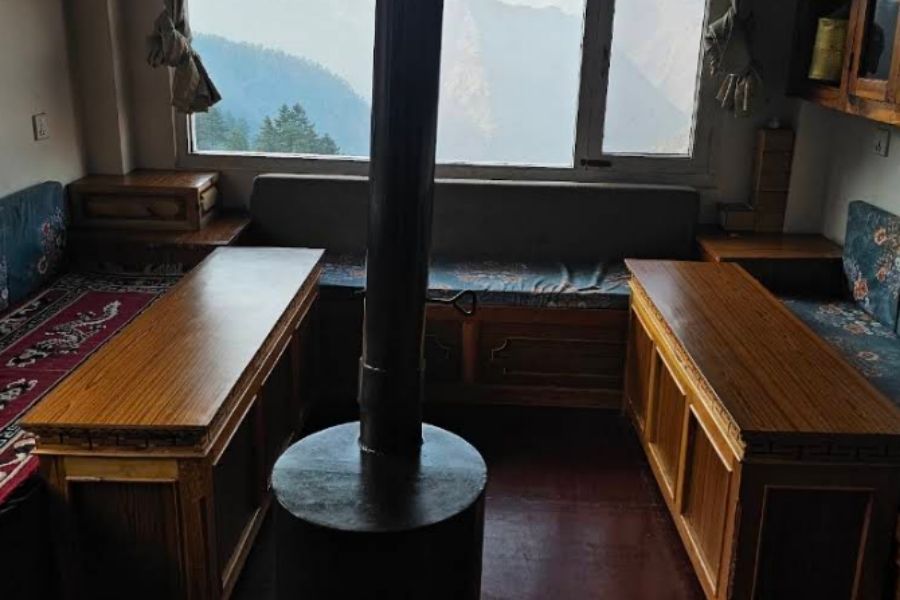
Because conditions in Rasuwa changed significantly after the 2026 flood, it is sensible to confirm accommodation before travelling rather than assuming every lodge is operating normally.
The village itself is also home to local families who depend on tourism and trekking. Staying overnight therefore contributes directly to the local economy. For groups, advance confirmation is particularly useful because accommodation capacity is much smaller than in Kathmandu or major tourist centres.
History of Thulo Syabru
The history of Thulo Syabru is closely connected with the history of the Tamang communities of northern Nepal. The wider Rasuwa area has long been a meeting point between the cultural influence of Tibet to the north and the communities of central Nepal to the south. Historical research describes the Syabru area as a cultural crossroads where Tibetan and Nepali influences met.
For generations, mountain communities in this region depended on the surrounding valleys, forests and high pastures. People farmed the land, raised animals and traded goods between different settlements. The northern position of Rasuwa also connected local communities with routes toward Tibet.
Before roads and modern transportation, these mountain trails were important for communication and trade. People moved between villages on foot, carrying food, livestock products and other goods. The difficult terrain meant that communities depended strongly on their neighbours and on local resources.
Thulo Syabru Culture and People
Tamang Culture in Thulo Syabru
Tamang culture is one of the most visible parts of life in Thulo Syabru. The culture is expressed through language, religion, festivals, music, dress, food, architecture and community life.
Tamang society has traditionally been closely connected with village communities and family networks. Religious and social events bring families together, while farming and other community activities often depend on cooperation between households.
For visitors, the culture is not limited to monuments or festivals. It can be seen in ordinary village life: people working in fields, caring for animals, preparing food, maintaining houses and welcoming visitors.
Buddhism and Religious Life
Religion has an important place in the daily life of Thulo Syabru. The local Tamang community has strong connections with Tibetan Buddhism, and Buddhist symbols are visible throughout the village.
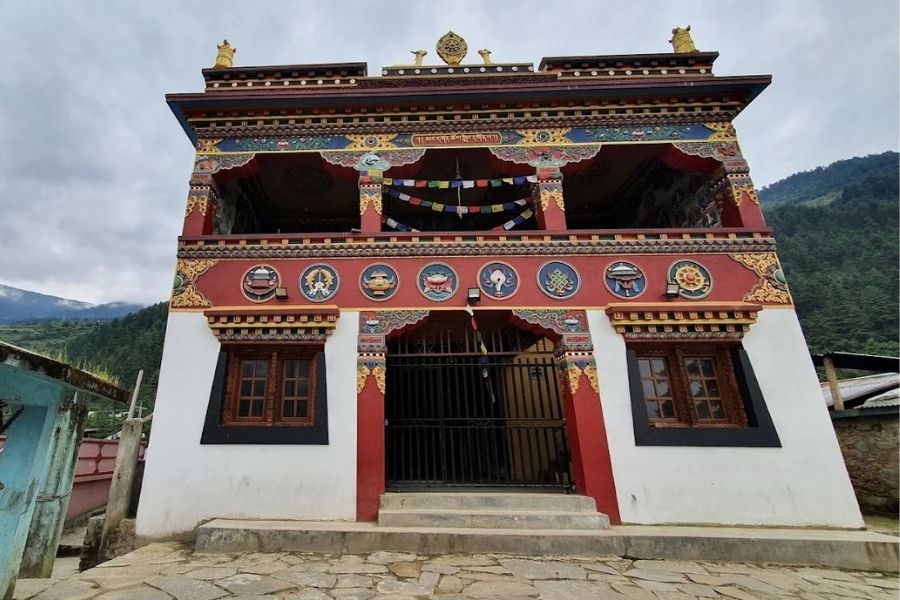
Prayer flags, prayer wheels, chortens, mani stones and monasteries form part of the cultural landscape. The village’s Buddhist traditions are also reflected in local ceremonies and festivals. Visitors may see people spinning prayer wheels, making offerings or visiting religious sites during their stay.
Festivals and Local Celebrations
Festivals in Thulo Syabru align with the lunar calendar and the agricultural cycle, serving as the primary vehicle for passing traditions to the younger generation.
- Sonam Lhosar: This is the most significant event, marking the Tamang New Year (usually in January or February). Families clean their homes, wear traditional Syama (woven skirts) and Wiba (hats), and gather to eat Alu Dum and specialized breads.
- Saga Dawa: This festival celebrates the birth, enlightenment, and parinirvana of Buddha. The community gathers at the Gompa for masked dances (Cham dances) that re-enact spiritual victories over demonic forces.
- Buddha Jayanti: Villagers participate in a collective procession, carrying heavy sacred texts from the monastery around the entire perimeter of the village to bless the crops and livestock.
Traditional Houses and Architecture
The traditional houses of Thulo Syabru reflect the local environment and the practical needs of mountain life.
Houses are traditionally built using materials available in the surrounding area, especially stone and wood. They are often built close together along the steep hillside. This compact settlement pattern makes better use of the limited level land and creates a strong sense of community.
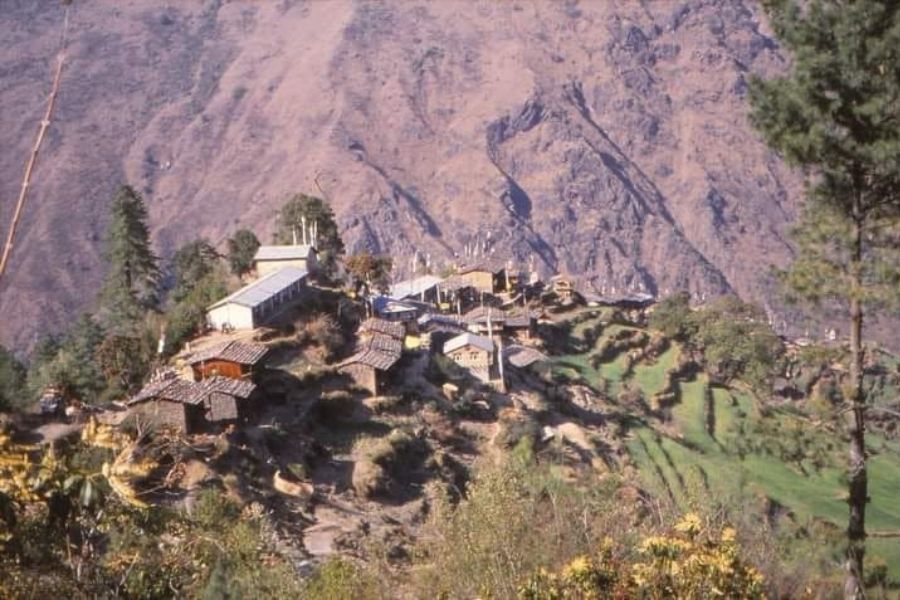
Traditional buildings also reflect the cold mountain climate. Thick walls, small openings and sturdy construction help protect homes from cold weather. Some older houses retain traditional wooden details around doors and windows.
Today, many buildings have changed because of modern construction materials and tourism. Concrete walls, metal roofs and modern facilities are now common. Even so, traditional architecture houses and monuments are still available in Thulo Syabru.
People and Traditional Way of Life in Thulo Syabru
The people of Thulo Syabru are primarily Tamang and their life in Thulo Syabru has been shaped by three things: the land, the seasons and the community.
The steep mountain landscape limits the amount of land available for farming. Families therefore use terraces on the hillsides. Crops grown in the wider area include potatoes, maize, millet, wheat and vegetables. Livestock such as cattle, goats and chickens have also traditionally formed part of rural household life.
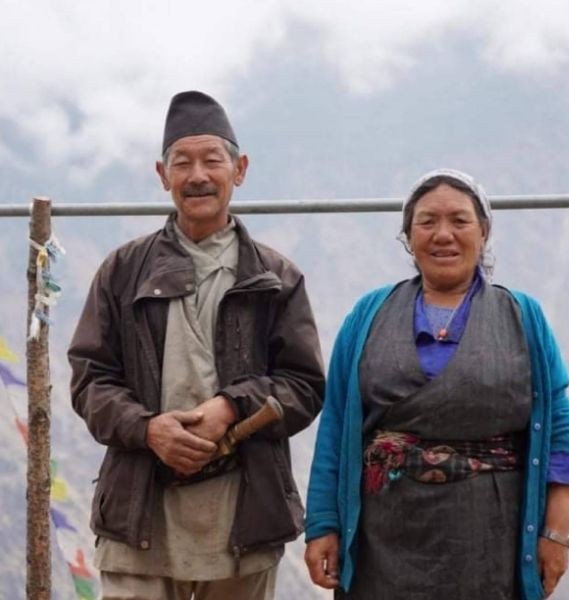
Farm work follows the seasons. During planting and harvesting periods, families spend more time working in the fields. Livestock also requires regular care, while stored food and agricultural products help households manage the winter months. Community relationships are important in Thulo Syabru. Mountain villages depend on cooperation because many activities are difficult for one household to manage alone.
The traditional way of life in Thulosyabru is therefore closely connected with the natural environment and community. Water, forests, farmland and pasture are important resources for the community.
Today, the local economy is more diverse. Farming continues, while tourism, small shops, transport, guiding, portering and other services provide additional income. This has changed the economic life of the village. A family may now combine farming with running a teahouse or
Young People and Changing Village Life
Like many rural mountain communities in Nepal, Thulo Syabru is also experiencing social and economic change. Education, tourism, employment opportunities and migration have created new choices for younger people. Some leave the village for Kathmandu or other cities, while others work overseas. This has reduced the number of young people involved in traditional farming.
At the same time, tourism provides an opportunity for some young people to remain connected with the village through trekking, hospitality and other local businesses. This means the traditional way of life is not simply disappearing. It is changing as families combine old practices with new sources of income and education.
Thulo Syabru Today
Modern Thulo Syabru is a mixture of traditional culture and changing mountain life. Stone houses and prayer flags stand alongside modern lodges. Farmers continue to work on terraces while other residents run teahouses, shops and tourism businesses. Buddhist traditions remain important, while younger generations have greater access to education, technology and employment outside the village.
The village has therefore not remained frozen in the past. Its culture continues to adapt to new economic and social conditions. What remains strong is the relationship between the Tamang people, their land, Buddhist traditions and community life.
Final Words on Thulo syabru
Thulo Syabru is more than a stop on the Langtang and Gosaikunda trekking routes. It is a historic Tamang village where mountain landscapes, Buddhist traditions and local community life remain closely connected. Its location also makes it an important access point for trekkers, especially while the normal Syabrubesi route remains affected by the 2026 flood.
For trekkers, Thulo Syabru offers access to both Langtang Valley and Gosaikunda, along with an opportunity to experience life in a traditional Himalayan village. Staying in a local teahouse, walking through the village and observing daily life can add a cultural side to the trek that is difficult to experience on the main trail alone.
At the same time, Thulo Syabru is a living community, not a place preserved in the past. Farming, tourism, education, migration and modern infrastructure are gradually changing the village. Yet Tamang culture, Buddhist traditions, community relationships and the connection with the surrounding land continue to shape everyday life.
If you are planning to travel to Thulo Syabru or start a Langtang trek from the village, check the latest road, weather and trail conditions before departure. Conditions in the Rasuwa region can change quickly, particularly after heavy rainfall. With the right preparation, Thulo Syabru can be both a practical starting point for the Langtang region and a meaningful place to experience the culture and way of life of the Himalayan communities.