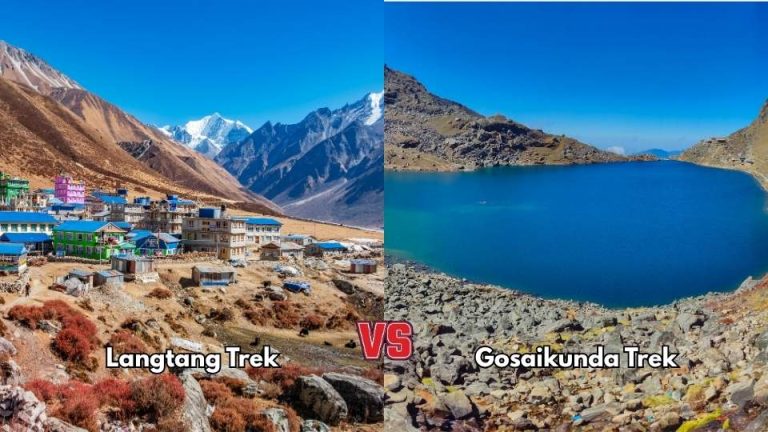
Latest Langtang Trek Update After Flood: Weather, Trail, and Road Conditions
Latest update: October 20, 2026
Langtang Valley Trek Advisory
Yes, the Langtang Valley Trek is currently possible from the Thulosyabru side. Thulosyabru is an alternative starting and ending point for the Langtang Valley Trek. It is located at a higher altitude than Syabrubesi and was not directly affected by the recent Bhotekoshi flood.
The road sections damaged by the flood have now been rebuilt, and the route from Kathmandu to Thulosyabru is currently open.
If you want to visit the Langtang region at the moment, you can use Thulosyabru as your trek starting point. From Thulosyabru, you can start trekking toward Lama Hotel, continue through Langtang Village to Kyanjin Gompa, and then return to Thulosyabru before driving back to Kathmandu. The trekking trail is currently in good condition. The trail should become more accessible once the current period of heavy rainfall settles.
Recommended New route: Kathmandu → Trishuli Bazaar → Betrawati → Dhunche → Thulosyabru → Langtang Valley (Lama Hotel, Thangshyap, Kyanjin Gompa). Status: Open
Old route: Kathmandu → Trishuli Bazaar → Betrawati → Dhunche → Syabrubesi → Langtang Valley (Lama Hotel, Thangshyap, Kyanjin Gompa). Status: Still closed
A private Jeep is currently required for the Kathmandu–Thulosyabru drive. Regular buses do not currently drive directly to Thulosyabru on this route.
The traditional route using Syabrubesi and/or Sherpagaon should therefore not currently be used as the starting route for the Langtang Valley Trek. The road beyond Dhunche toward Syabrubesi and Sherpagaon remains disrupted following the recent flood damage.
Is Langtang Trek Open After the Flood? Real-Time Status
Current Trail Status and Flood Impact
- Langtang Valley trekking: possible with route change to Thulosyabru.
- Thulosyabru access: possible by Jeep under current local conditions.
- Syabrubesi road access: still disrupted.
- Kyanjin Gompa: Yes, it is possible to reach Kyanjin Gompa from the Thulosyabru route.
The August 26, 2026 flood caused major damage along the Bhotekoshi and Trishuli River corridors and particularly affected the road and infrastructure around Syabrubesi. The roads, bridges and parts of the settlement around Syabrubesi were damaged, cutting the normal road connection into the Langtang area.
However, the flood damage to the road network should not be confused with the condition of the entire Langtang Valley trekking trail. The Langtang Valley trekking trail has not been affected by the flood. Only the driving route and the previous starting and the ending point: Syabrubesi were affected.
Now, the damaged drive route up to Dhunche has been reconstructed and the drive route has been changed from Syabrubesi to Thulosyabru, yes it is possible to do Langtang Valley trek.
Road Conditions and Transportation Access (2026 Update)
Alternative Route via Thulosyabru by Jeep
The current practical alternative is to drive from Kathmandu to Thulosyabru by private Jeep.
This is an important difference from the normal Langtang itinerary. Regular buses do not currently provide the same access to Thulosyabru. The alternative access is mainly suitable for a Jeep or another capable four-wheel-drive vehicle because road conditions can be rough and can change after rainfall.
The current route can be organized approximately as:
Kathmandu → Thulosyabru by Jeep → Lama Hotel → Langtang Village → Kyanjin Gompa → return to Thulosyabru → Kathmandu by Jeep
This route also avoids making Syabrubesi the starting point of the trek. For trekkers planning a trip during the remaining monsoon period, I would strongly recommend confirming the drive road before leaving Kathmandu. This is especially important after rainfall because recently reconstructed road sections can be blocked again.
Kathmandu to Syabrubesi Road Status and Highway Blockages
Under normal conditions, Syabrubesi is the traditional roadhead for the Langtang Valley Trek. The normal Kathmandu to Syabrubesi journey follows the northern road corridor through Nuwakot and Rasuwa, with the Pasang Lhamu Highway providing the main road connection toward the Langtang region.
That normal arrangement has changed after the flood.
The road around Syabrubesi was heavily affected by the August 26 disaster, and the direct road corridor was damaged and under reconstruction.
So, if you are planning a Langtang trek right now, do not simply book a normal bus from Kathmandu to Syabrubesi and assume that it will operate.
The traditional route may become available again as reconstruction progresses, but the present situation is different from a normal trekking season.
Langtang Valley Updated Trek Itinerary and Trail Conditions
The alternative trek follows the established Langtang Valley walking route after driving to Thulosyabru. A practical outline is:
Day 1: Kathmandu → Thulosyabru by Jeep
Instead of driving to Syabrubesi, you travel by Jeep to Thulosyabru and stay there or begin the walking section according to the current road and trail situation.
Day 2: Thulosyabru → Lama Hotel
The trail enters the forested Langtang landscape and gradually connects with the route toward Lama Hotel.
Day 3: Lama Hotel → Ghodatabela → Langtang Village
From Lama Hotel, the trail follows the Langtang Khola through forest and increasingly open mountain scenery. Ghodatabela is an important stop before continuing toward Langtang Village.
Day 4: Langtang Village → Kyanjin Gompa
The landscape becomes more alpine as you move higher into the valley. Kyanjin Gompa is the main destination of the Langtang Valley Trek and the base for exploring the upper valley. Nepal Tourism Board also highlights Kyanjin as an extension point for exploring the higher Langtang landscape.
Day 5: Kyanjin Gompa exploration
Depending on weather, trekkers can explore the area around Kyanjin Ri or Tserko Ri. These viewpoints provide some of the most impressive views toward Langtang Lirung and the surrounding mountains.
Return: Kyanjin Gompa → Lama Hotel → Thulosyabru
The return generally follows the same valley trail, with the final road journey from Thulosyabru back toward Kathmandu by Jeep. The exact number of walking days can be adjusted according to the group's pace, weather and current trail conditions.
Teahouse and Accommodation Openings in Langtang Valley
Accommodation is available along the Thulosyabru to Kyanjin Gompa route. Most of the accommodations from Thulosybaru to Kyanjin Gompa are open and welcoming.
Lama Hotel, Langtang Village and Kyanjin Gompa are the main accommodation points relevant to this route. During the quieter monsoon period, some properties may operate with fewer rooms or limited services.
Langtang Weather Forecast: October 20–30, 2026
Langtang will stay mostly clear and dry from October 20 to 30. Expect sunny days, cold nights, and only a small chance of afternoon showers in the first few days. This is excellent trekking weather.
Temperatures by Altitude
Temperatures change a lot as you climb.
- Syabrubesi (1,460 m): Warm days of 23–32°C and mild nights of 11–16°C.
- Thulo Syabru (2,210 m): Pleasant days of 16–21°C and cool nights of 9–12°C.
- Langtang Village (3,430 m): Cool days of 4–10°C and nights between -4°C and 1°C.
- Kyanjin Gompa (3,830 m): Days of 7–9°C and nights close to freezing, from -1°C to 2°C.
October 20–23: Sunny with a Few Afternoon Showers
Mornings will be clear across the valley. Clouds may build after midday and bring a light shower, mainly near Langtang Village on October 20 and around Syabrubesi on October 21 and 23. Try to finish your walk by early afternoon.
October 24–28: The Clearest Days
This is the best window for mountain views and side hikes to Kyanjin Ri or Tserko Ri. Rain chances drop close to zero, and Kyanjin Gompa gets 8 to 11 hours of sunshine a day. Syabrubesi turns unusually warm, reaching about 32°C from October 26 to 28. Nights near Langtang Village get colder at the same time, dropping to around -4°C.
October 29–30: More Clouds
Clouds increase from October 29. Weather models show a 25–40% chance of light snow on peaks above 6,000 m, but confidence in this forecast is low. Check the latest update before any high climb.
What to Pack
The sun is strong at Kyanjin Gompa, with a UV index of 10, and wind gusts can reach about 30 km/h. Carry sunscreen, sunglasses, a down jacket, and a sleeping bag rated to -10°C.